Key Findings
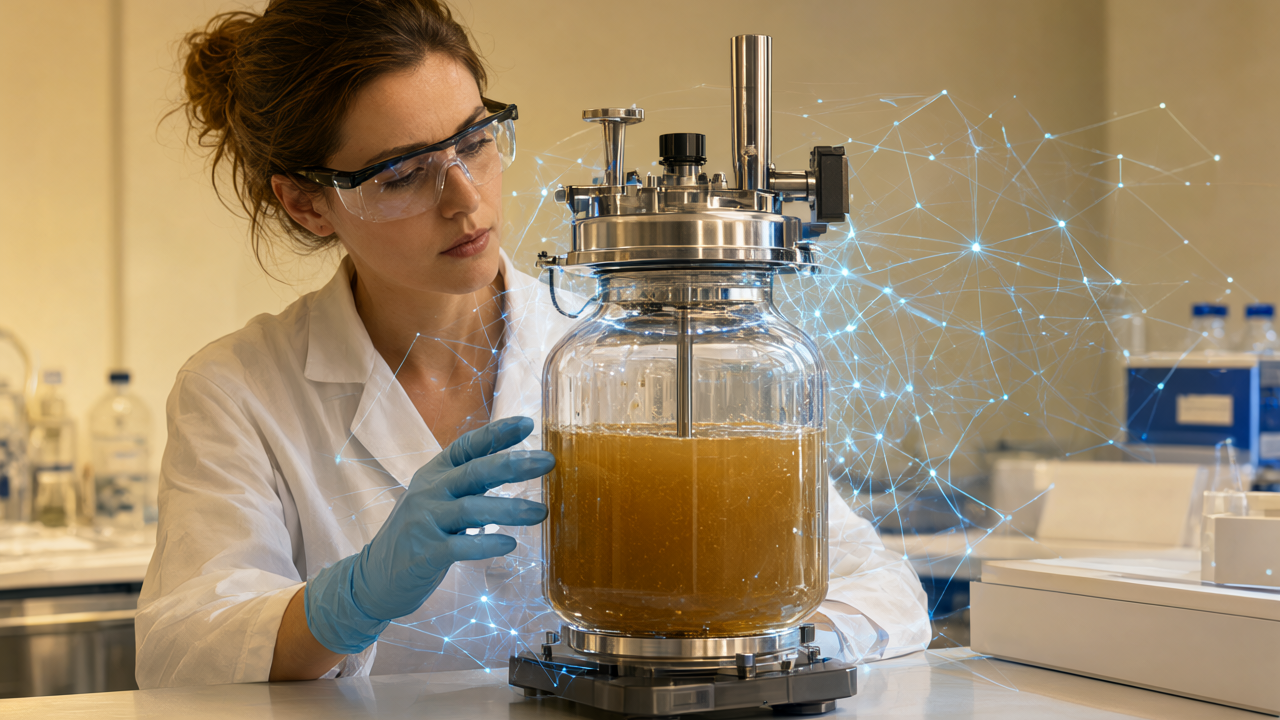
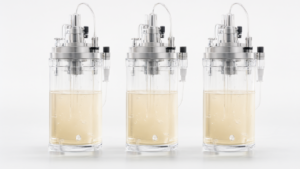
Iowa State University (ISU) and Novonesis, in a collaboration funded by BioMADE, have developed AI-controlled bioreactors that dramatically enhance the efficiency and consistency of enzyme production through an integrated machine learning framework. This new technology facilitates real-time monitoring and optimization of bioprocess parameters, leading to improved product quality and expedited market entry.
Technical / Clinical Details
The AI-powered bioreactors, a result of the BioMADE-funded project, continuously collect diverse bioprocess parameters—such as pH, dissolved oxygen, temperature, nutrient concentrations, and cell density—during fermentation. These data are then analyzed by machine learning algorithms that predict optimal production conditions and automatically adjust bioreactor settings. This framework significantly boosts batch-to-batch consistency and maximizes production efficiency. Specifically, it allows for early detection of process anomalies and enables prompt corrective actions, contributing to waste reduction and improved cost-effectiveness. For major enzyme producers like Novonesis, this technology is critical for stringent quality control and stabilizing production yields, with wide-ranging applications expected in pharmaceuticals, food, and biofuels industries.
Background & Context
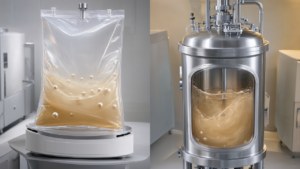
Traditional bioreactor systems often relied on periodic human monitoring and manual adjustments, making process optimization time-consuming and expertise-intensive. Furthermore, batch-to-batch variability presented a significant challenge, impacting product quality and cost. The rapid advancements in AI and machine learning are now recognized as having the potential to revolutionize the biomanufacturing sector. AI can analyze vast datasets in complex biological processes, identifying patterns and performing predictive control at levels beyond human capability. In this context, the joint development by ISU and Novonesis represents a crucial milestone towards the autonomous operation of bioprocesses.
Strategic Significance & Outlook
The research teams at ISU and Novonesis are committed to further developing this AI-controlled bioreactor technology, aiming for systems with even higher levels of autonomy, and are actively forging partnerships with private sector companies. The widespread adoption of this technology could revolutionize the manufacturing of a broad spectrum of biologics, including enzymes, antibody drugs, vaccines, and cell and gene therapy products. In the future, entire biomanufacturing facilities could be highly optimized by AI, leading to faster, more affordable, and sustainable production. This is expected to accelerate the market introduction of new bioproducts and drive innovation across the healthcare, food, and energy sectors.
Get our weekly technology intelligence — free
Receive an infographic that lets you judge at a glance whether each field’s analysis report is worth reading.
Subscribe Free — Weekly Tech Intelligence
By subscribing, you’ll receive Troy-Technical’s weekly technology intelligence newsletter.
- Your email and selected fields are used only to deliver the newsletter.
- We never share your information with third parties.
- You can unsubscribe anytime via the link in each email.
See our Privacy Policy for details.
Takes about a minute · Unsubscribe anytime



Comments