Key Findings
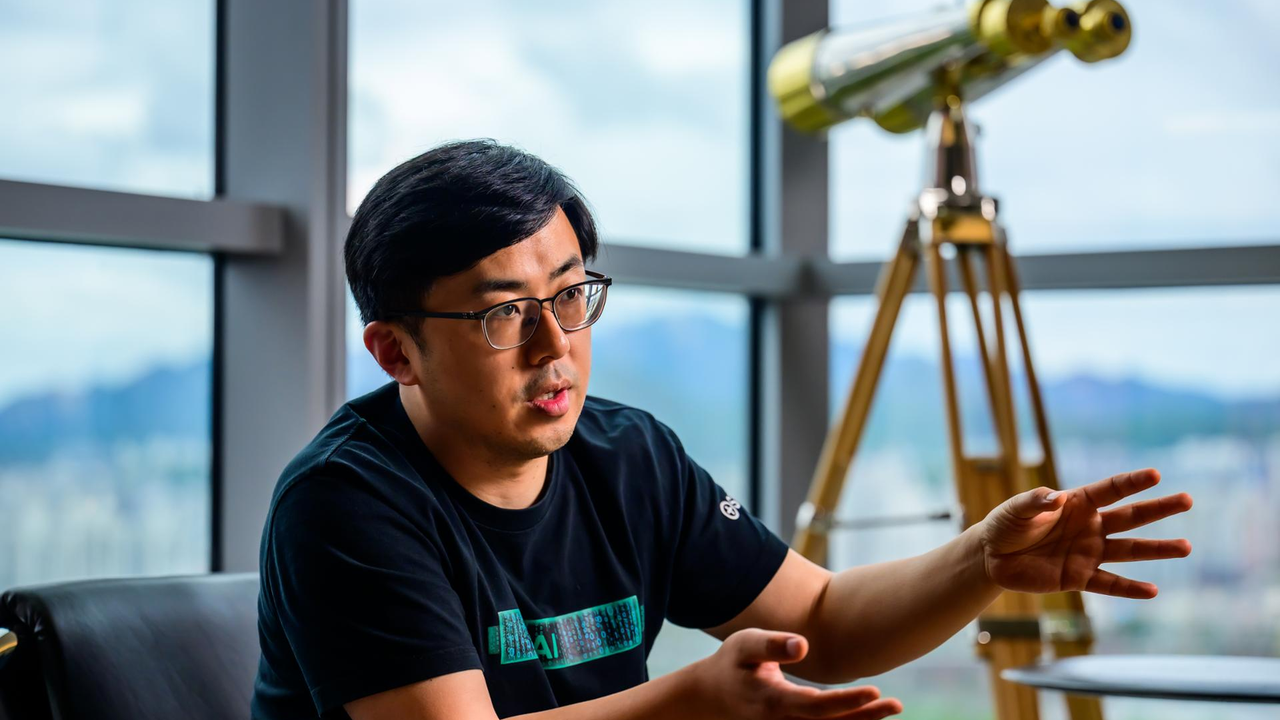
The Korea Times, a leading South Korean media outlet, has reported that SES AI, a Boston-based battery technology company, is intensifying its ‘vibe research’—an AI-driven approach for battery material discovery—to meet the escalating demand from the robotics sector. The company’s ‘Molecular Universe’ platform is touted for its potential to drastically shorten battery development cycles from traditional years to mere weeks.
Technical / Clinical Details
SES AI’s ‘vibe research’ is a proprietary AI-driven platform designed to streamline the complex material exploration process. Central to this platform is a system called ‘Molecular Universe,’ which allows researchers to ‘guide’ and ‘tune’ the discovery of battery materials with desired properties through intuitive and simple prompts. Conventional battery material development is a time-consuming and costly process, involving manual or empirical searches for optimal chemical compositions and structural combinations from a vast number of possibilities. However, ‘Molecular Universe’ enables a closed-loop process where AI models learn from existing data, generate and evaluate new material candidates, and then propose the next steps for exploration based on these results. This allows battery manufacturers to much more rapidly screen and develop new materials, specifically tailored for ‘high-capacity cells’ required by humanoid robots. The AI predicts a wide range of performance metrics, including material stability, energy density, lifespan, and safety, focusing on the most promising candidates for experimental validation, thereby minimizing wasted development resources.
Background & Context
The proliferation of electric vehicles (EVs), increased demand for stationary energy storage, and the recent emergence of humanoid robots have led to an explosive demand for high-performance battery materials. Humanoid robots, in particular, require extremely high-capacity and safe batteries to support their complex movements and extended operational periods. However, existing battery technologies often struggle to meet these demanding requirements. In this context, AI-driven material discovery is positioned as one of the most promising approaches to achieve breakthroughs in next-generation battery technology. SES AI’s efforts aim to address these rapidly evolving market needs and establish a competitive edge in the battery industry.
Strategic Significance & Outlook
SES AI’s ‘vibe research’ platform is expected to significantly improve the efficiency of battery material development, particularly accelerating the commercialization of high-capacity batteries for robotics. Moving forward, SES AI is anticipated to further enhance the accuracy and versatility of its AI models, exploring materials that can meet more diverse application needs. This technology will not only push the performance limits of batteries but also contribute to reducing development costs and shortening time-to-market, playing an indispensable role in advancing sustainable energy solutions and next-generation robotic technologies. The coverage by Korean media indicates high interest in the company’s technology within the Asian market as well.