TECHNOLOGY EXPLAINER
Cell Therapy for Diabetes
— making the cells is no longer the hard part; immunity and where to put them remain
Cell therapy for type 1 diabetes has widened from donor pancreatic islets (approved by the FDA in 2023) to stem cell-derived islet cells, devices that wrap cells in a membrane, and gene-edited cells. In an analysis of 12 patients given the stem cell-derived product zimislecel, 10 were using no insulin injections at one year. One attempt to avoid immunosuppression by wrapping cells in a membrane (VX-264), by contrast, was stopped in 2025 for insufficient efficacy. This article sorts out the field primary source by primary source, from three angles: cells, immunity and devices.
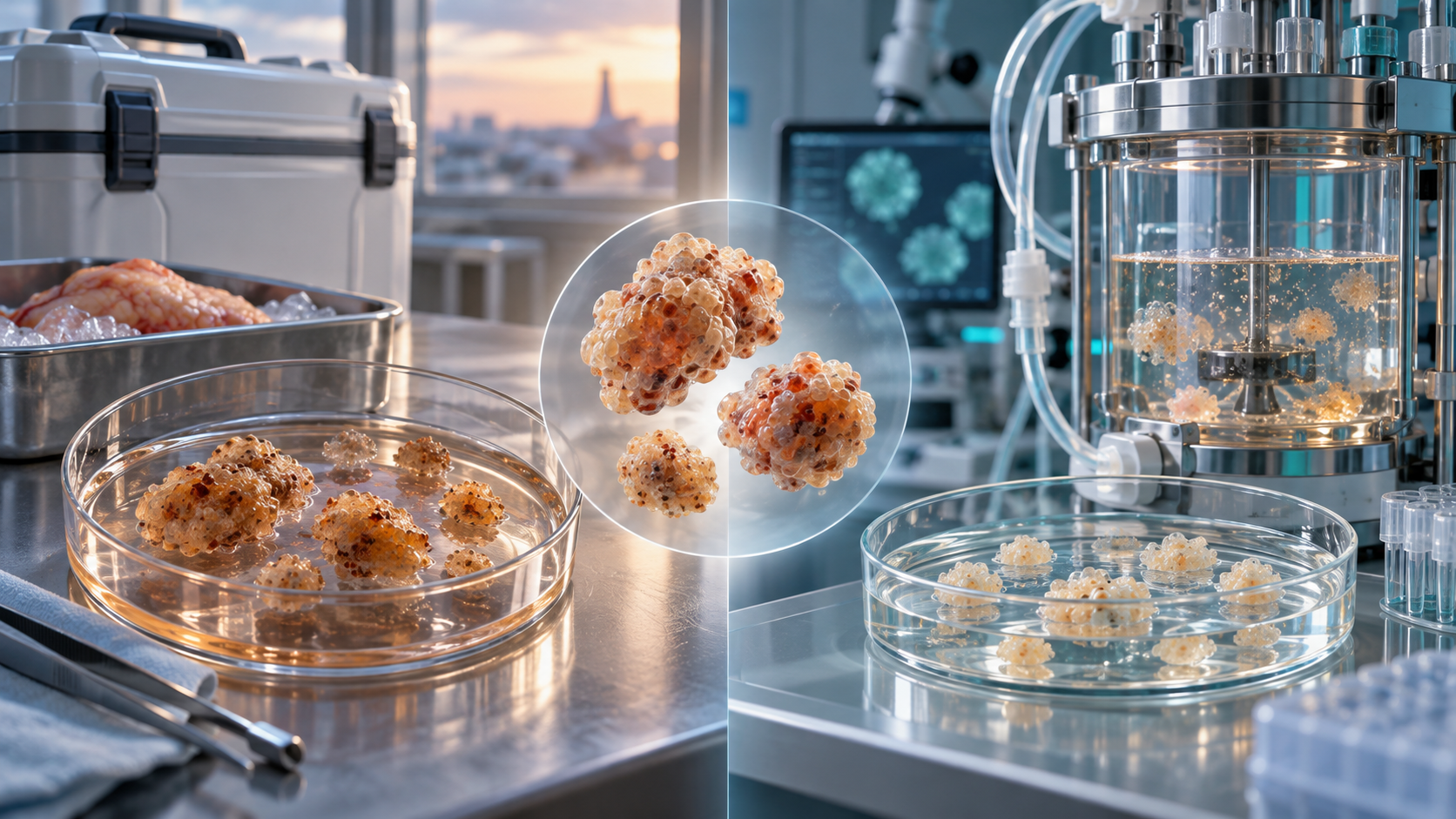
- Type 1 diabetes and cell therapy (the short version)
- What an islet is — a cluster of hormone-secreting cells
- Transplanting donor islets — history, and the approved product LANTIDRA
- A materials engineer's view (1): what “a 400 mL bag, 15 to 25 °C, 6 hours” means
- Stem cell-derived islet cells — zimislecel and OZTx-410
- How to handle immunity — suppress it, avoid it, or edit it
- A materials engineer's view (2): cell-wrapping devices and the foreign body response
- Milestones and open questions
- Glossary / Primary sources / Claim-to-source audit
Sourced = content stated in published material, papers or regulatory documents (link given)
Our calculation = a figure this article derived from stated assumptions
Not yet confirmed = a plan, a product in development or a result not yet available, with no confirmed track record
Readings from the standpoint of materials and process are marked separately as Commentary.
This article is a technical explainer from the standpoint of manufacturing, materials and regulation. It does not recommend any treatment, does not rank products or treatments by efficacy, and is not medical advice. Clinical trial figures are quoted only as stated in the papers and regulatory documents, together with the trial name, population and time point. For the treatment and testing of diabetes, always consult your own physician.
1. Type 1 diabetes and cell therapy (the short version)
Cell therapy for type 1 diabetes is a treatment that replaces the lost insulin-secreting cells (beta cells) from outside.
- The disease: a review by Desai and Shea describes type 1 diabetes as an autoimmune disease in which the immune system attacks and destroys the insulin-producing islet cells of the pancreasSourced
- The idea: an MHLW document positions islet transplantation as replacement therapy for pancreatic beta cells, the insulin-secreting cells, and says it is handled as regenerative medicine in JapanSourced
- Two barriers: the same review says that what holds back wider use of islet transplantation is the shortage of donors and the need for lifelong immunosuppressionSourced
Making the cells has moved forward, but protecting the cells you have made from immunity and keeping them in the body has still not been solved. The package insert for the approved LANTIDRA presupposes the use of immunosuppression and says it must be continuedSourced. In the trial of the stem cell-derived zimislecel, too, every patient received glucocorticoid-free immunosuppressionSourced. VX-264, which tried to remove the need for immunosuppression by wrapping cells in a membrane, was stopped in 2025 for insufficient efficacySourced. The next focus in this field is less “which cells” than “how to handle immunity” and “where to put them” (our commentary).
2. What an islet is — a cluster of hormone-secreting cells
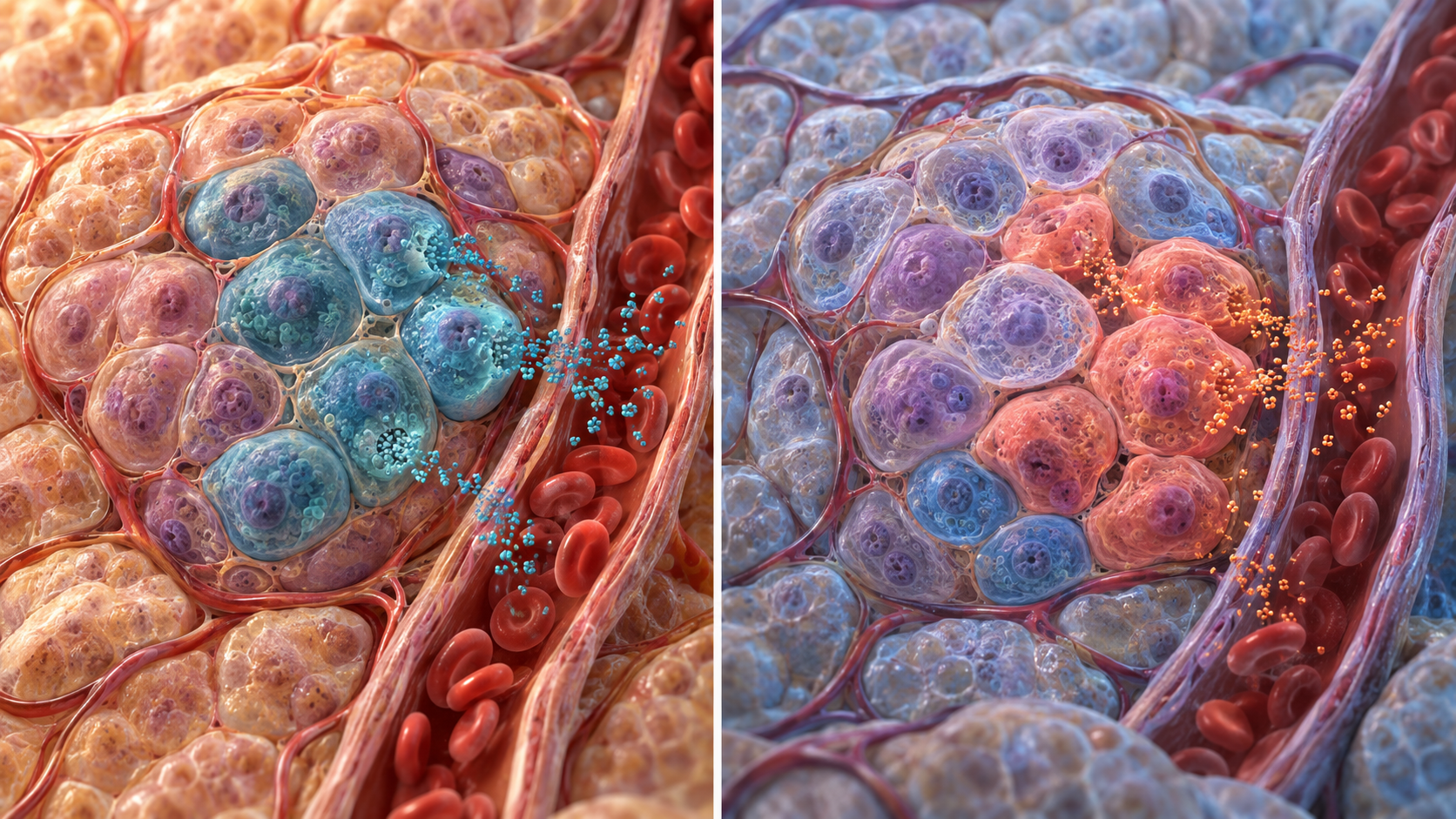
The LANTIDRA package insert lists the endocrine cells in the islets of Langerhans as beta, alpha, PP, delta and epsilon cells, and explains that, in response to blood glucose, they release insulin, glucagon, somatostatin, pancreatic polypeptide and ghrelinSourced. Insulin is said to promote the uptake of glucose in peripheral tissues, and glucagon to act in the direction of releasing glucose from the liver into the bloodSourced.
An important point for the design of cell therapy can be read from this (our commentary). Blood glucose is regulated not by a single beta cell but by a cluster of cells that sense the rise and fall of glucose and release several hormones accordingly. Transplanted cells are required not merely to release insulin but to vary how much they release with blood glucose.
Show the detailed vector diagram and its source notes
3. Transplanting donor islets — history, and the approved product LANTIDRA
(1) The Edmonton report and the Phase 3 trial
A 2000 NEJM paper reported islet transplants, under glucocorticoid-free immunosuppression (sirolimus, tacrolimus and daclizumab), in seven consecutive patients with type 1 diabetes who had severe hypoglycaemia and unstable blood glucose. According to the paper, all seven achieved insulin independence (median follow-up 11.9 months), the mean islet mass was 11,547 ± 1,604 IEQ per kg of body weight, and every patient needed islets from two donor pancreases. The islets were transplanted into the portal vein of the liver by a percutaneous transhepatic approachSourced. The authors note that earlier registry data showed only 8% were insulin-free at one yearSourced.
A 2016 Diabetes Care paper reported a single-arm Phase 3 trial of a standardised islet product in 48 adults at 8 North American centres whose severe hypoglycaemia persisted despite drug therapy. The primary endpoint (HbA1c below 7.0% and no severe hypoglycaemia) was met by 87.5% at one year and 71% at two years. On the other hand, bleeding requiring transfusion occurred in 5 patients (5 of 75 procedures), immunosuppression-related infection in 2, and a fall in kidney function (GFR) under immunosuppression was seenSourced.
(2) LANTIDRA (donislecel)
On 28 June 2023 the FDA approved LANTIDRA (donislecel-jujn) from CellTrans Inc.Sourced. The package insert describes it as an “allogeneic pancreatic islet cellular therapy” for adults with type 1 diabetes who, despite intensive diabetes management and education, have repeated severe hypoglycaemia and cannot get close to their target HbA1c, and says it is used together with immunosuppressionSourced.
| Item | Package insert (summary) |
|---|---|
| Product | A suspension of allogeneic islets from a donor pancreas (containing beta, alpha, PP, delta and epsilon cells), in a buffered transplant medium with HEPES (10 mM) and human serum albumin (0.5%) added |
| Administration | Hepatic portal vein only. A 5 or 6 Fr angiographic catheter (length 65 cm or less, inner diameter 0.97 mm or more) is used. The estimated tissue volume per infusion is 10 cc or less |
| Dose | The recommended minimum dose is 5,000 EIN per kg of body weight for the first infusion and 4,500 EIN/kg for a repeat infusion |
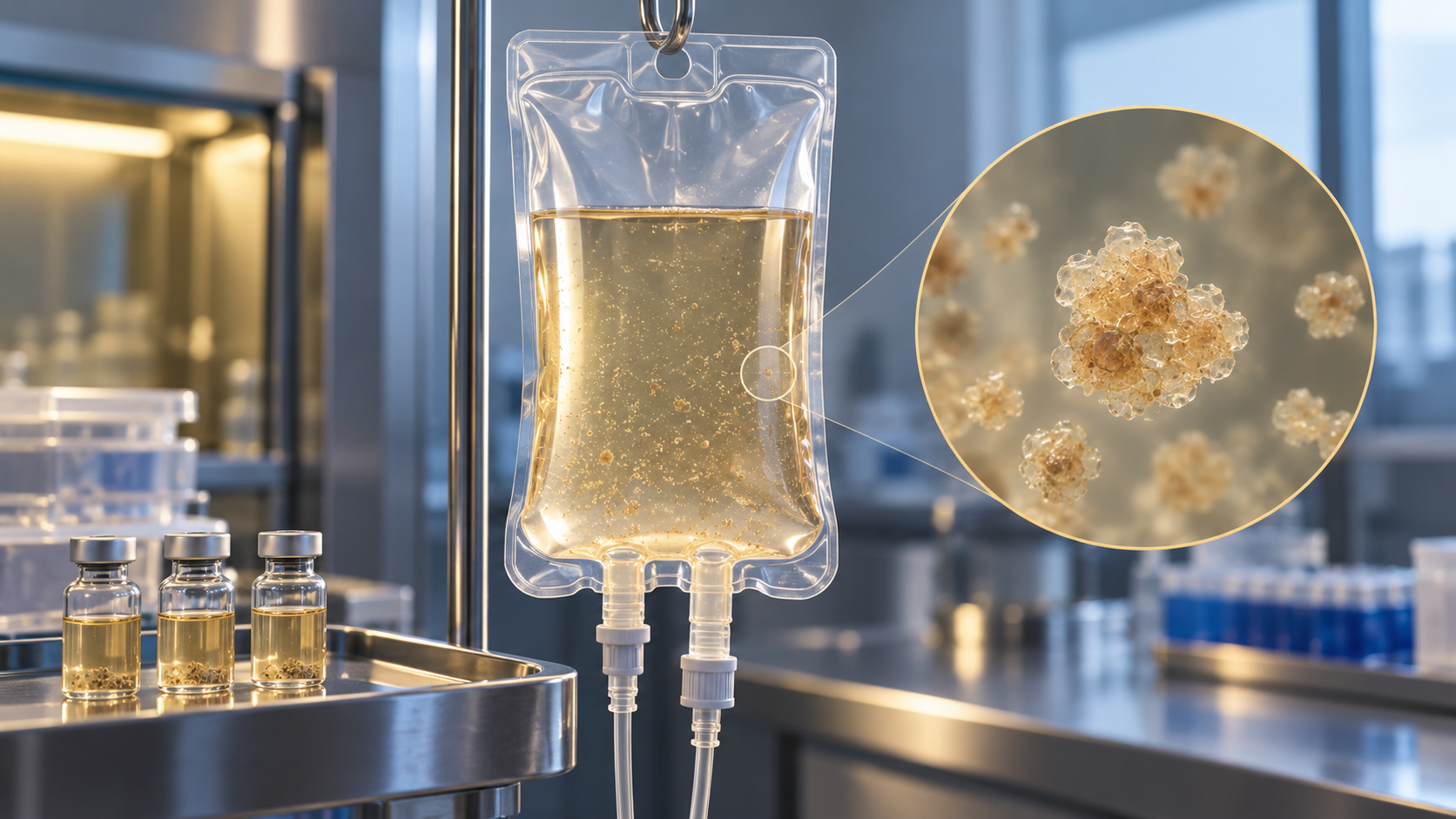
| Presentation | Up to 1×10⁶ EIN in one bag (400 mL filled into a 1,000 mL bag). Connected by a sterile connector to a wash bag (200 mL) |
| Storage and expiry | In an insulated container at 15 to 25 °C, within 6 hours of product release. Do not use a leukocyte-depleting filter. Do not irradiate |
| Clinical trials | Two trials (open-label, single-arm), 30 patients in total. One to three infusions (one infusion in 11 patients, two in 12, three in 7). Median islets per infusion 399,178 EIN. Of the 30, 25 achieved insulin independence at least once, and 5 had no insulin-independent days |
| Main safety findings | 90% had one or more serious adverse reactions. Procedure-related (liver laceration, haematoma, bleeding, intra-abdominal haemorrhage) 13%, increased portal pressure 7%. Related to immunosuppression: infection 87%, malignancy 37% |
| Immunosuppression | Must be continued. Contraindicated in patients for whom immunosuppression is contraindicated. There is no basis for use in patients with liver disease, kidney failure or after a kidney transplant |
All Sourced (FDA package insert [Reference 4], FDA product page [Reference 5]). EIN is the unit for the number of islets (equivalent islet number). The trial figures come from open-label, single-arm trials and cannot be used to compare products or trials.
In Japan, allogeneic islet transplantation has been covered by health insurance since fiscal 2020 (as Class I regenerative medicine)Sourced (MHLW committee document [Reference 10]). The same document also points to the limited number of donors and to the need for immunosuppressants for the rest of the patient's life after transplantation to prevent rejection, with donor shortage in particular as a problemSourced.
Show the detailed vector diagram and its source notes
From the package insert figures, we check how bag size relates to doseOur calculation.
- Minimum dose (first): 5,000 EIN/kg × 70 kg = 350,000 EIN. That is 35% of the one-bag limit (1×10⁶ EIN)
- Minimum repeat dose: 4,500 × 70 = 315,000 EIN
- Ratio to the single dose in the trials: the median of 399,178 EIN is about 40% of the one-bag limit
Assumptions and limits: the 70 kg body weight is our assumption. The actual dose is decided by the package insert and the judgement of the medical institution. The 400 mL fill volume looks like a design with room to spare relative to the maximum islet number, but the published material does not state the design intent (our commentary).
4. A materials engineer's view (1): what “a 400 mL bag, 15 to 25 °C, 6 hours” means
The LANTIDRA package insert describes the physical handling of the product in concrete termsSourced.
- Two bags: a product bag (400 mL in a 1,000 mL bag) and a wash bag (200 mL in a 750 mL bag) are joined by a sterile connector. The wash bag is for flushing the infusion line and the islets left in the bag right through to the end
- Gentle agitation: the bag is agitated gently so that islets do not settle and clump. It must not be shaken (this damages the islets)
- No leukocyte-depleting filter: the package insert prohibits its use
- Catheter specification: 5 or 6 Fr, inner diameter 0.97 mm or more, length 65 cm or less
- 6 hours and 15 to 25 °C: to be used up within 6 hours of product release. No conditions for refrigerated or frozen storage are stated
Read through the eyes of materials and containers, the following points emerge (our commentary).
- An islet is a grain, a cluster of cells, and shear, adhesion to walls and clumping can translate directly into lost cells. The bag material, its inner surface, the line's inner diameter and whether a filter is used all bear on recovery
- The very existence of a wash bag shows a design that counts the cells left on the inner wall of the line as part of the dose
- The medium contains human serum albumin (0.5%). This is a human-derived raw material, so its supplier, viral safety and lot control come within the raw material control of the product as a whole
- Because the cells are used within 6 hours without being chilled, shelf life is not bought with materials but protected by logistics and surgery scheduling
How this differs from products that can be frozen and held in stock is also covered in our explainers on autologous versus allogeneic cells and on cell manufacturing and cell banks.
5. Stem cell-derived islet cells — zimislecel and OZTx-410
The biggest constraint on donor islets is supply. The route to making beta cells from stem cells opened up in 2014. Pagliuca and colleagues reported a scalable differentiation method that makes hundreds of millions of glucose-responsive beta cells (SC-beta cells) from human pluripotent stem cells, and showed improved blood glucose in miceSourced. In the same year Rezania and colleagues used a seven-stage differentiation to make cells that express markers of mature beta cells and show glucose-stimulated insulin secretion like human islets, and reported that they reversed diabetes in mice within 40 days (while also stating that the cells are not completely identical to human beta cells)Sourced.
(1) zimislecel (formerly VX-880, Vertex)
According to the 2025 NEJM paper, zimislecel is an allogeneic stem cell-derived islet cell therapy given as a single infusion into the portal vein. In Part A of the Phase 1/2 trial a half dose (0.4×10⁹ cells) was given, and in Parts B and C the full dose (0.8×10⁹ cells); every patient received glucocorticoid-free immunosuppressionSourced.
| Item | Result (as described by Reichman et al.) |
|---|---|
| Patients analysed | 14 patients followed for 12 months or more (2 in Part A, 12 in Parts B and C). C-peptide was undetectable in all at baseline |
| Engraftment | C-peptide became detectable after administration in all patients, showing engraftment and islet function |
| Parts B and C (full dose, 12 patients) | All had HbA1c below 7% with no severe hypoglycaemia. Time in the target glucose range (70 to 180 mg/dL) was over 70%. 10 of 12 patients (83%) were using no insulin at one year (day 365) |
| Safety | The most common serious adverse event was neutropenia (3 patients). Two patients died (one from cryptococcal meningitis, one from severe dementia due to progression of pre-existing cognitive impairment) |
All Sourced (Reichman et al., NEJM 2025 [Reference 6]). The authors say the analyses were all interim analyses and not prespecified. This is a small, short trial.
On ClinicalTrials.gov this trial is registered as a Phase 1/2/3 series (NCT04786262, VX-880 and VX-017). In the entry updated on 1 September 2026 it is Phase 3, recruiting, with an estimated enrolment of 57 and primary completion in December 2027 (planned)Sourced. Vertex's announcement of 3 August 2026 said that the zimislecel Phase 1/2/3 trial is continuing to enrol and dose patients, that the IND (investigational new drug application) for VX-017, a stem cell-derived islet cell therapy designed to be usable by all eligible patients regardless of blood group, has been accepted by the FDA, and that it expects to give an update on the timing for zimislecel and VX-017 later this yearSourced. The timing of an application for approval is awaiting an update as of this article's surveyNot yet confirmed.
(2) OZTx-410 (iPS cell-derived islet cell sheet, Japan)
Kyoto University Hospital announced that it performed the first transplant in February 2025 in an investigator-initiated trial (jRCT2053240146) of an allogeneic iPS cell-derived pancreatic islet cell sheet (OZTx-410)Sourced. The iPICs used in OZTx-410 are islet cells differentiated from the CiRA Foundation's “iPS cell stock for regenerative medicine” (derived from healthy donors who are HLA homozygous), and Orizuru Therapeutics, Inc. developed the product as a thin sheet with the iPICs evenly dispersedSourced.
- Logistics: on the day before surgery the product was carried to the hospital in a transport unit that holds a constant temperature, and taken to the operating room on the day of surgerySourced
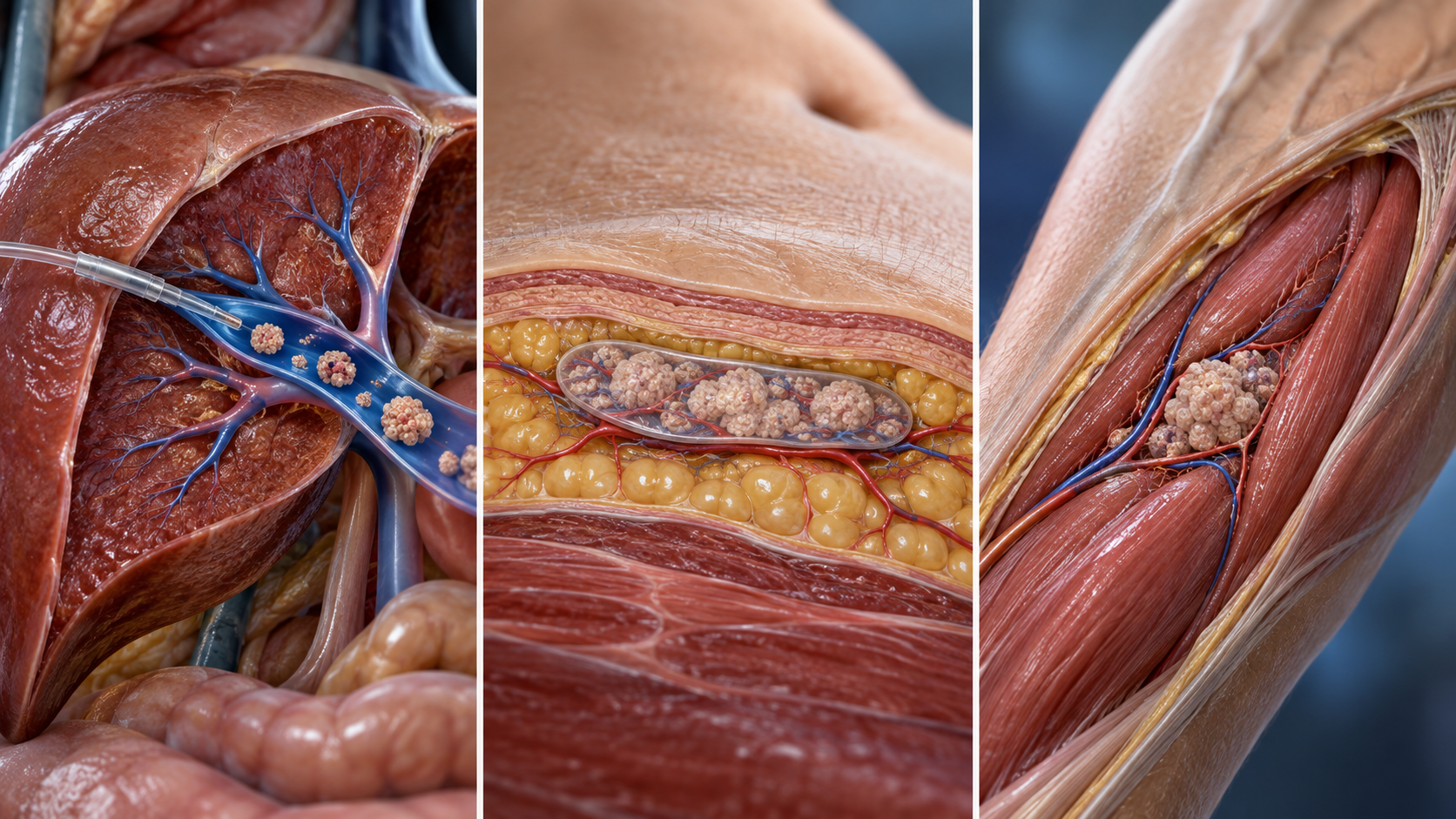
- Technique: under general anaesthesia an incision was made in the midline of the abdomen, a space for a sheet was made deep in the abdominal wall on each side, and several sheets were transplanted with their edges fixed with synthetic absorbable sutureSourced
- Trial design: Phase 1/1b, open-label, single-arm. Planned enrolment 3 patients; the primary endpoint is adverse events over one year after transplantation. Follow-up for up to 5 yearsSourced
As of October 2026, no results from the first patient onward, and no report of efficacy, could be found in the published material this article consultedNot yet confirmed.
(3) Attempts using the patient's own cells
A 2024 Cell paper reported one-year results for one patient who received islet cells made from chemically induced pluripotent stem cells (CiPSC) derived from the patient's own cells and transplanted under the anterior rectus sheath. The patient was reported to have been continuously free of insulin from 75 days after transplantation, with HbA1c stable at about 5%Sourced. This is an early report on one patient, and the authors say more patients need to be studied. The difference between autologous and allogeneic cells is covered in our explainer on autologous versus allogeneic cells.
6. How to handle immunity — suppress it, avoid it, or edit it
Once islets are placed in the body, the ways of protecting the cells fall into three broad groups (our summary).
| Approach | Examples | What published material confirms |
|---|---|---|
| 1 Suppress immunity with drugs | LANTIDRA, zimislecel | LANTIDRA presupposes continued immunosuppressionSourced. Zimislecel uses glucocorticoid-free immunosuppressionSourced |
| 2 Avoid it by wrapping cells in a membrane | VX-264 (encapsulated in an immune-protective device) | On 28 March 2025 Vertex announced that it would not advance the programme because the efficacy endpoints were not metSourced |
| 3 Avoid it by editing the cells | UP421 (gene-edited allogeneic islets) | Transplanted into one patient without immunosuppression. At 12 weeks no immune response was seen and C-peptide was stably detectedSourced |
Approach 2 is from Vertex's announcement [Reference 7], approach 3 from Carlsson et al. [Reference 17] and ClinicalTrials.gov [Reference 2], and approach 1 from the package insert [Reference 4] and Reichman et al. [Reference 6].
Approach 2, VX-264 — what happened
According to Vertex's announcement, VX-264 is a cell-plus-device product in which fully differentiated islet cells are encapsulated in a proprietary immune-protective device. In Part B of the Phase 1/2 trial the full dose was given, and the two primary endpoints were safety and the change in peak C-peptide at day 90 in the MMTT (mixed-meal tolerance test). The result was that it was safe and well tolerated but did not meet the efficacy endpoint. The rise in C-peptide was not at the level needed to provide benefit, and Vertex said it plans work including analysis of the explanted devicesSourced. The same announcement lists, as research-stage ways to remove or reduce immunosuppression, other immunosuppression approaches, gene-edited hypoimmune stem cell-derived islet cells and new encapsulation devicesSourced.
Approach 3, UP421 — gene-edited cells
A 2025 NEJM paper reports a case in which allogeneic donor islets, edited with CRISPR-Cas12b and lentiviral gene transfer to evade rejection, were transplanted into the forearm muscle of one man who had had type 1 diabetes for many years. No immunosuppressant was used, no immune response to the edited cells was seen at 12 weeks, and C-peptide was stably detected and responded to blood glucose. There were four adverse events, none serious or related to the study productSourced. It is registered on ClinicalTrials.gov as Early Phase 1 (an estimated 2 patients, recruiting)Sourced. In July 2026 a 14-month follow-up of the same trial was published in NEJM as a LetterSourced (Carlsson et al. [Reference 23]). According to Sana's announcement, fasting and MMTT-stimulated C-peptide at 14 months were at similar levels to the first six months and above the values at 9 and 12 months, islet cells were identified at the transplant site (forearm muscle) by PET-MRI at 52 weeks, and no safety issues were identifiedSourced (the company's own account [Reference 24]). The company explains that the trial is designed to confirm safety and function with a small number of cells and does not aim to show improved blood glucose or reduced insulin doseSourced. It says it intends to file an IND and start a Phase 1/2 trial of a similar stem cell-derived product (SC451) “as early as this year”Not yet confirmed. The mechanism of this approach (MHC and gene editing) is covered in our explainer on MHC and universal donors.
Show the detailed vector diagram and its source notes
7. A materials engineer's view (2): cell-wrapping devices and the foreign body response
The idea that wrapping cells in a membrane would remove the need for immunosuppression is an old one. The review by Desai and Shea says that if an encapsulation technology that can prevent rejection were realised, it could remove both of the two barriers, the donor shortage and lifelong immunosuppression, and that the combined insight of materials science, nanotechnology, stem cell biology and immunology is bringing that goal closerSourced.
The make-up of a specific device is described in the VC-02 paper (Shapiro et al., 2021)Sourced.
- A multilayer “sandwich” structure: a semipermeable expanded polytetrafluoroethylene (ePTFE) membrane (with engineered pores, or portals) and an outer polyester mesh that gives rigidity
- Filling: PEC-01 cells, thawed and cultured for three days, are loaded with nutrient-rich medium through an access tube, the tube is sealed and cut, and the device is packaged sterile for shipping and implantation
- Design intent: through the pores made in the membrane, the host's blood vessels grow into the lumen and connect directly to the cells, improving the exchange of oxygen and metabolites. This form of device, however, provides no immune protection, so immunosuppressants were used alongside
- A contrasting type: the same paper says an immune-protective device with a membrane that cells cannot cross (Encaptra) is being evaluated in a related separate trial (NCT02239354)
From this comparison a twofold requirement on device design can be read (our commentary).
- Protect, and you cannot feed: cutting off blood vessels with a membrane protects against immunity but leaves the supply of oxygen and nutrients to diffusion alone. Letting vessels in feeds the cells, but does not stop immunity
- The foreign body response as an enemy: a material placed in the body can lose function through fibrosis in an immune-mediated foreign body response. Vegas and colleagues report that, from a library of chemically modified alginates, they found three triazole-containing analogues that greatly reduced the foreign body response in rodents and, further, for at least six months in primatesSourced
- Tissue findings for VC-02: inside the retrieved devices there were regions invaded by the host's myofibroblasts, and collagen fibres were seen in regions without cellsSourced
- Results for VC-02: in another report (Ramzy et al.), one-year results for the first cohort of 15 patients showed no teratoma formation and no serious implant-related adverse events, and showed increases in fasting and glucose-responsive C-peptide. Immunosuppression was used alongsideSourced
Why VX-264, with islet cells encapsulated in an immune-protective device, failed to show efficacy is not in the published material: at the time of Vertex's announcement, analysis of the explanted devices was still to be done. So whether the cause was the membrane material, insufficient vascularisation or the cells themselves cannot be confirmed hereNot yet confirmed. The properties of alginate gels are covered in our explainer on hydrogels.
Show the detailed vector diagram and its source notes
8. Milestones and open questions

Show the detailed vector diagram and its source notes
(1) No stem cell-derived islet therapy is on the FDA's list of approved products
In the FDA's “Approved Cellular and Gene Therapy Products” list (updated 17 September 2026), the only product listed for type 1 diabetes is LANTIDRA (donor islet-derived); no stem cell-derived islet therapy is listedSourced. As of August 2026 Vertex said it expects to give an update on the timing for zimislecel later this yearNot yet confirmed.
(2) Points to watch in reading the results
- The zimislecel analyses are of few patients (12 at the full dose), interim, open-label and single-arm, and not prespecified. The two LANTIDRA trials are also open-label and single-armSourced. The definition of “insulin independence” differs from trial to trial, so the proportions cannot be set side by side
- In the zimislecel trial there were two deaths (the causes are given as an infection and the progression of a pre-existing condition)Sourced. An increase in immunosuppression-related infection and malignancy is also stated in the LANTIDRA package insertSourced
- OZTx-410 is a 3-patient safety trial, and no efficacy results could be confirmed within the scope of this surveyNot yet confirmed
(3) What this article could not confirm
- The specific timing of applications for approval for zimislecel and VX-017
- The cause of VX-264's failure (the results of the device analysis)
- The efficacy of OZTx-410 after transplantation, and its immunosuppression
- Specific conditions in the manufacturing process for stem cell-derived islets (culture, freezing, transport). The storage and transport conditions for the zimislecel product could not be confirmed in the published material this article consulted
- The approved cell therapy is LANTIDRA, derived from donor islets (FDA, 28 June 2023). It presupposes concurrent immunosuppressionSourced
- The one-bag limit is 1×10⁶ EIN, and the minimum dose for a 70 kg patient is 350,000 EIN (35% of the limit).Our calculation
- With the stem cell-derived zimislecel, 10 of the 12 patients (83%) who received the full dose were using no insulin at one year. This is a small, interim analysisSourced
- VX-264, which encapsulated cells in a membrane to avoid immunosuppression, was stopped in 2025 for insufficient efficacy. The cause of failure is unconfirmedSourced
- Gene-edited cells (UP421) were transplanted into one patient without immunosuppression, and no immune response was seen at 12 weeksSourced
9. Glossary
- Pancreatic islet (islets of Langerhans)
- A cluster of endocrine cells in the pancreas that release hormones such as insulin.
- Beta cell
- The islet cell that releases insulin. In type 1 diabetes it is destroyed by the immune system.
- Insulin independence
- A state in which blood glucose is kept adequately controlled without insulin supplied from outside. The definition differs from trial to trial.
- EIN / IEQ
- Units for the amount of islets. EIN is equivalent islet number and IEQ is islet equivalent. They are not the same unit.
- C-peptide
- A fragment produced at the same time as insulin is made. A guide to insulin production in the body.
- Severe hypoglycaemia
- Hypoglycaemia so severe that help from another person is needed.
- HbA1c
- An index of average blood glucose over roughly the past one to two months.
- Allogeneic / autologous
- Cells from another person, or from the patient's own body.
- Glucocorticoid
- A kind of steroid. Its side effects are a problem in long-term immunosuppression, so regimens that avoid it have been tried.
- Macroencapsulation
- A method of placing cells in a comparatively large device. Here it means a flat container enclosed by a membrane.
- Foreign body response (FBR)
- The immune reaction to a material placed in the body. It can cause fibrosis and loss of function.
- ePTFE
- Expanded polytetrafluoroethylene. Can be made into porous membranes, and is used for medical membranes.
- HLA homozygote
- A state in which the same HLA type was inherited from both parents. Cells are more likely to match many people.
- Hypoimmune
- Describes cells whose genes have been edited so that the immune system is less likely to detect them.
- MMTT
- Mixed-meal tolerance test. A meal-like challenge is given and the C-peptide response is examined.
- IND
- Investigational new drug application. Submitted to the FDA before a clinical trial begins in the United States.
10. Primary sources
- ClinicalTrials.gov NCT04786262 "A Safety, Tolerability, and Efficacy Study of VX-880 and VX-017 in Participants With Type 1 Diabetes" — clinicaltrials.gov
- ClinicalTrials.gov NCT06239636 "First-in-human Safety Study of Hypoimmune Pancreatic Islet Transplantation in Adult Subjects With Type 1 Diabetes" — clinicaltrials.gov
- Ramzy A, et al. "Implanted pluripotent stem-cell-derived pancreatic endoderm cells secrete glucose-responsive C-peptide in patients with type 1 diabetes", Cell Stem Cell 28(12):2047-2061, 2021 — doi.org
- U.S. FDA "LANTIDRA (donislecel-jujn) Package Insert", Revised 06/2023 (PDF) — fda.gov
- U.S. FDA "LANTIDRA" product page (approved 28 June 2023, CellTrans Inc.) — fda.gov
- Reichman TW, et al. "Stem Cell–Derived, Fully Differentiated Islets for Type 1 Diabetes", N Engl J Med 393(9):858-868, 2025 (NCT04786262) — doi.org
- Vertex Pharmaceuticals "Vertex Announces Program Updates for Type 1 Diabetes Portfolio", 28 March 2025 — news.vrtx.com
- Shapiro AMJ, et al. "Islet Transplantation in Seven Patients with Type 1 Diabetes Mellitus Using a Glucocorticoid-Free Immunosuppressive Regimen", N Engl J Med 343(4):230-238, 2000 — doi.org
- Hering BJ, et al. "Phase 3 Trial of Transplantation of Human Islets in Type 1 Diabetes Complicated by Severe Hypoglycemia", Diabetes Care 39(7):1230-1240, 2016 — doi.org
- Ministry of Health, Labour and Welfare, Health Sciences Council, Committee on Regenerative Medicine Evaluation, Expert Subcommittee on Xenotransplantation Document "On xenogeneic pancreatic islet transplantation" (Masayuki Shimoda), 30 January 2025 (PDF, in Japanese) — mhlw.go.jp
- Kyoto University Hospital "On the first transplant in the investigator-initiated trial of iPS cell-derived pancreatic islet cell sheet transplantation", 15 April 2025 (Japanese-language release) — kuhp.kyoto-u.ac.jp
- jRCT (Japan Registry of Clinical Trials) jRCT2053240146 "Phase 1/1b trial evaluating the safety of OZTx-410 (allogeneic iPS cell-derived pancreatic islet cell sheet) in patients with type 1 diabetes eligible for islet transplantation" (in Japanese) — jrct.mhlw.go.jp
- Shapiro AMJ, et al. "Insulin expression and C-peptide in type 1 diabetes subjects implanted with stem cell-derived pancreatic endoderm cells in an encapsulation device", Cell Rep Med 2(12):100466, 2021 — doi.org
- Desai T, Shea LD. "Advances in islet encapsulation technologies", Nat Rev Drug Discov 16(5):338-350, 2017 — doi.org
- Vegas AJ, et al. "Combinatorial hydrogel library enables identification of materials that mitigate the foreign body response in primates", Nat Biotechnol 34(3):345-352, 2016 — doi.org
- Wang S, et al. "Transplantation of chemically induced pluripotent stem-cell-derived islets under abdominal anterior rectus sheath in a type 1 diabetes patient", Cell 187(22):6152-6164, 2024 — doi.org
- Carlsson PO, et al. "Survival of Transplanted Allogeneic Beta Cells with No Immunosuppression", N Engl J Med 393(9):887-894, 2025 (NCT06239636) — doi.org
- Vertex Pharmaceuticals "Vertex Reports Second Quarter 2026 Financial Results", 3 August 2026 — news.vrtx.com
- Pagliuca FW, et al. "Generation of Functional Human Pancreatic β Cells In Vitro", Cell 159(2):428-439, 2014 — doi.org
- Rezania A, et al. "Reversal of diabetes with insulin-producing cells derived in vitro from human pluripotent stem cells", Nat Biotechnol 32(11):1121-1133, 2014 — doi.org
- U.S. FDA "Approved Cellular and Gene Therapy Products" (updated 17 September 2026) — fda.gov
- Ministry of Health, Labour and Welfare "Details of advanced medical care (overview): autologous islet transplantation with total pancreatectomy for chronic pancreatitis and other conditions" (PDF, in Japanese) — mhlw.go.jp
- Carlsson PO, et al. "Long-Term Survival of Hypoimmune Allogeneic Islets without Immunosuppression", N Engl J Med 395:825-827, 2026 (Letter to the Editor) — doi.org
- Sana Biotechnology "Sana Biotechnology Announces Follow-On Publication in The New England Journal of Medicine (NEJM) Highlighting Groundbreaking Long-Term Data and Durability of Hypoimmune-Modified Islet Cell Transplantation Without Immunosuppression in Type 1 Diabetes", 13 July 2026 — ir.sana.com
11. Claim-to-source audit
| Claim in the text | Basis | Label |
|---|---|---|
| LANTIDRA's indication, route (portal vein), dose (5,000 EIN/kg first, 4,500 EIN/kg repeat), estimated tissue volume of 10 cc or less per infusion, catheter specification (5 to 6 Fr, 65 cm or less, inner diameter 0.97 mm or more), up to 1×10⁶ EIN and 400 mL per bag, 200 mL wash bag, 15 to 25 °C and 6 hours, no leukocyte-depleting filter, HEPES and 0.5% human serum albumin, two clinical trials with 30 patients, median 399,178 EIN, 25 patients achieving insulin independence, serious adverse reactions in 90%, procedure-related 13%, increased portal pressure 7%, infection 87%, malignancy 37%, and continued immunosuppression | Reference 4 https://www.fda.gov/media/169920/download?attachment | Sourced |
| LANTIDRA's approval date (28 June 2023), marketer (CellTrans Inc.) and indication | Reference 5 https://www.fda.gov/vaccines-blood-biologics/lantidra | Sourced |
| The design of the zimislecel Phase 1/2 trial (half dose 0.4×10⁹ cells, full dose 0.8×10⁹ cells, portal vein, glucocorticoid-free immunosuppression), the analysis of 14 patients, C-peptide, the results for the 12 full-dose patients (no severe hypoglycaemia, HbA1c below 7%, over 70% in target range, 10 patients or 83% insulin independent), neutropenia in 3 patients, 2 deaths, and the interim nature of the analyses | Reference 6 https://doi.org/10.1056/NEJMoa2506549 | Sourced |
| The VX-264 Phase 1/2 trial (full dose in Part B, primary endpoints, efficacy endpoint not met and programme not advanced), the plan to analyse explanted devices, and other research-stage approaches | Reference 7 https://news.vrtx.com/news-releases/news-release-details/vertex-announces-program-updates-type-1-diabetes-portfolio | Sourced |
| The Edmonton report (7 patients, sirolimus, tacrolimus and daclizumab, 11,547 ± 1,604 IEQ/kg, two donors, percutaneous transhepatic transplant into the portal vein, 8% insulin independence at one year in registry data) | Reference 8 https://doi.org/10.1056/NEJM200007273430401 | Sourced |
| The Phase 3 trial (8 North American centres, 48 patients, 87.5% at one year and 71% at two years, bleeding requiring transfusion in 5 patients out of 75 procedures, infection in 2 patients, GFR decline) | Reference 9 https://doi.org/10.2337/dc15-1988 | Sourced |
| That allogeneic islet transplantation has been covered by health insurance in Japan since fiscal 2020 (Class I regenerative medicine), and that donor shortage and lifelong immunosuppression are the problems | Reference 10 https://www.mhlw.go.jp/content/10808000/001398380.pdf | Sourced |
| The first patient of OZTx-410 (February 2025), iPICs, the HLA-homozygous stock, the evenly dispersed thin sheet, temperature-controlled transport the day before, transplantation deep in the abdominal wall with synthetic absorbable suture, and follow-up of up to 5 years | Reference 11 https://www.kuhp.kyoto-u.ac.jp/press/20250415.html | Sourced |
| The OZTx-410 trial (Phase 1/1b, open-label, single-arm, 3 planned patients, primary endpoint adverse events over one year) | Reference 12 https://jrct.mhlw.go.jp/latest-detail/jRCT2053240146 | Sourced |
| The make-up of VC-02 (semipermeable ePTFE membrane with portals, outer polyester mesh, filling and sealing), vessel ingrowth and the absence of immune protection, Encaptra, results in 17 patients, host myofibroblasts and collagen fibres, and the immunosuppression used alongside | Reference 13 https://doi.org/10.1016/j.xcrm.2021.100466 | Sourced |
| That type 1 diabetes is an autoimmune disease, that donor shortage and lifelong immunosuppression hinder wider use, and the outlook for encapsulation technology | Reference 14 https://doi.org/10.1038/nrd.2016.232 | Sourced |
| That three triazole-containing analogues from a library of modified alginates reduced the foreign body response in rodents and in primates (for at least 6 months) | Reference 15 https://doi.org/10.1038/nbt.3462 | Sourced |
| One patient given CiPSC-derived islet cells under the anterior rectus sheath (insulin independent from 75 days later, HbA1c about 5%) | Reference 16 https://doi.org/10.1016/j.cell.2024.09.004 | Sourced |
| UP421 (allogeneic islets edited with CRISPR-Cas12b and lentivirus, into forearm muscle, no immunosuppression, no immune response at 12 weeks, 4 adverse events) | Reference 17 https://doi.org/10.1056/NEJMoa2503822 | Sourced |
| That the 14-month follow-up of UP421 (Letter to the Editor) was published in NEJM in 2026 | Reference 23 https://doi.org/10.1056/NEJMc2604408 | Sourced |
| Sana's announcement of 13 July 2026 (the course of C-peptide at 14 months, islet cells in the forearm on PET-MRI at 52 weeks, no safety issues, a design not aimed at showing improved glucose control at the low dose, and the IND and Phase 1/2 of SC451 as early as this year) | Reference 24 https://ir.sana.com/news-releases/news-release-details/sana-biotechnology-announces-follow-publication-new-england | Sourced |
| Vertex's announcement of 3 August 2026 (the zimislecel trial continuing to enrol and dose, the FDA accepting the IND for VX-017, an update on timing expected this year) | Reference 18 https://news.vrtx.com/news-releases/news-release-details/vertex-reports-second-quarter-2026-financial-results | Sourced |
| Differentiation into SC-beta cells (hundreds of millions of cells, improved blood glucose in mice) | Reference 19 https://doi.org/10.1016/j.cell.2014.09.040 | Sourced |
| Seven-stage differentiation, glucose-stimulated insulin secretion close to human islets, and reversal of diabetes in mice within 40 days | Reference 20 https://doi.org/10.1038/nbt.3033 | Sourced |
| That in the FDA list of approved products (updated 17 September 2026) the only product listed for type 1 diabetes is LANTIDRA and no stem cell-derived islet therapy is listed | Reference 21 https://www.fda.gov/vaccines-blood-biologics/cellular-gene-therapy-products/approved-cellular-and-gene-therapy-products | Sourced |
| That islet transplantation is replacement therapy for pancreatic beta cells, the insulin-secreting cells, and is positioned as regenerative medicine in Japan | Reference 22 https://www.mhlw.go.jp/content/10808000/001461711.pdf | Sourced |
| NCT04786262 (Phase 1/2/3, recruiting as Phase 3, estimated 57 patients, primary completion planned for December 2027, VX-880 and VX-017) | Reference 1 https://clinicaltrials.gov/study/NCT04786262 | Sourced |
| NCT06239636 (Early Phase 1, estimated 2 patients, transplant into forearm muscle, recruiting) | Reference 2 https://clinicaltrials.gov/study/NCT06239636 | Sourced |
| One-year results for the first cohort of 15 patients with VC-02 (no teratoma, no serious implant-related adverse events, increased C-peptide) | Reference 3 https://doi.org/10.1016/j.stem.2021.10.003 | Sourced |
| The share of the one-bag limit taken by the minimum dose (35%, 315,000 EIN), the ratio to the single dose in the trials (about 40%), and 10 of 12 for zimislecel (about 83%) | Our calculation. The 70 kg body weight is our assumption, and the actual dose is decided by the package insert and the judgement of the medical institution | Our calculation |
| The timing of applications for approval for zimislecel and VX-017, the efficacy of OZTx-410, the cause of VX-264's failure, and the storage and transport conditions of stem cell-derived islets | Not described in published material as of this article's survey (October 2026), or results are not yet available | Not yet confirmed |
| The reading that bags, lines, catheters and filters bear on recovery; the framing of human serum albumin as subject to raw material control; the twofold requirement on a membrane to “protect” and “feed”; the grouping of three ways of handling immunity; and the inference about design intent | This article's own summary and commentary based on published content. Not views expressed by any company or institution | Commentary |
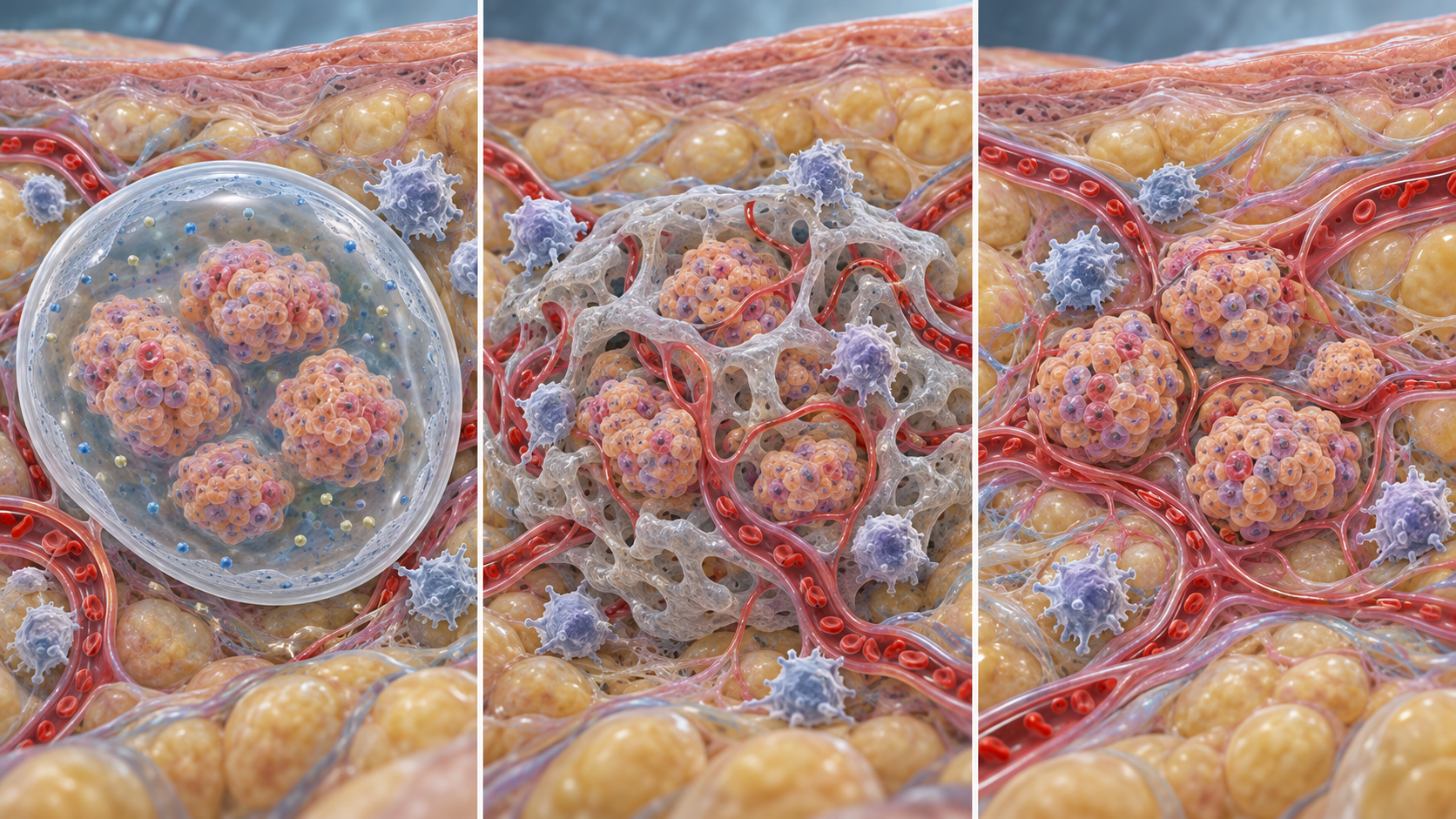
| That Figs. 1 to 5 are explanatory drawings rather than real anatomical drawings, design drawings or statistical charts of results, and that the hero image is an AI-generated image | Our note in this article | Commentary |
Last updated 1 October 2026. Sources are limited to primary material (FDA package insert, product page and list of approved products; peer-reviewed papers in NEJM, Cell and elsewhere; official company announcements; announcements from Kyoto University Hospital; ClinicalTrials.gov; jRCT; and MHLW documents). Because the article includes readings from the standpoint of materials and process, those are marked as Commentary and kept separate from sourced fact. The timing of applications for approval for zimislecel and VX-017, the efficacy of OZTx-410, the cause of VX-264's failure, and the storage and transport conditions of stem cell-derived islets are not stated, because they could not be confirmed in published primary sources. This article is a technical explainer from the standpoint of manufacturing, materials and regulation, and is not medical advice. All figures are explanatory concept graphics.