Key Findings
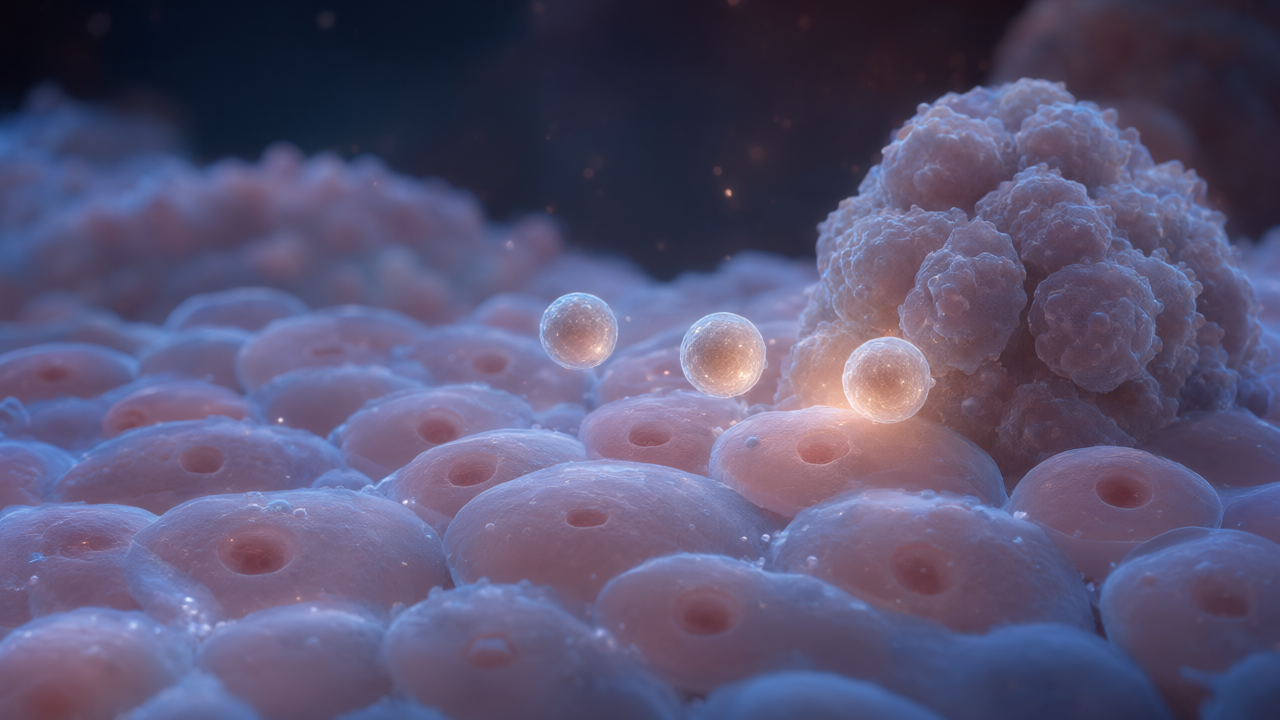
An innovative exosome-based drug delivery system (DDS) has achieved remarkable success in a Phase I/II clinical trial for glioblastoma multiforme (GBM), a notoriously difficult-to-treat cancer. In this system, anti-cancer drug paclitaxel was encapsulated within exosomes isolated from patient-derived mesenchymal stem cells and engineered to target GBM-specific receptors. This approach resulted in a six-fold increase in intratumoral paclitaxel concentration compared to conventional systemic administration, without detectable neurotoxicity, and led to significant tumor shrinkage and extended patient survival. These findings clearly demonstrate the capability of exosomes to efficiently cross the blood-brain barrier (BBB) and effectively deliver therapeutic agents to brain tumors.
Technical/Clinical Details
Exosomes are naturally secreted lipid bilayer nanovesicles, 30–150 nm in diameter, characterized by high biocompatibility and low immunogenicity. Their unique ability to traverse the blood-brain barrier (BBB) and home to specific cells or tissues (targeting capabilities) makes them particularly attractive for DDS. In this clinical trial, exosomes were harvested and purified from the patient’s own mesenchymal stem cells, then loaded with the hydrophobic anti-cancer drug paclitaxel. Furthermore, the exosome surface was modified with specific peptides or antibodies to recognize GBM-specific receptors (e.g., EGFRvIII, transferrin receptor), enhancing efficient uptake by tumor cells. This combination of targeting and BBB-penetrating ability is thought to have enabled the substantial increase in intratumoral drug concentration while simultaneously avoiding systemic neurotoxicity. The trial, conducted on a small cohort of GBM patients, evaluated tumor reduction rates, overall survival (OS), and progression-free survival (PFS following local or intravenous administration of paclitaxel-loaded exosomes, yielding promising results.
Background & Context
Glioblastoma multiforme (GBM) is the most aggressive form of brain tumor, with an extremely poor prognosis even with current standard treatments (surgery, radiotherapy, and temozolomide chemotherapy). One of the primary challenges in treating GBM is the blood-brain barrier (BBB), which severely restricts the passage of most therapeutic agents into the brain, making it difficult for drugs to reach the tumor. Additionally, GBM is highly heterogeneous, and its tumor microenvironment is immunosuppressive, necessitating effective DDS strategies. Exosomes, with their inherent structure and function, are garnering significant attention in the DDS field as ‘nanotech Trojan horses’ capable of overcoming the BBB and efficiently delivering drugs to target cells.
Strategic Significance & Outlook
The results of this Phase I/II clinical trial suggest that exosome-mediated DDS could be established as a new therapeutic strategy for hard-to-treat brain tumors like GBM. The six-fold increase in intratumoral drug concentration without neurotoxicity provides strong evidence for the safety and efficacy advantages of exosome DDS. Moving forward, larger Phase II/III clinical trials will be crucial to validate its efficacy, long-term safety, and reproducibility across a broader patient cohort. Research and development will also likely explore loading other drugs or gene therapy modalities into exosomes, with potential applications for other neurological and intractable diseases. Exosomes are poised to become a core technology in next-generation DDS, transforming modern medicine, and their continued development is eagerly anticipated.
Get our weekly technology intelligence — free
Receive an infographic that lets you judge at a glance whether each field’s analysis report is worth reading.
Subscribe Free — Weekly Tech Intelligence
By subscribing, you’ll receive Troy-Technical’s weekly technology intelligence newsletter.
- Your email and selected fields are used only to deliver the newsletter.
- We never share your information with third parties.
- You can unsubscribe anytime via the link in each email.
See our Privacy Policy for details.
Takes about a minute · Unsubscribe anytime