

Key Findings: Marine Cyanobacterial Genus Dapis Identified as Natural Source of Dolastatin 15
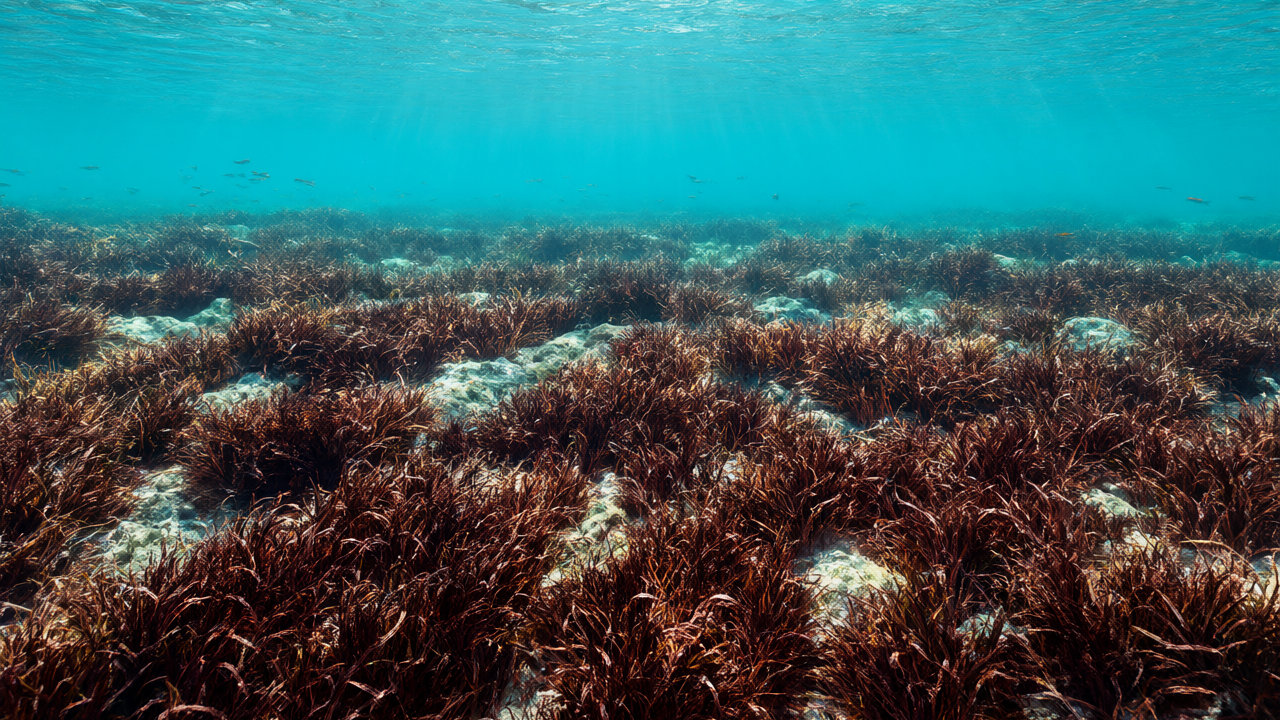
Researchers at the University of Florida College of Pharmacy have made a significant breakthrough by identifying the marine cyanobacterial genus Dapis as the natural source of dolastatin 15, a potent anticancer compound whose biological origin was previously unknown. This landmark study provides the first comprehensive genomic characterization of the Dapis genus and establishes a robust framework for linking valuable natural products to their specific biological producers. This discovery paves the way for more sustainable and efficient production of dolastatin 15 and its analogs, moving beyond complex and costly synthetic routes.
Technical and Clinical Details: Genomic Characterization and Natural Product Drug Discovery
Utilizing advanced genomic sequencing and comparative genomics, the research team pinpointed specific gene clusters within Dapis cyanobacteria that encode the biosynthetic pathway for dolastatin 15. This genetic blueprint is crucial for understanding how the compound is produced and elucidates the origins of its complex molecular structure, which has been challenging to achieve through chemical synthesis alone. Dolastatin 15 is a highly cytotoxic compound known for its microtubule-inhibiting properties and has previously undergone clinical trials as a candidate for advanced cancer treatment. Identifying its natural source not only offers potential for large-scale production but also enables rational drug design by leveraging genomic information to explore structural modifications and analogous compounds.
Background and Industry Context: Re-evaluating Natural Product Drug Discovery
Historically, natural products have been a rich source of many vital medicines. However, challenges related to complex structures and inconsistent supply have led to a pivot towards synthetic compounds and biologics in recent decades. This discovery reignites interest in the immense potential of natural product-based drug discovery. Marine microorganisms, in particular, are recognized as a new frontier for drug exploration due to their unique metabolic pathways and ability to produce diverse bioactive compounds. The identification of the Dapis genus underscores the importance of biotechnological approaches for the environmentally friendly and sustainable production of high-value pharmaceuticals.
Future Outlook: New Cancer Therapies and Biotechnological Production
This finding is expected to significantly accelerate the development of new cancer therapies based on dolastatin 15. The identification of its natural source promises more efficient and reliable production of dolastatin 15 and its derivatives, ensuring a stable supply for preclinical and clinical evaluations. In the future, biotechnological methods, such as Dapis cultivation or genetic engineering, could be established for large-scale production of dolastatin 15 and its analogs. This could catalyze a renaissance in natural product drug discovery within the pharmaceutical industry and open new applications for marine biotechnology. This advancement offers hope for cancer patients through improved therapeutic options and sustainable drug development.
Source: https://ufhealth.org/news/2026/uf-researchers-identify-natural-source-of-important-drug-compound
Get our weekly technology intelligence — free
Receive an infographic that lets you judge at a glance whether each field’s analysis report is worth reading.
Subscribe Free — Weekly Tech Intelligence
By subscribing, you’ll receive Troy-Technical’s weekly technology intelligence newsletter.
- Your email and selected fields are used only to deliver the newsletter.
- We never share your information with third parties.
- You can unsubscribe anytime via the link in each email.
See our Privacy Policy for details.
Takes about a minute · Unsubscribe anytime