Key Findings
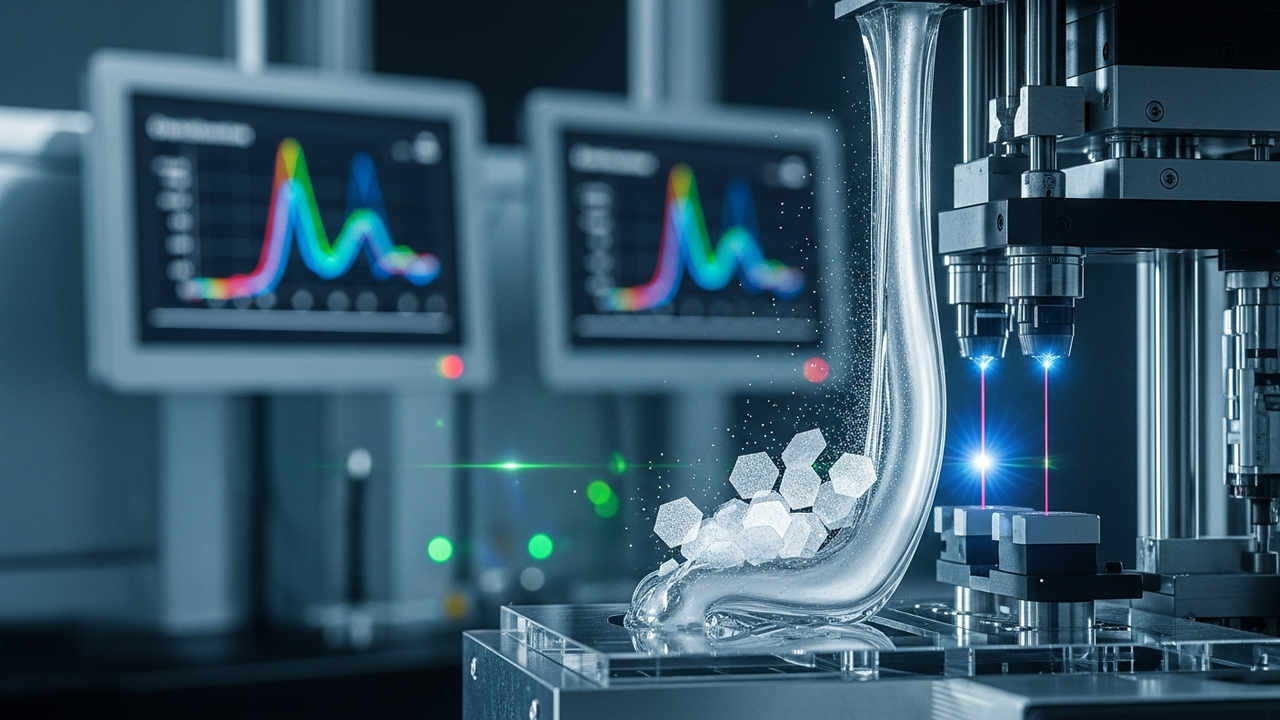
Theorem Chemical’s latest analysis confirms that the incorporation of hexagonal boron nitride (hBN) powder significantly enhances the performance of lubricants across automotive, industrial, and specialty applications. hBN imparts superior friction reduction, improved wear resistance, and enhanced thermal stability and conductivity, particularly excelling in harsh, high-temperature operating conditions. The study revealed that an optimal balance of performance and stability is achieved with an addition of just 1% hBN powder, marking a cost-effective and highly efficient formulation.
Technical and Clinical Details
hBN’s layered hexagonal structure, similar to graphite, enables it to function as an excellent solid lubricant. Unlike graphite, hBN is an electrical insulator and highly chemically stable, expanding its application scope. When dispersed in lubricants, hBN nanoparticles form a thin, protective film between contact surfaces, effectively reducing metal-to-metal contact and thereby lowering friction coefficients. This significantly curtails mechanical wear, prolonging equipment lifespan and boosting energy efficiency.
Furthermore, hBN’s high thermal conductivity efficiently dissipates heat generated by friction, slowing lubricant degradation and maintaining viscosity stability at elevated temperatures. This ensures that engines and machinery can sustain consistent performance even under extreme thermal conditions. The finding that a relatively low addition rate of 1% yields such broad benefits is a considerable advantage from a cost-efficiency perspective, making it highly attractive for industrial implementation.
Background and Industry Context
Modern industrial machinery and automotive engines demand ever-increasing levels of efficiency, durability, and resilience to severe operating conditions. Traditional lubricants are often challenged to meet these escalating requirements. Reducing frictional losses directly translates into improved energy efficiency and reduced environmental impact, driving the accelerated development of advanced lubrication solutions using nanomaterials like hBN. These materials are seen as crucial for the next generation of high-performance mechanical systems.
Strategic Significance and Outlook
High-performance lubricants formulated with hBN are expected to find widespread application across various sectors, including the automotive industry (particularly for EV powertrains and high-load components), aerospace, and heavy industrial machinery. The ability to achieve optimal performance with just 1% hBN addition means products can deliver high added value while maintaining competitive pricing. Future research is anticipated to lead to the development of customized hBN composite lubricants for specific applications, accelerating market penetration and significantly contributing to the enhancement of mechanical system efficiency and longevity globally.
Source: #
Get our weekly technology intelligence — free
Receive an infographic that lets you judge at a glance whether each field’s analysis report is worth reading.
Subscribe Free — Weekly Tech Intelligence
By subscribing, you’ll receive Troy-Technical’s weekly technology intelligence newsletter.
- Your email and selected fields are used only to deliver the newsletter.
- We never share your information with third parties.
- You can unsubscribe anytime via the link in each email.
See our Privacy Policy for details.
Takes about a minute · Unsubscribe anytime