

Key Findings
The ECHO (electrocatalytic closed-loop health optimization) system successfully lowered elevated glucose levels to a normal range within 60 to 90 minutes in mice with genetically associated obesity and type 2 diabetes. In a six-week scheduled treatment trial, treated mice lost up to 10% of their body weight without changes in food intake. Blood analysis showed lower triglyceride levels alongside higher free fatty acids and ketone concentrations, suggesting an increased reliance on fat for energy.
Technical Details
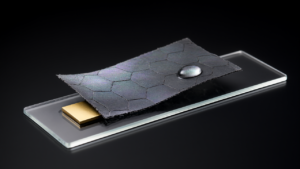
The implant utilizes a catalyst composed of porous graphite felt featuring gold nanostructures decorated with platinum particles. This architecture enables an electrically driven reaction that converts glucose into gluconate without the need for enzymes or living cells. The device is powered wirelessly via an external transmitter operating at 13.56 megahertz.
- Operating Parameters: Effective glucose lowering was observed at 0.75 volts and 10 milliamperes.
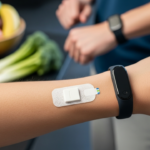
- Control Mechanism: The system can be operated on a schedule or via a feedback loop. In a 12-day experiment, ECHO was connected to a commercial continuous glucose monitor. A sensor detected the monitor’s vibration alerts and relayed them to the power generator to activate treatment in five-minute intervals.
- Construction: The device consists of the catalyst, electronics, a protective casing, and encapsulation layers for tissue compatibility.
Background & Context
Developed by a team led by Martin Fussenegger at ETH Zurich’s Department of Biosystems Science and Engineering in Basel, ECHO departs from traditional insulin-based treatments. While insulin regulates glucose use and storage, ECHO chemically removes glucose from the system. Most of the resulting gluconate is excreted through the kidneys, reducing available metabolic energy.
Significance & Outlook
The study demonstrates a method for automatic glucose regulation that does not rely on delivering hormones or drugs. While the researchers envision a treatment that responds dynamically to glucose readings via smartphone-compatible monitoring, the system has not yet been tested in humans.
Source: https://www.yahoo.com/news/science/articles/eth-zurich-electronic-implant-lowers-230700607.html
Get our weekly technology intelligence — free
Receive an infographic that lets you judge at a glance whether each field’s analysis report is worth reading.
Subscribe Free — Weekly Tech Intelligence
By subscribing, you’ll receive Troy-Technical’s weekly technology intelligence newsletter.
- Your email and selected fields are used only to deliver the newsletter.
- We never share your information with third parties.
- You can unsubscribe anytime via the link in each email.
See our Privacy Policy for details.
Takes about a minute · Unsubscribe anytime