

Key Findings
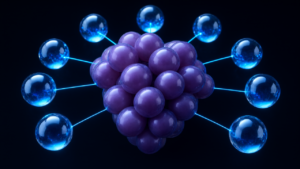
The research team demonstrated that the Mm 3D-HaeMan platform can analyze metabolic cooperation between gut microbes and the physiological responses of host cells. Specifically, co-culturing the microbes Bifidobacterium bifidum and Anaerostipes caccae resulted in increased butyrate production. When these microbes were cultured with host cells, the team observed increased mitochondrial respiration activity in intestinal epithelial cells, maintenance of the intestinal barrier function, and changes in immune-related cytokine responses. Transcriptome analysis further revealed that the expression of metabolic genes in microbes varies depending on the presence of host cells.
Technical Details
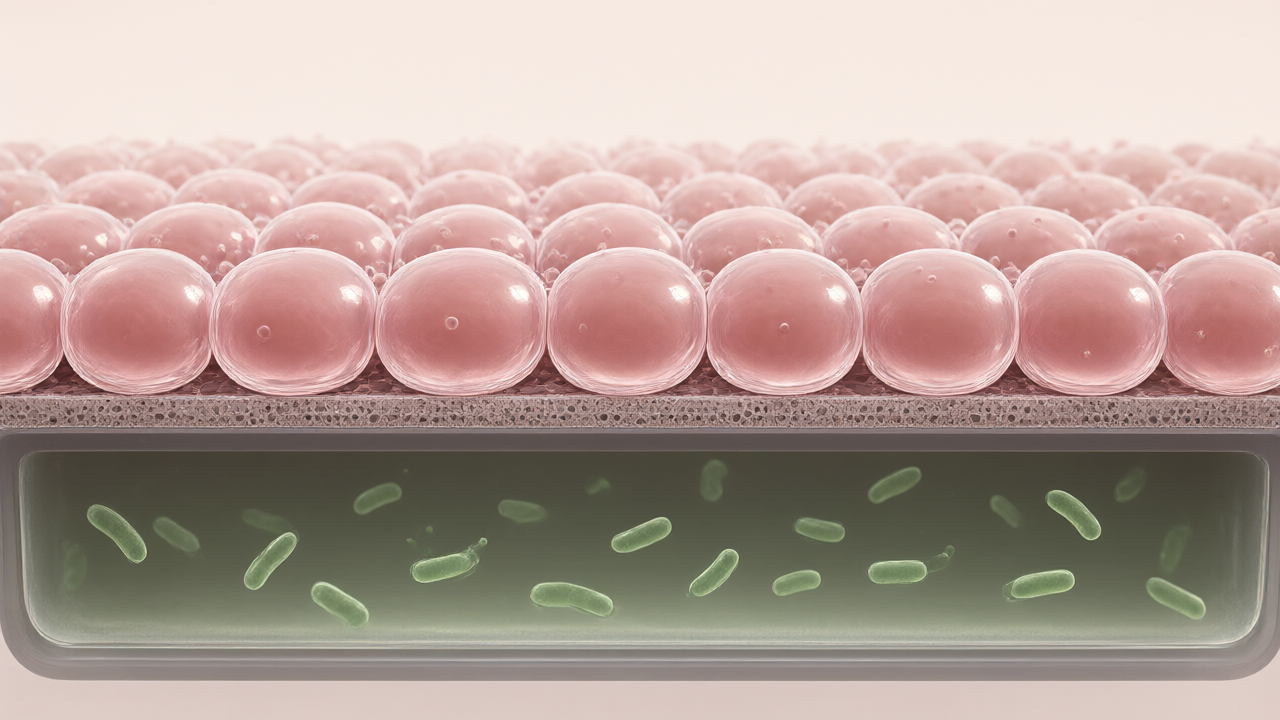
The Mm 3D-HaeMan system is designed to mimic the mucus layer and the oxygen concentration gradient of the human colon. It utilizes spatially separated culture layers to house intestinal epithelial cells, immune cells, and anaerobic gut microbes. This architecture allows each component to maintain its required environment while enabling interaction via signaling molecules and metabolites. A key technical advantage is that the platform can be implemented using general-purpose cell culture equipment and allows for the independent collection of samples from each layer for simultaneous analysis of host and microbial responses.
Background and Context
Traditional cell culture models struggle to simultaneously maintain human cells, which require oxygen, and anaerobic gut microbes, which are sensitive to oxygen. While organoids and organ-on-a-chip technologies can replicate tissue structures and microenvironments, they often require additional specialized equipment to co-culture immune cells and anaerobic microbes. This research, published on October 23 in Gut Microbes (which had an impact factor of 15.3 based on 2025 JCR data, ranking in the top 5.4% of microbiology), addresses these limitations.
Significance and Outlook
The development of this platform provides a foundation for the integrated analysis of microbial metabolic cooperation and host physiological reactions within a single system. The project was led by Professor Nam-ju Kang (Catholic University of Korea) and Professor Bong-soo Kim (Ewha Womans University) as co-corresponding authors, with support from the National Research Foundation of Korea’s Next-Generation Bio Promising General-Purpose Technology Research program.
Source: https://www.kyosu.net/news/articleView.html?idxno=212125
Get our weekly technology intelligence — free
Receive an infographic that lets you judge at a glance whether each field’s analysis report is worth reading.
Subscribe Free — Weekly Tech Intelligence
By subscribing, you’ll receive Troy-Technical’s weekly technology intelligence newsletter.
- Your email and selected fields are used only to deliver the newsletter.
- We never share your information with third parties.
- You can unsubscribe anytime via the link in each email.
See our Privacy Policy for details.
Takes about a minute · Unsubscribe anytime