The Challenge of Triple-Negative Breast Cancer
Triple-negative breast cancer (TNBC) stands as one of the most formidable challenges in oncology. Characterized by its lack of estrogen, progesterone, and HER2 receptor expression, TNBC limits targeted therapeutic options, often necessitating reliance on highly toxic chemotherapy regimens with significant side effects. Patients face high recurrence rates, aggressive metastatic potential, and a generally poor prognosis compared to other breast cancer subtypes. Consequently, there is an urgent and unmet medical need for more effective, less toxic, and chemical-free therapeutic alternatives. Nanomedicine has emerged as a promising frontier in drug delivery, diagnostics, and therapy, with drug-free approaches offering substantial advantages in reducing systemic toxicity and minimizing adverse effects.
A Drug-Free Nanoparticle Breakthrough
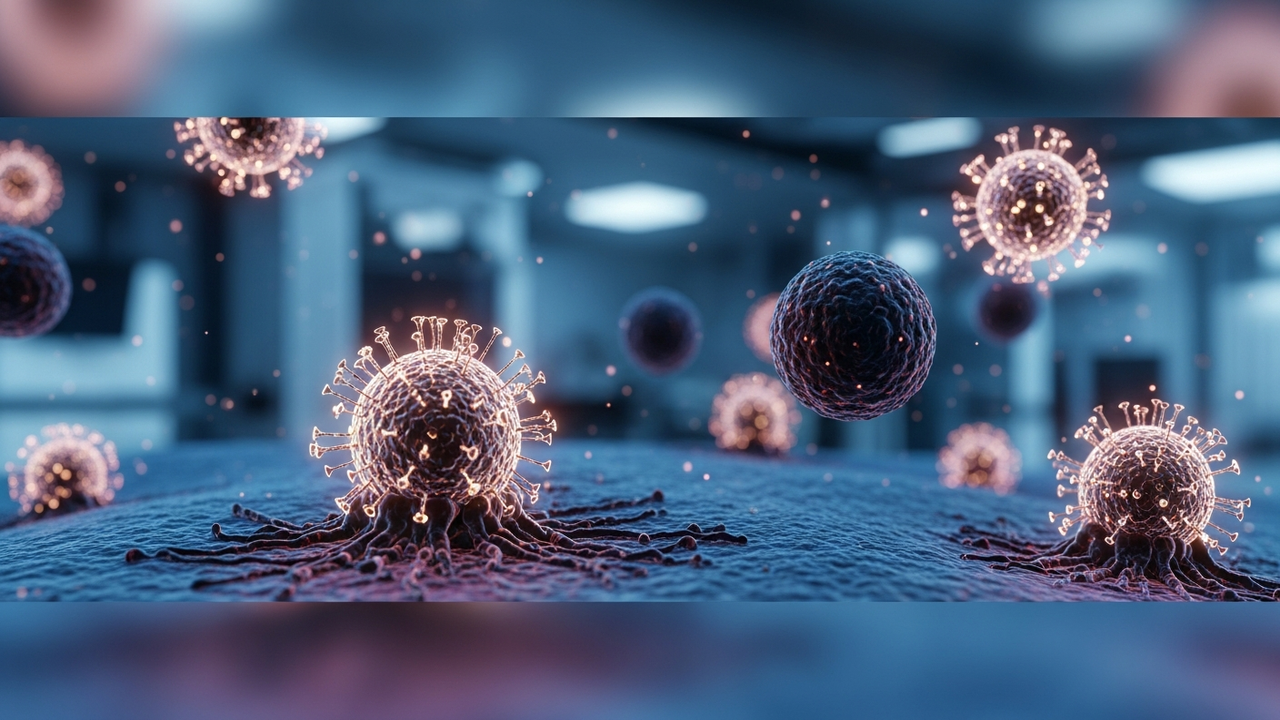
A team of scientists at the Technion-Israel Institute of Technology has engineered novel nanoparticles that have successfully halted the proliferation of aggressive TNBC tumors in female mice. Critically, this breakthrough was achieved without the use of chemotherapy or any other pharmacological agents, presenting a truly drug-free nanomedicine approach. The therapeutic outcomes demonstrated by these nanoparticles were found to be comparable to those achieved with advanced immunotherapy treatments, signifying a potential paradigm shift towards transformative, chemical-free therapies for this particularly lethal form of breast cancer.
Mechanism and Efficacy
- Unlike conventional nanomedicines that carry a drug payload, these nanoparticles exert their anti-tumor effects through their intrinsic physical properties and specific biological interactions within the tumor microenvironment. The precise mechanism is believed to involve selective accumulation within the tumor, interfering with cancer cell proliferation signaling pathways, or inducing apoptosis (programmed cell death).
- In robust preclinical models using female mice, treatment with these nanoparticles significantly suppressed tumor size and growth rate in triple-negative breast cancer, often leading to a complete cessation of tumor progression.
- The therapeutic results demonstrate efficacy on par with advanced immunotherapies, whether currently in clinical use or under development. A crucial advantage observed in the safety profile was the complete absence of drug-related side effects.
- Given TNBC’s inherent resistance to many targeted therapies due to its receptor-negative status, these nanoparticles offer a potential new therapeutic strategy that operates independently of these traditional targets.
- The scientific rigor and significance of these findings have been validated through their publication in the prestigious scientific journal ACS Nano.
Strategic Significance and Outlook
This groundbreaking nanoparticle technology holds immense promise for revolutionizing the treatment landscape for triple-negative breast cancer. While the success in mouse models represents an early, preclinical stage, progression to human clinical trials, if successful, could offer a beacon of hope for countless patients desperately seeking effective, less toxic, and chemical-free treatment options. Researchers are also anticipating exploring the applicability of this innovative approach to other intractable cancer types. This study powerfully exemplifies how the strategic application of nanotechnology can profoundly shape and advance the future of cancer therapy, moving beyond traditional drug-dependent paradigms.
Source: https://www.australianjewishnews.com/israeli-drug-free-nanomedicine-breakthrough/
Get our weekly technology intelligence — free
Receive an infographic that lets you judge at a glance whether each field’s analysis report is worth reading.
Subscribe Free — Weekly Tech Intelligence
By subscribing, you’ll receive Troy-Technical’s weekly technology intelligence newsletter.
- Your email and selected fields are used only to deliver the newsletter.
- We never share your information with third parties.
- You can unsubscribe anytime via the link in each email.
See our Privacy Policy for details.
Takes about a minute · Unsubscribe anytime