Key Findings
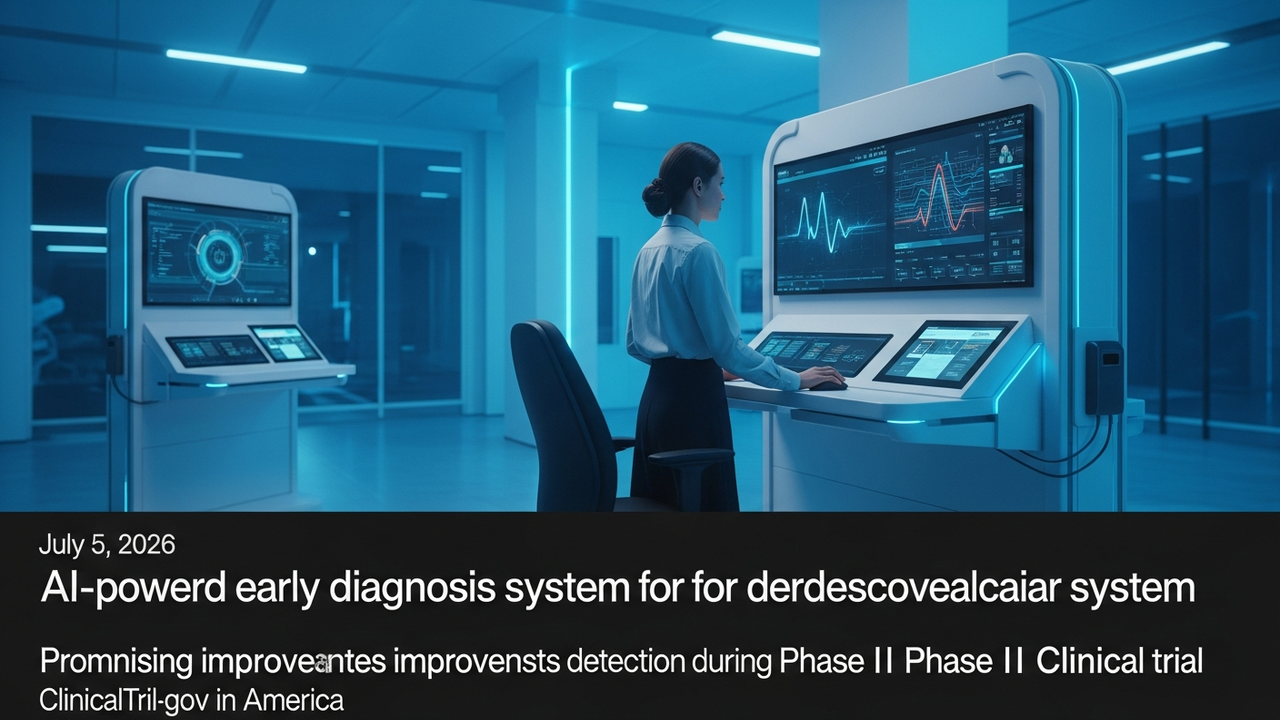
An interim report from an ongoing Phase 2 clinical trial evaluating an AI-based system for the early diagnosis of cardiovascular diseases has shown promising improvements in detection rates, particularly among high-risk patient populations, compared to traditional diagnostic methods. The AI system aims to enhance diagnostic accuracy by identifying subtle indicators from electrocardiogram (ECG) and medical imaging data. These initial results suggest the significant potential of AI to contribute to earlier intervention and improved patient outcomes in cardiology.
Technical / Clinical Details
This AI-based diagnostic system leverages deep learning models to analyze vast amounts of ECG data, cardiac ultrasound images, MRI scans, and other relevant clinical parameters. The AI is trained to identify complex patterns and anomalies within these datasets that are associated with the onset or progression of cardiovascular diseases. Traditional diagnostic approaches, often relying on the expertise of specialists and established guidelines, carry a risk of missed diagnoses, especially in early-stage disease or atypical presentations. The AI system, however, can detect subtle changes that are often imperceptible to human eyes, thereby expanding the window for early diagnosis.
The ongoing Phase 2 clinical trial is designed as a randomized controlled study, comparing the diagnostic accuracy of the AI system against standard diagnostic methods employed by cardiologists. The study population includes individuals identified as high-risk for cardiovascular disease, possessing risk factors such as hypertension, diabetes, and a family history of heart conditions. Interim results indicate a significant improvement in the detection rates of conditions like mild coronary artery disease and early-stage heart failure within the AI-guided group compared to the standard diagnosis group. While specific quantitative figures are awaiting final publication, early indications suggest potential improvements in detection rates by double-digit percentage points. The AI-driven diagnostic process also holds promise for reducing diagnosis time and optimizing healthcare resource utilization.
Background & Context
Cardiovascular diseases remain a leading cause of mortality worldwide, making early detection and intervention critical for improving patient survival rates and quality of life. However, early symptoms of heart disease are often non-specific or entirely absent, leading to delayed diagnoses. Advances in AI technology are emerging as a powerful tool to overcome this challenge, offering the capability to efficiently analyze large volumes of complex medical data and provide diagnostic support. Numerous pharmaceutical companies and medical device manufacturers are investing heavily in the development of AI-powered diagnostic and therapeutic solutions, indicating rapid growth in this sector.
Strategic Significance & Outlook
The final clinical trial results for this AI-based diagnostic system have the potential to significantly reshape the paradigm of cardiac diagnosis. Should the Phase 2 trial conclude with positive outcomes, and if its superiority is further validated in subsequent large-scale Phase 3 trials, this system is likely to be widely adopted as a standard tool for cardiac screening. This would enable more patients to receive early diagnoses and timely therapeutic interventions, leading to substantial reductions in cardiovascular disease mortality and complications. Furthermore, this technology holds promise for application in telemedicine and primary care settings, improving access to cardiac diagnosis in areas with limited specialist availability, thereby democratizing advanced cardiac care.
Source: #
Get our weekly technology intelligence — free
Receive an infographic that lets you judge at a glance whether each field’s analysis report is worth reading.
Subscribe Free — Weekly Tech Intelligence
By subscribing, you’ll receive Troy-Technical’s weekly technology intelligence newsletter.
- Your email and selected fields are used only to deliver the newsletter.
- We never share your information with third parties.
- You can unsubscribe anytime via the link in each email.
See our Privacy Policy for details.
Takes about a minute · Unsubscribe anytime








Comments