Key Findings
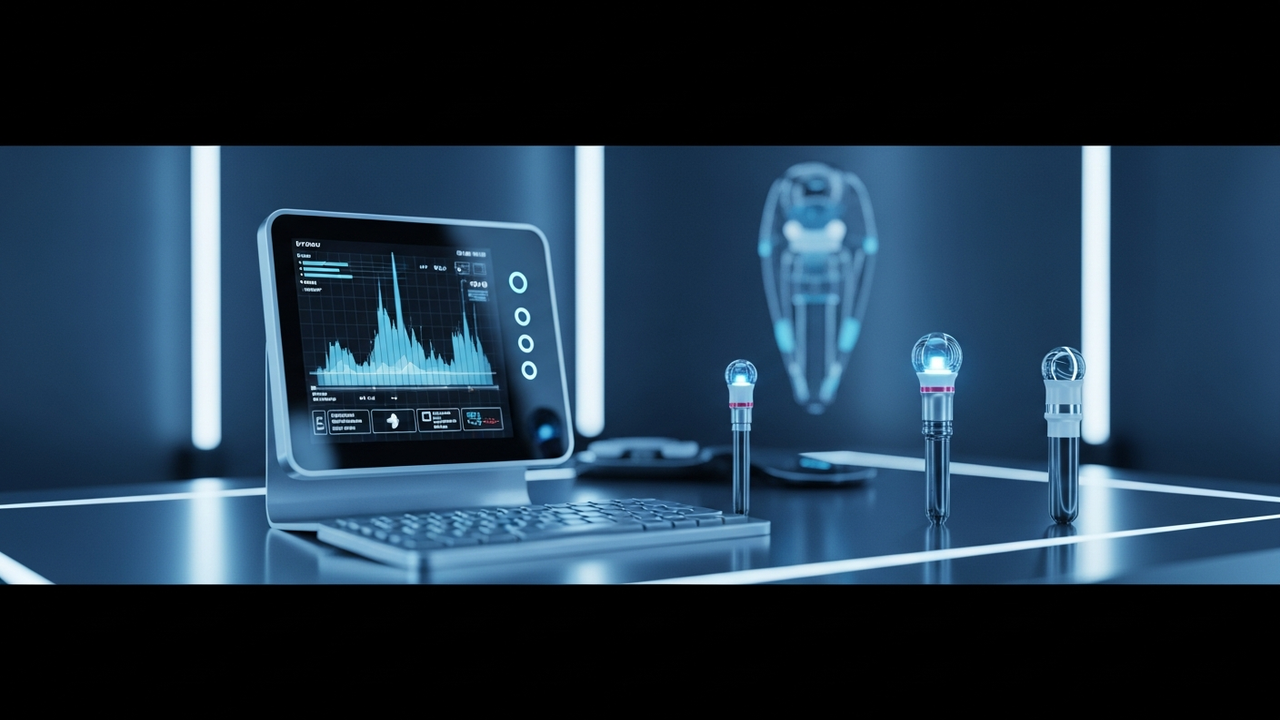
Technological advancements in wearable and implantable biosensors are fundamentally transforming the paradigm of biochemical evaluation, shifting it from episodic testing to continuous physiological monitoring of metabolic, hormonal, and inflammatory biomarkers. These innovative devices possess the potential to revolutionize personalized healthcare by enabling real-time detection of multiple biomarkers in various biofluids, including interstitial fluid, sweat, saliva, tears, blood, and wound exudates. Specifically, personalized cardiometabolic care is emphasized as the most promising and attractive market entry point for next-generation biosensors.
Technical/Clinical Details
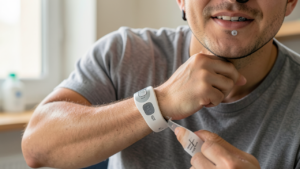
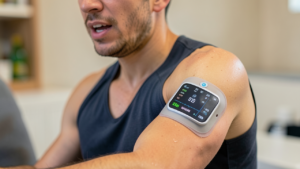
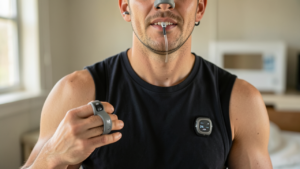
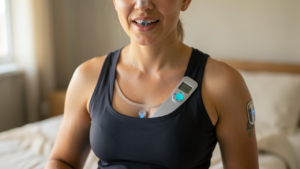
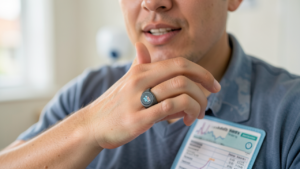
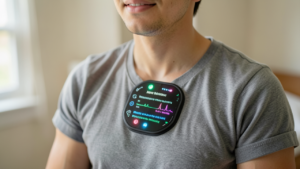
These biosensors function through diverse architectures, such as microneedles, transdermal patches, smart textiles, contact lenses, and subcutaneous implantable devices. Their detection principles can be electrochemical, optical, mechanical, or thermal, and are designed to specifically react with target biomarkers (e.g., glucose, lactate, cortisol, cytokines, electrolytes). For instance, microneedle patches penetrate the outermost layer of the skin to access interstitial fluid, detecting specific metabolites or hormones. Sensors integrated into smart textiles can monitor electrolytes and lactate from sweat. These devices wirelessly transmit collected data to smartphones or cloud platforms, where AI/machine learning algorithms analyze it to identify individual health trends and anomalies. This continuous data acquisition captures subtle shifts in specific health states, providing essential information for early disease detection, prevention, and optimization of therapeutic interventions.
Background and Industry Context
Traditional health monitoring has relied on periodic clinical tests at hospitals or self-measurements at home, making it challenging to obtain a comprehensive, real-time understanding of a patient’s physiological state. However, with the increasing prevalence of chronic diseases and the growing demand for personalized medicine, there is a strong call for more continuous and non-invasive monitoring solutions. Wearable and implantable biosensors have rapidly evolved over the past decade to meet this need. Notably, the success of Continuous Glucose Monitoring (CGM) has paved the way for continuous monitoring technologies for other biomarkers. Cardiometabolic diseases (e.g., diabetes, hypertension, obesity), due to their high prevalence and complex interactions, critically require simultaneous monitoring of multiple biomarkers, making this area particularly ripe for breakthroughs.
Strategic Significance & Outlook
Next-generation biosensors are expected to evolve into multifunctional systems capable of simultaneously monitoring multiple biomarkers with high precision. This will allow for a more comprehensive assessment of individual cardiometabolic risk, enabling early intervention and potentially preventing severe events such as heart attacks and strokes. Furthermore, when integrated with AI, these sensors will provide personalized health insights and feedback to encourage behavioral changes from vast amounts of bio-data. In the future, these devices are expected to become indispensable tools in preventive medicine, personalized nutrition, stress management, and early disease diagnosis, shaping the future of ‘digital health’ where patients actively manage their own well-being. Regulatory bodies are also called upon to streamline the approval processes for these innovative devices to facilitate their rapid market introduction.
Get our weekly technology intelligence — free
Receive an infographic that lets you judge at a glance whether each field’s analysis report is worth reading.
Subscribe Free — Weekly Tech Intelligence
By subscribing, you’ll receive Troy-Technical’s weekly technology intelligence newsletter.
- Your email and selected fields are used only to deliver the newsletter.
- We never share your information with third parties.
- You can unsubscribe anytime via the link in each email.
See our Privacy Policy for details.
Takes about a minute · Unsubscribe anytime

Comments