Key Findings
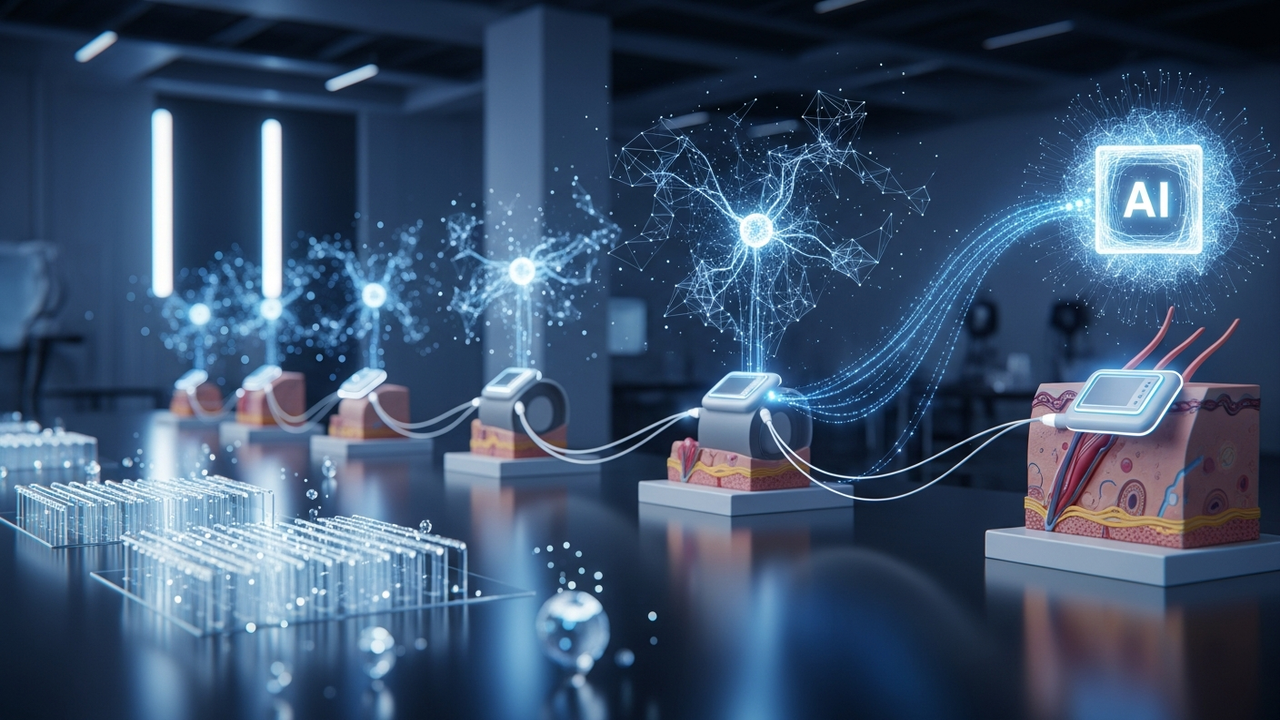
Biosensor technology has undergone a remarkable evolution from its fundamental principles to advanced Artificial Intelligence (AI)-driven sensing. Wearable biosensors, in particular, are positioned as innovative platforms for collecting physiological and biochemical markers from non-invasive bodily fluids such as sweat, saliva, interstitial fluid, and tears. The integration of these sensors with AI analytics provides unprecedented predictive health insights for chronic disease management and personalized healthcare, significantly contributing to early disease detection, progression monitoring, and optimization of therapeutic outcomes. This advancement is crucial in shifting the locus of analytical testing from centralized laboratories to point-of-care (POC) and point-of-need (PoN) environments.
Technical/Clinical Details
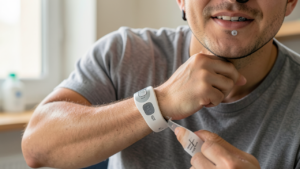
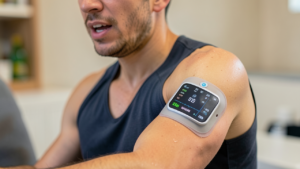
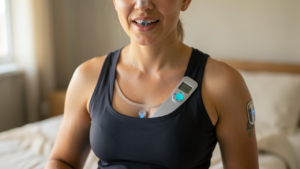
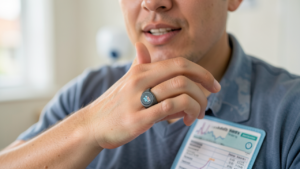
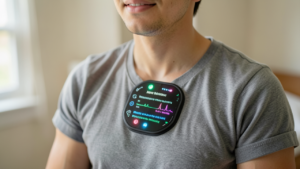
Wearable biosensors combine a recognition element (e.g., enzymes, antibodies, nucleic acids) for specific biomolecules or physiological changes, with a transducer that converts these interactions into measurable outputs like electrical or optical signals. Modern devices feature miniaturization, enhanced sensitivity, and multiplex detection capabilities, allowing for simultaneous detection of multiple biomarkers. For instance, smartwatches and patch-type sensors collect real-time information on heart rate, skin temperature, oxygen saturation, glucose, and lactate. AI analytics process this continuous data, applying complex algorithms to filter noise, identify abnormal patterns, and predict personalized health risks. This reveals correlations between lifestyle factors (such as activity levels, sleep cycles, and stress response) and biomarkers, enabling earlier detection of disease onset or progression.
Background and Industry Context
Traditional medical diagnostics relied on intermittent and often invasive methods like regular blood draws or urine tests. However, with the rise in chronic diseases and increasing interest in preventive medicine, there has been a dramatic surge in demand for more continuous and non-invasive health monitoring. Biosensors are ideal technologies to meet this need, empowering patients to actively manage their health status from home or in their daily environments. Integration with AI transforms raw sensor data from mere numbers into clinically actionable insights, enhancing decision-making for both healthcare providers and patients. This technological evolution is expected to contribute significantly to reducing healthcare costs, improving patients’ quality of life, and enhancing public health.
Strategic Significance & Outlook
AI-driven wearable biosensors are set to become core technologies for realizing personalized preventive medicine. In the future, these devices are expected to become more sophisticated, capable of accurately detecting an even broader range of biomarkers. Furthermore, seamless integration with other digital health technologies (e.g., electronic health records, telehealth platforms) will advance, building platforms for sharing and utilizing patient data across the entire healthcare ecosystem. AI also holds the potential to discover new biomarkers for diseases from this vast amount of data and accelerate the development of new therapies. With the widespread adoption of this technology, patients will receive personalized guidance in real-time to lead healthier lives, and healthcare providers will be able to offer more efficient and effective care.
Source: https://www.intechopen.com/online-first/1241611
Get our weekly technology intelligence — free
Receive an infographic that lets you judge at a glance whether each field’s analysis report is worth reading.
Subscribe Free — Weekly Tech Intelligence
By subscribing, you’ll receive Troy-Technical’s weekly technology intelligence newsletter.
- Your email and selected fields are used only to deliver the newsletter.
- We never share your information with third parties.
- You can unsubscribe anytime via the link in each email.
See our Privacy Policy for details.
Takes about a minute · Unsubscribe anytime



Comments