
Key Findings
The University of Massachusetts Chan Medical School has embarked on developing the innovative ‘PILLAR project,’ a remote patient monitoring (RPM) system designed to significantly enhance care for individuals suffering from Systemic Lupus Erythematosus (SLE), commonly known as lupus. This project integrates wearable devices and smartphone applications, enabling patients to easily track their symptoms and physiological data daily. This provides healthcare providers with profound insights into the patient’s health status between regular clinic visits. Concurrently, clinical research is underway to test new biomarkers and sensors, aiming for more accurate detection of lupus flares and prediction of physiological changes that precede symptom onset.
Technical/Clinical Details
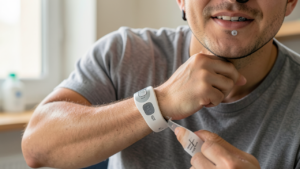
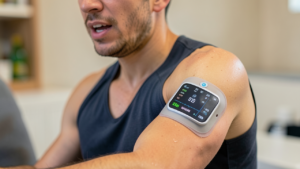
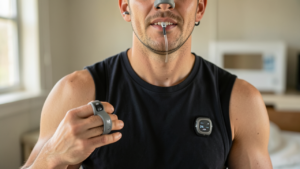
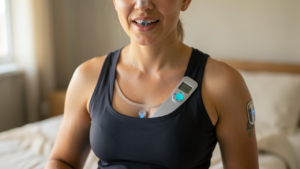
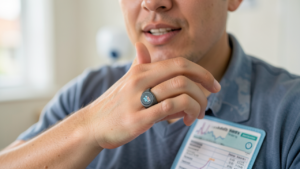
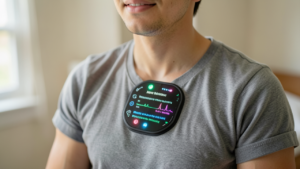
The PILLAR project’s RPM system continuously collects physiological data such as heart rate, activity levels, sleep patterns, and skin temperature from commercially available wearable devices (e.g., smartwatches or fitness trackers). This data is then combined with symptom reports (e.g., fatigue, joint pain, rashes) entered by patients via a smartphone application. The app also provides an interface for patients to input information about their medications and lifestyle habits. The collected data is transmitted to a cloud-based platform and analyzed by AI and machine learning algorithms. These algorithms identify patterns that deviate from an individual patient’s baseline, predicting potential lupus flares or increases in disease activity. This system enables clinicians to understand a patient’s condition in real-time and plan rapid interventions as needed. Parallel clinical research evaluates novel sensor technologies for detecting inflammatory and immunological biomarkers, aiming to further enhance the accuracy of lupus diagnosis and monitoring.
Background and Industry Context
Lupus is a chronic autoimmune disease that affects various organs throughout the body, including joints, skin, kidneys, heart, and lungs. Its symptoms are diverse and unpredictable, often characterized by cycles of flares and remission, making continuous monitoring and prompt treatment adjustments essential for effective disease management. However, in traditional healthcare models, long intervals between clinic visits often made it challenging to adequately capture symptoms and physiological changes in a patient’s daily life. This lack of information could lead to delayed treatment or suboptimal disease management. RPM technology is expected to be a powerful tool for addressing such challenges and realizing a patient-centric care model. Particularly, given the complexity of autoimmune diseases, the integration of digital biomarkers and AI is crucial for personalized understanding and management of the disease.
Strategic Significance & Outlook
The PILLAR project not only promises to transform care for lupus patients but also paves the way for the development of RPM systems in other chronic autoimmune diseases. The success of this system will contribute to improving patients’ quality of life, reducing disease-related complications, and lowering healthcare costs. In the future, it is anticipated that more types of wearable sensors capable of detecting a wider range of biomarkers and more advanced AI predictive models will be developed, enabling even earlier and more accurate prediction of disease progression. This will empower lupus patients to participate more actively in their health management, and healthcare providers to offer more personalized, proactive care. This initiative by UMass Chan Medical School will serve as an important model demonstrating how digital health can shape the future of chronic disease management.
Get our weekly technology intelligence — free
Receive an infographic that lets you judge at a glance whether each field’s analysis report is worth reading.
Subscribe Free — Weekly Tech Intelligence
By subscribing, you’ll receive Troy-Technical’s weekly technology intelligence newsletter.
- Your email and selected fields are used only to deliver the newsletter.
- We never share your information with third parties.
- You can unsubscribe anytime via the link in each email.
See our Privacy Policy for details.
Takes about a minute · Unsubscribe anytime



Comments