Key Findings
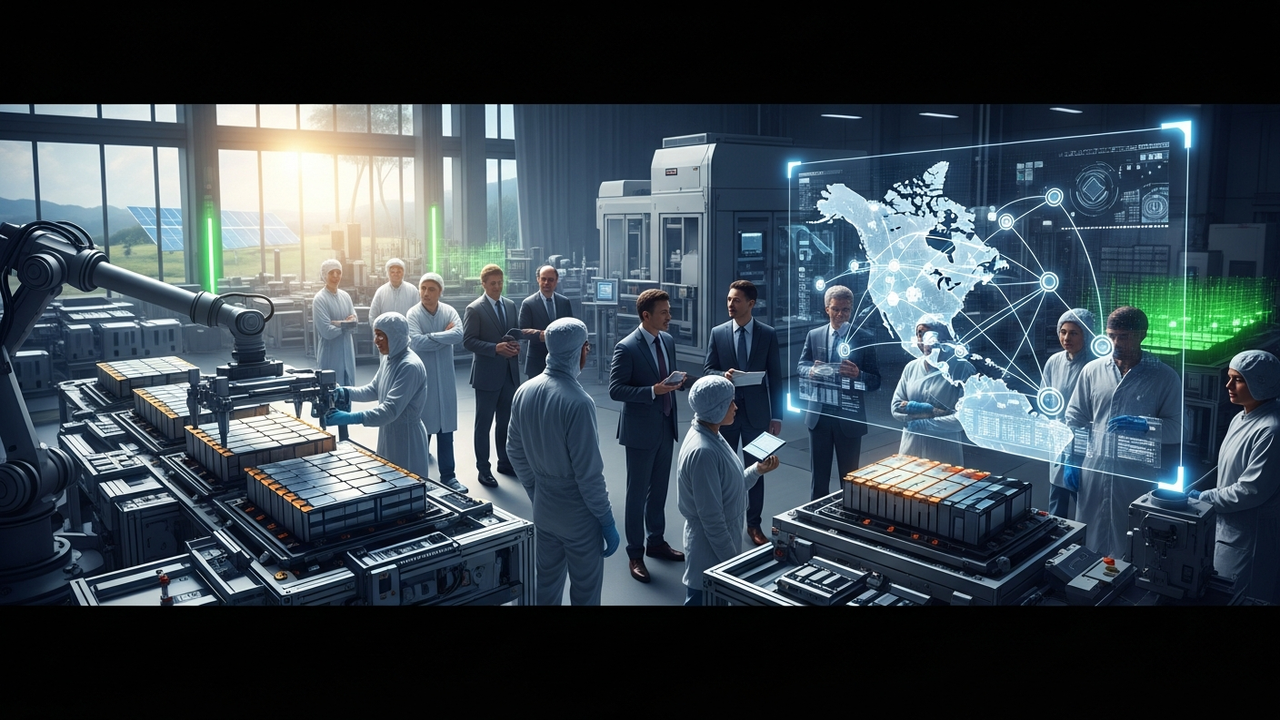
The U.S. Inflation Reduction Act (IRA), through its comprehensive incentive programs, is attracting a record scale of investment into the development of the battery supply chain across North America. This legislation strongly supports investment at every stage of the battery value chain, from domestic mining and processing of battery materials to the manufacturing of battery cells and packs, and recycling. As a result, multi-billion dollar plans for new factory constructions and expansions of existing facilities have been announced, dramatically boosting North American battery production capacity.
Technical / Clinical Details
Key IRA incentives include clean vehicle tax credits (up to $7,500), advanced manufacturing production tax credits ($35 per kWh for battery cells, $10 per kWh for battery modules), and battery material processing credits. These tax credits not only provide direct benefits to end consumers but are also designed to encourage the use of domestically produced materials and components at each stage of the supply chain. This is accelerating ‘onshoring’ strategies for battery manufacturers, aiming to complete the entire process from material procurement to final product assembly within North America. Notably, manufacturing capacities for both LFP (lithium iron phosphate) and NMC (nickel-manganese-cobalt) battery cells are being significantly expanded.
Background & Context
With the rapid growth of the electric vehicle (EV) market and the expansion of renewable energy integration, batteries have become a strategic resource in the modern economy. However, the battery supply chain has historically been concentrated in a few countries, primarily China, leading to geopolitical risks and concerns about supply disruptions. The IRA is a strategic measure to address this vulnerability and build a resilient and sustainable supply chain led by the U.S. and its allies. This extends beyond mere economic policy, serving the broader objectives of strengthening U.S. national security and industrial competitiveness.
Strategic Significance & Outlook
The investment spurred by the IRA has the potential to transform North America into one of the global hubs for battery manufacturing and recycling. In the coming years, more battery material processing facilities, cell manufacturing plants, and recycling facilities will come online, establishing a robust domestic battery production ecosystem. This will stabilize the cost of electric vehicles and energy storage systems and enhance supply chain resilience. In the long term, the IRA is expected to revitalize U.S. manufacturing, create new jobs in the clean energy economy, and play an indispensable role in achieving global decarbonization goals. However, challenges such as potential cost increases associated with shifting away from the Chinese market also exist.
Source: #
Get our weekly technology intelligence — free
Receive an infographic that lets you judge at a glance whether each field’s analysis report is worth reading.
Subscribe Free — Weekly Tech Intelligence
By subscribing, you’ll receive Troy-Technical’s weekly technology intelligence newsletter.
- Your email and selected fields are used only to deliver the newsletter.
- We never share your information with third parties.
- You can unsubscribe anytime via the link in each email.
See our Privacy Policy for details.
Takes about a minute · Unsubscribe anytime







Comments