Background
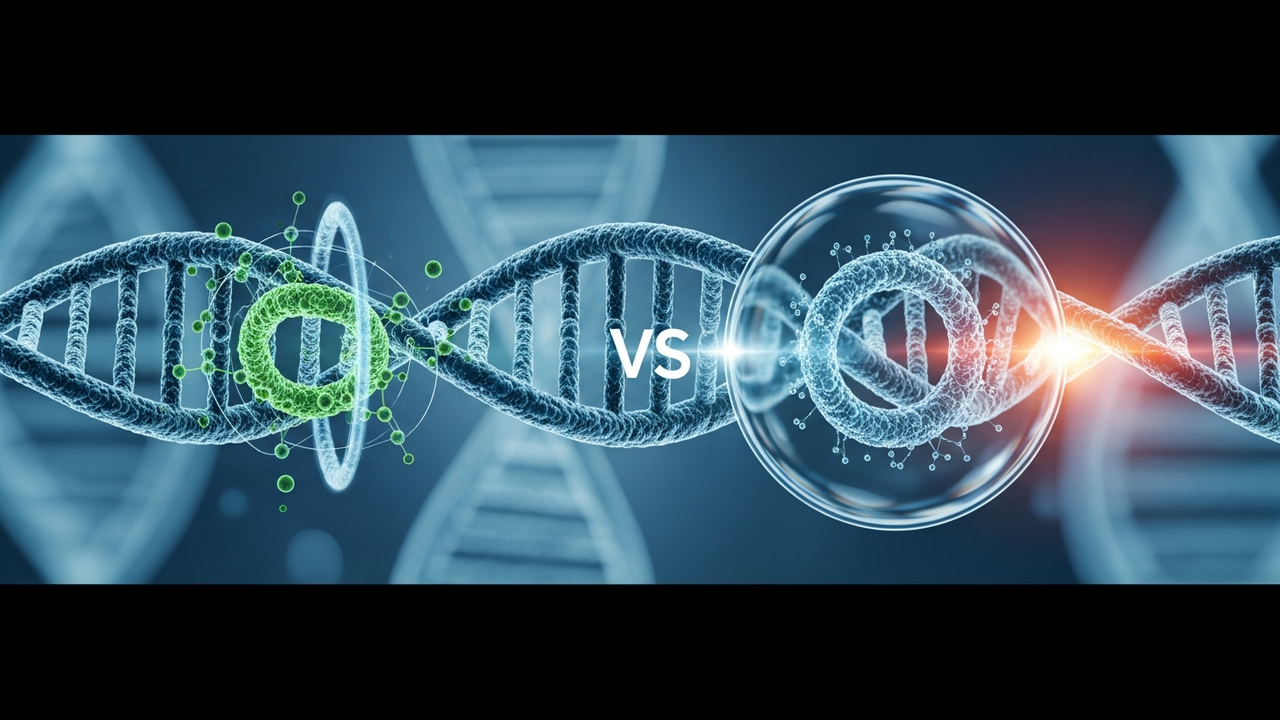
Gene therapy holds immense promise for treating numerous intractable diseases, but its practical application hinges on the development of efficient and safe gene delivery systems. While viral vectors offer high efficiency, they face challenges such as immunogenicity, manufacturing costs, and limited payload capacity. Consequently, research and development into non-viral DNA delivery systems have intensified as a safer and more flexible alternative.
Key Findings / Results
Eli Lilly, a leading pharmaceutical company, has agreed to acquire Engage Biologics, a firm specializing in innovative non-viral DNA delivery platforms, for a deal potentially valued up to $202 million. This acquisition is part of Lilly’s broader strategy to bolster its next-generation gene therapy development portfolio and explore novel therapeutic modalities for a wider array of diseases.
- Tethosome Technology: Engage Biologics’ proprietary “Tethosome” technology is specifically designed to overcome critical, long-standing challenges in non-viral DNA delivery: therapeutic efficacy (potency), safety (tolerability), and the potential for repeat dosing (redosability). This technology, when integrated with lipid nanoparticle (LNP) delivery systems, aims to improve the precision of targeting specific cells or tissues and enhance the expression levels of the therapeutic gene.
- Technical Advantages: Traditional non-viral delivery systems often struggled with gene transfection efficiency into cells and stability within the body. Tethosome potentially resolves these issues, enabling more efficient and safer gene transfer. The combination with LNP technology, leveraging insights from existing mRNA vaccine technologies, significantly broadens the potential for DNA-based gene therapies.
- Lilly’s Strategy: Eli Lilly has been accelerating its investments in advanced modalities like gene and cell therapies in recent years, and the acquisition of Engage Biologics aligns with this strategy. This move enables Lilly to advance the development of safer and more effective gene therapies across various disease areas, particularly rare diseases and oncology.
Technical Significance & Outlook
This acquisition clearly indicates the increasing importance of non-viral delivery systems in the gene therapy landscape. The integration of Tethosome technology with LNPs represents a crucial step towards improving the safety and efficacy of gene therapies, overcoming the limitations of conventional viral vectors. In the long term, this technology is expected to provide new therapeutic options for a wide range of conditions, including chronic diseases, genetic disorders, and cancer, making gene therapy accessible to more patients. Lilly’s gene therapy pipeline will be significantly strengthened, and this development could accelerate the broader industry’s focus on non-viral delivery technologies, driving innovation in drug delivery mechanisms globally.
Source: https://www.gurufocus.com/news/8872334/eli-eli-lilly-acquires-engage-biologics-for-202-million








Comments