Key Findings
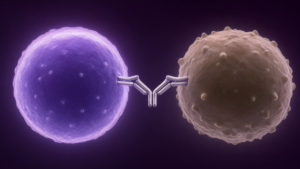
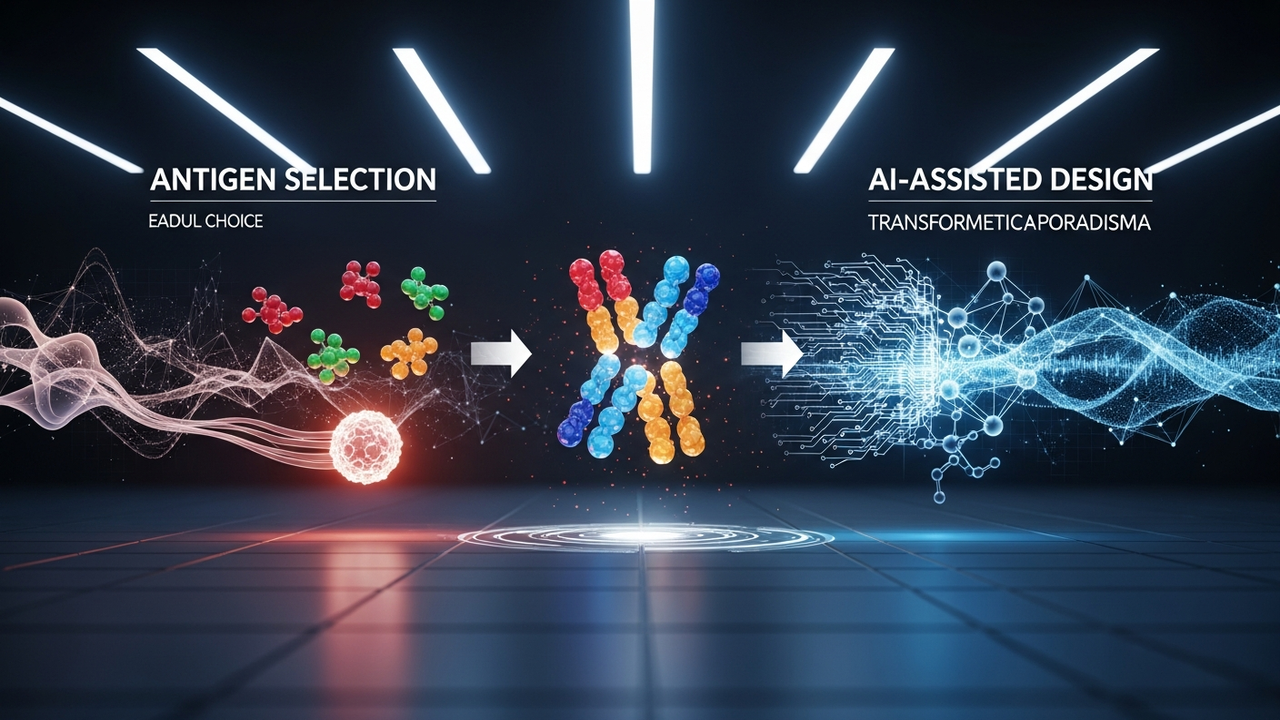
Antibody-drug conjugates (ADCs) have matured into a therapeutic platform of exponentially increasing clinical relevance in recent years, becoming an established modality in cancer treatment. This evolution is underpinned by continuous technological innovation in ADC design and development. A recent review highlights key advancements in ADC development, ranging from refined antigen selection and antibody engineering to innovative linkers and payloads, site-specific conjugation, and artificial intelligence (AI)-assisted design. It underscores that data-driven approaches will be pivotal in transforming future therapeutic paradigms.
Technical/Clinical Details
Maximizing the efficacy and safety of ADCs depends on several critical design elements. Firstly, appropriate ‘antigen selection’ is crucial for ADCs to bind specifically to cancer cells while minimizing impact on healthy tissues. Secondly, advances in ‘antibody engineering’ have improved antibody binding affinity, stability, and pharmacokinetic properties, enabling more effective targeting of cancer cells. Notably, the use of bispecific antibodies now allows for simultaneous targeting of multiple antigens. ‘Linker and payload innovations’ are paramount for improving the ADC’s therapeutic index. Stable linkers prevent premature payload release in systemic circulation and are designed to efficiently release the payload in specific intracellular environments. Payloads themselves are evolving, with new cytotoxic agents and immunostimulatory molecules being developed to circumvent various resistance mechanisms. ‘Site-specific conjugation’ technology enables precise control over the payload attachment sites on the antibody, facilitating the manufacturing of ADCs with a uniform drug-to-antibody ratio (DAR). This enhances ADC reproducibility and the predictability of clinical outcomes. Furthermore, ‘AI-assisted design’ is gaining significant attention. AI can analyze vast datasets to explore design spaces far beyond human intuition in antigen selection, antibody sequence optimization, linker stability prediction, payload toxicity assessment, and overall pharmacokinetic prediction for candidate ADCs. This is expected to shorten development times and improve success rates.
Background & Context
ADCs have continuously evolved as breakthrough drugs since their inception, serving as a prime example of precision medicine in cancer treatment. While conventional chemotherapy often entails systemic toxicity, ADCs aim to reduce side effects and enhance therapeutic efficacy by increasing target specificity. ADCs have already become a part of standard care in many solid tumors such as breast, lung, and gastric cancers, improving patient outcomes. However, challenges like drug resistance and the toxicity profiles observed with some ADCs still exist. To overcome these, the pharmaceutical industry is actively investing in the design and development of more sophisticated ADCs, with diverse technology platforms competitively advancing.
Strategic Significance & Outlook
The continued progress in data-driven ADC design approaches is essential for shaping the future of cancer therapy. Further integration of AI and machine learning will streamline the ADC discovery and development process even more, accelerating the creation of personalized therapeutics. Next-generation ADCs, such as bispecific ADCs, triple-payload ADCs, or ISACs (Immuno-Stimulatory Antibody Conjugates) with immunomodulatory functions, hold the potential to offer new treatment options for currently hard-to-treat cancers and patients resistant to existing ADCs. These advancements are expected to significantly contribute to improved survival rates and quality of life for cancer patients, paving the way for ADCs to be applied across an even broader range of disease areas in the future.
Source: https://www.mdpi.com/2072-6694/18/13/2102
Get our weekly technology intelligence — free
Receive an infographic that lets you judge at a glance whether each field’s analysis report is worth reading.
Subscribe Free — Weekly Tech Intelligence
By subscribing, you’ll receive Troy-Technical’s weekly technology intelligence newsletter.
- Your email and selected fields are used only to deliver the newsletter.
- We never share your information with third parties.
- You can unsubscribe anytime via the link in each email.
See our Privacy Policy for details.
Takes about a minute · Unsubscribe anytime