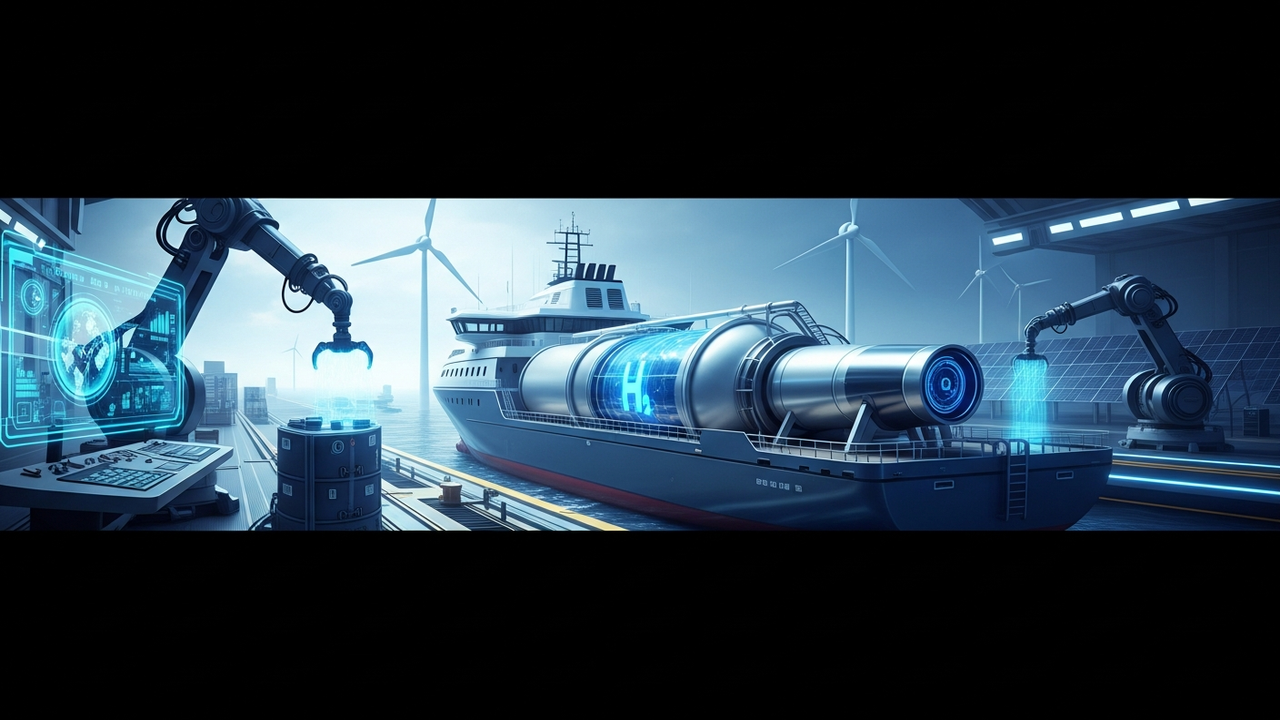
Background: The Maritime Decarbonization Imperative
The global shipping industry confronts an urgent mandate to decarbonize, propelled by ambitious greenhouse gas reduction targets set by the International Maritime Organization (IMO). While a diverse array of alternative fuel solutions is emerging, each presents distinct technical, economic, and infrastructural hurdles. The consistent supply and scalable utilization of truly zero-emission fuels for large commercial vessels remain fragmented, underscoring a critical need for concerted, industry-wide collaboration.
The Global Liquid Hydrogen Alliance: A Unified Approach
In direct response to these pressing challenges, the Zero Emissions Ship Technology Association (ZESTAs) unveiled the formation of the “Global Liquid Hydrogen Alliance” at a high-profile policy event in London. This Alliance is explicitly tasked with accelerating the adoption of green liquid hydrogen as a viable and sustainable fuel, aiming to achieve genuine net-zero emissions across the maritime sector.
- Stakeholder Collaboration: The Alliance convenes a diverse consortium of stakeholders spanning the entire liquid hydrogen supply chain. This includes shipowners, advanced technology providers, pivotal port authorities, green energy producers, and governmental partners from numerous nations.
- Core Objectives: Its primary aim is to forge a cohesive, end-to-end approach for the liquid hydrogen fuel pathway, encompassing production, supply, storage, and on-board utilization. Specifically, the Alliance endeavors to harmonize regulatory frameworks, develop robust technical standards, formulate comprehensive safety protocols, and facilitate the sharing of crucial operational expertise.
- Addressing Fragmentation: A significant barrier to maritime decarbonization has been the pervasive regulatory uncertainty surrounding alternative fuels, compounded by insufficient infrastructure investment and fragmented technical knowledge. The Alliance is committed to comprehensively tackling these issues by integrating and streamlining the entire liquid hydrogen ecosystem.
Anticipated Impact and Future Outlook
The formation of this Global Liquid Hydrogen Alliance has the potential to mark a significant turning point in the shipping industry’s decarbonization journey. Liquid hydrogen, lauded for its high energy density and truly zero-emission profile, holds particular promise for long-distance, heavy-duty marine transport applications. Through the Alliance’s concerted activities, a strengthened liquid hydrogen supply chain and the realization of economies of scale could catalyze a large-scale fuel transition within the maritime sector. This pivotal shift is anticipated to contribute substantially to reducing global air pollution and mitigating climate change.
Source: #




Comments