Key Findings
California’s substantial financial commitment to hydrogen as a cornerstone of its green energy strategy is reportedly in decline, with BloombergNEF analysts starkly declaring the West Coast hydrogen industry “already dead.” This critical assessment stems from prohibitively high costs and a significant lack of reliable infrastructure, undermining the state’s ambitious clean energy goals.
Technical Details and Infrastructure Failures
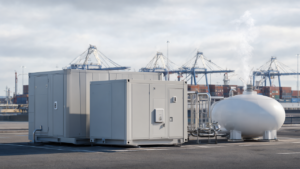
In California, the cost of hydrogen is approximately four times higher per mile than gasoline, rendering it commercially uncompetitive for mainstream adoption. This economic disadvantage is compounded by severe infrastructure deficiencies: about one-third of the state’s hydrogen fueling stations are currently out of order, leading to unreliable service and significant inconvenience for users. While California has explored pivoting towards hydrogen for heavier transport sectors, such as buses, trucks, and port equipment, these initiatives have also struggled to gain significant traction. The technical and logistical challenges of establishing a robust and affordable hydrogen supply chain, from production to distribution, have proven to be more formidable than initially anticipated.
Background and Industry Context
California, once a global leader in promoting clean energy and hydrogen fuel cell technology, invested heavily in public funds to build out a hydrogen ecosystem. However, the market has failed to meet initial optimistic projections, grappling not only with technical complexities but also with fundamental issues of economic viability and inadequate policy support. The high costs associated with hydrogen production, compression, transportation, and storage present substantial barriers for both consumers and businesses. Furthermore, state and federal policy support for hydrogen has been perceived as less robust compared to that for electric vehicles (EVs), contributing to the slower pace of hydrogen infrastructure development. This situation is emblematic of broader challenges facing the hydrogen economy in the U.S., necessitating a reevaluation of strategies and the development of more sustainable business models.
Strategic Significance and Outlook
The setbacks in California’s hydrogen endeavors prompt a critical reassessment of hydrogen’s role within the broader clean energy transition. For policymakers, industry leaders, and researchers, this presents an opportunity to devise new strategies, including focusing on technological innovations for cost reduction, building more robust and reliable infrastructure, and potentially concentrating on niche applications where hydrogen offers unique advantages. Overcoming the cost barrier through improved efficiency in green hydrogen production and supply chain optimization will be paramount. Without these concerted efforts, California’s ambitious decarbonization targets may remain elusive, and hydrogen’s potential as a viable component of the clean energy portfolio could be further diminished, impacting global efforts to combat climate change.
Get our weekly technology intelligence — free
Receive an infographic that lets you judge at a glance whether each field’s analysis report is worth reading.
Subscribe Free — Weekly Tech Intelligence
By subscribing, you’ll receive Troy-Technical’s weekly technology intelligence newsletter.
- Your email and selected fields are used only to deliver the newsletter.
- We never share your information with third parties.
- You can unsubscribe anytime via the link in each email.
See our Privacy Policy for details.
Takes about a minute · Unsubscribe anytime