Key Findings
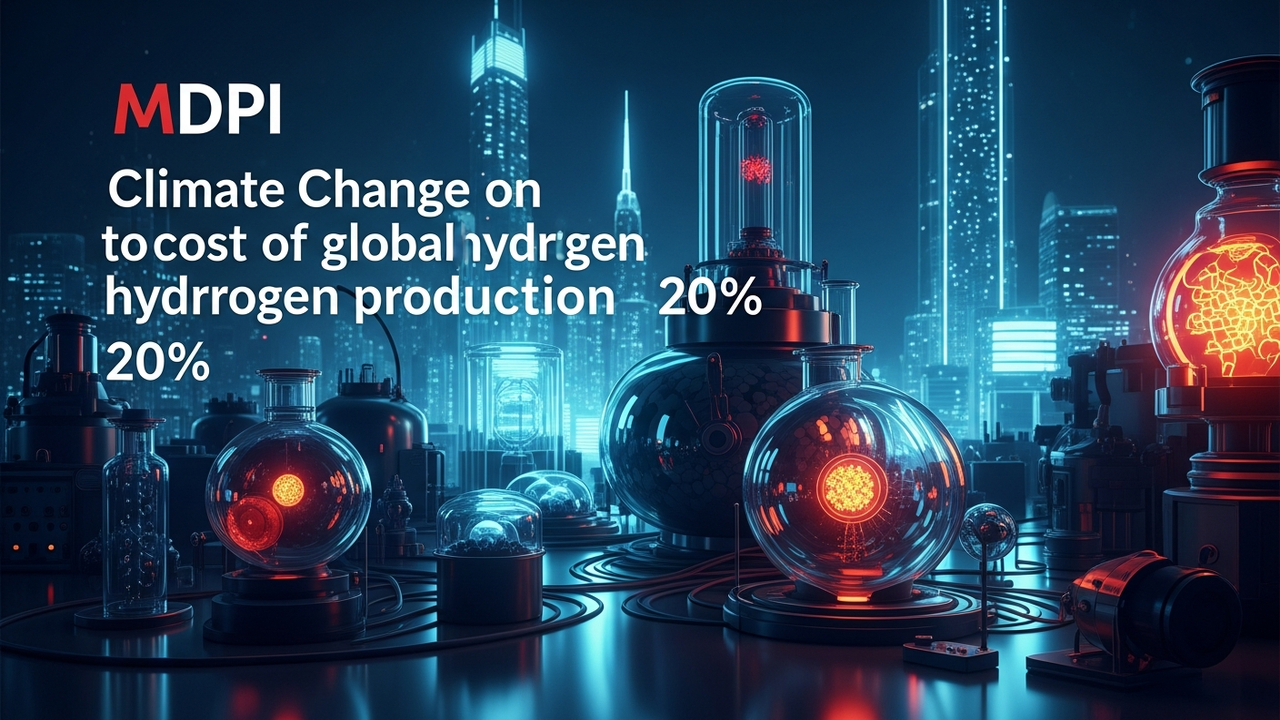
Recent research on green hydrogen production, published in MDPI, points to a significant potential impact of climate change on the Levelized Cost of Hydrogen (LCOH) globally. The analysis reveals that under future climate change scenarios, green hydrogen production costs could increase by up to 20% in specific regions. Furthermore, approximately 16% of global locations are projected to experience LCOH changes exceeding 5%, with potential reductions observed in Southeast Asia and Europe, while some areas in North America might face increases. This study underscores the critical need for proactive investment strategies to adapt to the climatic variations that will influence renewable hydrogen production.
Technical & Clinical Details
The study employed a green hydrogen production model combining photovoltaic (PV) and wind power for electrolysis, evaluating how future climate change affects renewable energy resources such as solar irradiance and wind speed. Climate change alters regional average temperatures, precipitation, and weather patterns, which directly impact the efficiency of solar panels and the capacity factor of wind turbines. For instance, higher temperatures can reduce PV panel efficiency, and fluctuating wind resources in specific areas affect electrolyzer utilization. LCOH is determined by key factors like electricity price, capacity factor, and electrolyzer Capital Expenditure (CAPEX), thus climate-related changes in these elements drive LCOH variability. The research conducted multi-location simulations accounting for these climate-driven variations.
Background & Context
Green hydrogen is expected to be an indispensable energy carrier for achieving global decarbonization targets, but its economic viability heavily depends on the stability and cost of renewable energy supply. The fact that climate change itself influences renewable energy resources introduces a critical variable that must be considered in green hydrogen strategy formulation. Many previous projections for the hydrogen economy were based on current climatic conditions or average renewable energy resource availability. This research highlights the need for more robust planning that incorporates the uncertainties of future climate change. It is particularly important for nations considering the establishment of international hydrogen supply chains to understand which regions might be more climate-resilient production sites.
Strategic Significance & Outlook
These research findings emphasize the importance of proactively evaluating and implementing adaptive measures against future climate change impacts in green hydrogen project investment strategies. Future LCOH projections must integrate region-specific climate change effects; therefore, investors need to consider hedging strategies against climate risks. Researchers and engineers will likely accelerate studies on developing climate-resilient renewable energy systems and electrolyzer technologies, as well as optimizing site selection for production across different regions. Policymakers must support the development of climate-resilient hydrogen infrastructure and explore incentives to mitigate climate-induced risks. This will enable the construction of a more sustainable and stable green hydrogen economy.






Comments