Key Findings
The integration of AI and robotics into pharmaceutical manufacturing is yielding substantial returns on investment (ROI) under Good Manufacturing Practices (GMP) regulations. Actual deployments in automated drug discovery labs, aseptic fill-lines, and smart warehouses have demonstrated impressive 15-45% improvements in Overall Equipment Effectiveness (OEE) and successfully eliminated defects. Notably, AI-powered computer-vision inspection systems are twice as effective at detecting defects as human operators, performing at seven times the speed.
Technical / Clinical Details
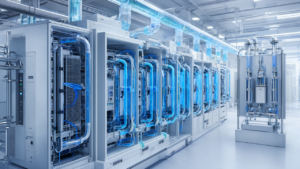
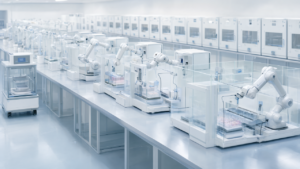
AI and robotics are being applied across critical stages of pharmaceutical production. In drug discovery, AI-driven systems automate high-throughput screening and synthesis optimization, accelerating lead compound identification. Aseptic fill-lines utilize precision robots for sterile filling and packaging, significantly reducing human error and contamination risks. Smart warehouses leverage AI for optimized inventory management, automated picking, and dispatch, streamlining the entire supply chain. These systems often incorporate advanced sensor arrays, high-speed processing units, and deep learning algorithms to perform complex tasks autonomously, providing real-time quality monitoring and process control that far surpasses conventional methods. The payback period for these well-scoped projects typically ranges from 12 to 24 months, indicating rapid economic benefits.
Background & Context
The pharmaceutical industry, characterized by stringent regulatory oversight, high quality standards, and complex processes, has historically been cautious about adopting new technologies. However, escalating labor costs, workforce shortages, and increasing demands for product traceability have necessitated a re-evaluation of automation strategies. The successful integration of AI and robotics under GMP demonstrates that these technologies not only meet regulatory requirements but also deliver tangible economic advantages. The improvements in OEE and defect elimination are crucial for reducing manufacturing costs, accelerating time-to-market, and ensuring a stable supply of critical medications.
Strategic Significance & Outlook
The widespread adoption of AI and robotics in pharmaceutical manufacturing is poised to accelerate the industry’s digital transformation. These technologies are expected to expand into even more diverse production and quality control processes, gaining greater autonomy and intelligence. Future advancements may include predictive maintenance driven by AI analytics, flexible production systems tailored for personalized medicine, and end-to-end supply chain optimization. This technological shift is a strategic imperative for pharmaceutical companies seeking to enhance competitiveness and ultimately deliver safer, more efficient medicines to patients globally. The proven ROI and operational benefits will likely drive further investment and innovation in this critical sector.
Source: https://intuitionlabs.ai/articles/ai-robotics-pharma-gmp-manufacturing
Get our weekly technology intelligence — free
Receive an infographic that lets you judge at a glance whether each field’s analysis report is worth reading.
Subscribe Free — Weekly Tech Intelligence
By subscribing, you’ll receive Troy-Technical’s weekly technology intelligence newsletter.
- Your email and selected fields are used only to deliver the newsletter.
- We never share your information with third parties.
- You can unsubscribe anytime via the link in each email.
See our Privacy Policy for details.
Takes about a minute · Unsubscribe anytime