Key Findings
The Antibody-Drug Conjugate (ADC) landscape underwent a remarkable transformation and strategic shift in 2025. According to tracking from a leading database (Beacon ADC database), the total number of ADCs identified reached 2,334. Crucially, novel ADC formats recorded an astonishing 88% increase year-over-year. This burgeoning activity is further highlighted by the advancement of 130 new ADC candidates into clinical development, strongly signaling that the ADC field is moving beyond mere platform validation into an exciting era characterized by diverse technologies and approaches.
Technical / Clinical Details
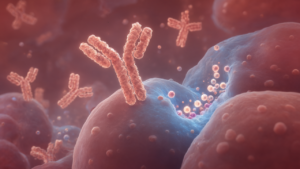
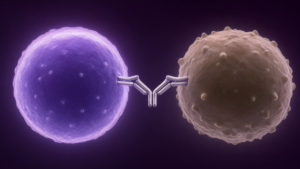
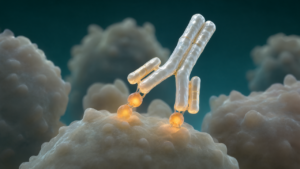
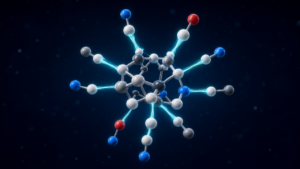
ADCs are precision oncology therapeutics that combine the high specificity of antibodies with the potent cytotoxicity of small molecule drugs via a chemical linker. Their primary aim is to deliver cytotoxic agents directly to cancer cells, maximizing therapeutic effect while minimizing systemic toxicity. The rapid evolution of new ADC formats is a key highlight of this review. This includes the development of novel payload classes, more stable linkers, conjugation technologies for precise drug-to-antibody ratio (DAR) control, and the emergence of bispecific ADCs that engage multiple targets. These innovations collectively improve the therapeutic index of ADCs and enable their expansion into a broader spectrum of cancer types. The 130 new candidates entering clinical development span a wide array of targets and tumor indications, reflecting the increasing versatility and applicability of ADC technology.
Background & Context
In recent years, ADCs have firmly established themselves as a cornerstone modality in cancer therapy, driven by the clinical success of agents such as trastuzumab emtansine (T-DM1) and Enhertu (trastuzumab deruxtecan). These successful cases have deepened the understanding of ADC design principles and spurred the development of more effective and safer next-generation ADCs. The 2025 data indicate an unprecedented acceleration in R&D within this sector, with numerous pharmaceutical and biotechnology companies heavily investing in building and expanding their ADC pipelines. There’s a noticeable trend towards exploring not only single targets but also multi-target approaches and combinations of payloads with different mechanisms of action. ADCs are increasingly viewed as central to driving the future of cancer treatment.
Strategic Significance & Outlook
The ongoing diversification within the ADC field is expected to continue generating waves of innovation. Future prospects include the discovery of new targets, AI-powered design optimization, applications in personalized medicine, and an expanded scope beyond solid tumors to include hematological malignancies and autoimmune diseases. Over the coming years, many more ADCs are anticipated to successfully navigate clinical trials and gain market approval. This will offer patients more effective and better-tolerated treatment options, leading to overall improvements in cancer patient outcomes. However, challenges related to manufacturing scalability, cost optimization, and adapting to evolving regulatory landscapes will be crucial for the sustained growth of this dynamic field.
Source: https://www.chemexpress.com/news-and-events/news/191
Get our weekly technology intelligence — free
Receive an infographic that lets you judge at a glance whether each field’s analysis report is worth reading.
Subscribe Free — Weekly Tech Intelligence
By subscribing, you’ll receive Troy-Technical’s weekly technology intelligence newsletter.
- Your email and selected fields are used only to deliver the newsletter.
- We never share your information with third parties.
- You can unsubscribe anytime via the link in each email.
See our Privacy Policy for details.
Takes about a minute · Unsubscribe anytime