Key Findings
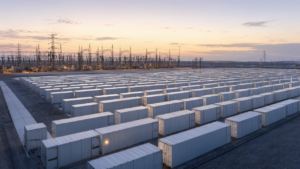
Across China, a multitude of large-scale energy storage projects, involving both lithium-ion and sodium-ion batteries, have received approval or commenced construction. Notably, CALB’s 110 GWh energy storage battery project has been approved, with plans to establish an annual production capacity of 50 GWh for energy storage batteries and 60 GWh for battery systems. Simultaneously, Nayuan Technology has broken ground on a 10 GWh sodium-ion battery production project in Ningxia. These significant investments underscore China’s strategic initiatives to solidify its leadership in the global energy storage market.
Technical Details
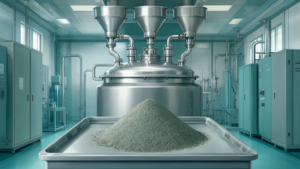
CALB’s approved project is designed to produce 50 GWh of energy storage batteries and 60 GWh of battery systems annually, catering to extensive grid integration and industrial applications. Nayuan Technology’s sodium-ion battery project, however, specifically focuses on advancing next-generation battery technology. The first phase of construction for this project includes setting up production lines for critical materials:
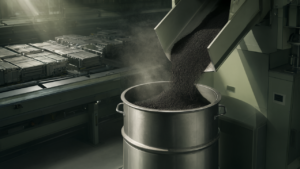
- Composite Sodium Iron Phosphate Cathode Materials: With an annual production capacity of 60,000 tons, these materials serve as a primary cathode for sodium-ion batteries, known for their cost-effectiveness and inherent safety.
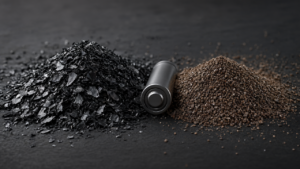
- Hard Carbon Anode Materials: Targeting an annual capacity of 30,000 tons. Hard carbon is a crucial anode material for sodium-ion batteries, effectively accommodating the larger size of sodium ions compared to graphite, which is typically used in lithium-ion batteries, thereby ensuring superior performance.
These capacities for material production are vital for vertically integrating the sodium-ion battery supply chain, ensuring stable supply and competitive costs.
Background & Industry Context
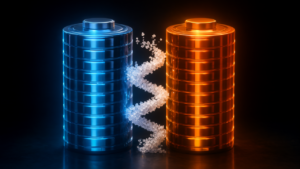
China is aggressively investing in energy storage technologies to accelerate renewable energy deployment and enhance grid stability. While lithium-ion batteries remain dominant, the rising costs and finite resources of lithium are driving increased interest in alternative technologies like sodium-ion batteries. Sodium-ion batteries are favored due to the abundance and lower cost of their raw materials, along with the ability to leverage existing lithium-ion battery manufacturing infrastructure, promising rapid commercialization. These projects are critical steps in China’s continuous evolution and maintenance of its position as a global battery manufacturing powerhouse.
Strategic Significance & Outlook
The large-scale projects by CALB and Nayuan Technology are expected not only to drive the growth of China’s entire energy storage industry but also to significantly boost the global adoption of sodium-ion batteries. Specifically, Nayuan Technology’s integrated production system, from materials to cells, will accelerate technological innovation and cost reduction, facilitating the widespread use of next-generation batteries. These investments further highlight China’s crucial role in global efforts towards decarbonization and achieving energy security, demonstrating a clear commitment to sustainable energy solutions.
Source: https://www.energytrend.com/news/20260618-51617.html
Get our weekly technology intelligence — free
Receive an infographic that lets you judge at a glance whether each field’s analysis report is worth reading.
Subscribe Free — Weekly Tech Intelligence
By subscribing, you’ll receive Troy-Technical’s weekly technology intelligence newsletter.
- Your email and selected fields are used only to deliver the newsletter.
- We never share your information with third parties.
- You can unsubscribe anytime via the link in each email.
See our Privacy Policy for details.
Takes about a minute · Unsubscribe anytime