Background & Context
Globally, there is an escalating imperative for industries to address climate change and reduce their carbon footprint. Manufacturers are increasingly setting ambitious targets for emissions reduction across their entire supply chains and accelerating the transition to renewable energy. Henkel, with its ambitious goal to achieve climate-positive operations across all its businesses by 2040, views the Alrode plant’s achievement as a crucial step towards this overarching objective. Given that adhesive technology manufacturing is an energy-intensive sector, achieving carbon neutrality in a large-scale facility like Alrode sends a powerful message and sets a precedent for sustainable practices within the broader industry.
Key Findings
Henkel South Africa’s Alrode production facility has successfully achieved carbon neutrality, operating at net-zero emissions since June 2026. This significant milestone was driven by the implementation of a substantial solar energy installation and a strategic shift away from fossil fuels in its manufacturing processes.
Technical & Implementation Details
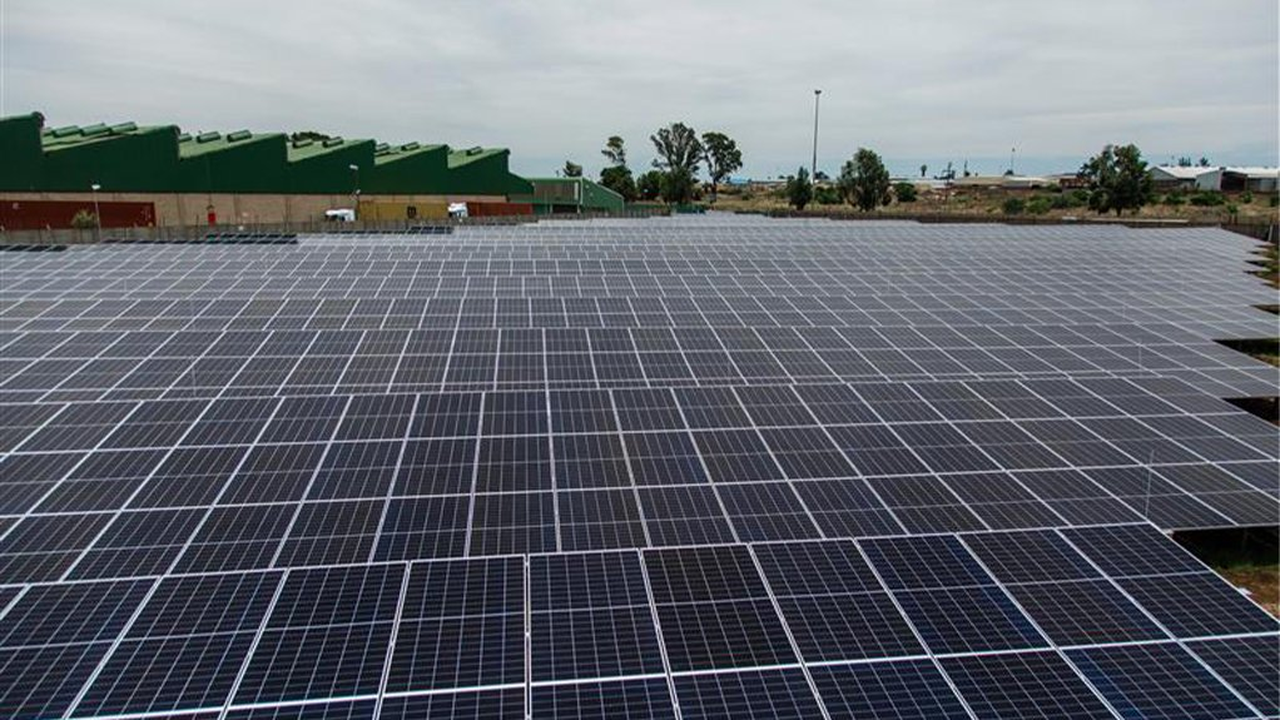
The core of the Alrode plant’s carbon neutrality achievement is a 1.8 MWp (megawatt-peak) solar installation situated on-site, which now provides approximately 65% of the factory’s electricity needs from renewable sources. The remaining power requirements are met through the procurement of renewable energy from South African utility providers and the utilization of verified carbon offset credits. Additionally, the plant undertook a comprehensive transition from fossil fuels, previously used for heating and other processes, to high-efficiency electric alternatives. This integrated approach has effectively eliminated the facility’s direct greenhouse gas emissions, establishing a fully carbon-neutral operational footprint.
Strategic Significance & Outlook
The carbon neutrality of the Alrode plant serves as a beacon of success within Henkel’s global sustainability strategy, likely encouraging similar initiatives across its other production sites. This accomplishment clearly demonstrates the company’s commitment to sustainable manufacturing processes to its customers and investors, thereby enhancing its brand value and corporate reputation. Moving forward, Henkel is expected to continue decarbonizing its entire manufacturing footprint, alongside improving the environmental performance of its adhesive products. This strategic direction positions Henkel as a leading role model for corporations integrating climate action at the core of their business strategy, demonstrating that industrial operations can be both productive and environmentally responsible.
Get our weekly technology intelligence — free
Receive an infographic that lets you judge at a glance whether each field’s analysis report is worth reading.
Subscribe Free — Weekly Tech Intelligence
By subscribing, you’ll receive Troy-Technical’s weekly technology intelligence newsletter.
- Your email and selected fields are used only to deliver the newsletter.
- We never share your information with third parties.
- You can unsubscribe anytime via the link in each email.
See our Privacy Policy for details.
Takes about a minute · Unsubscribe anytime