Key Findings
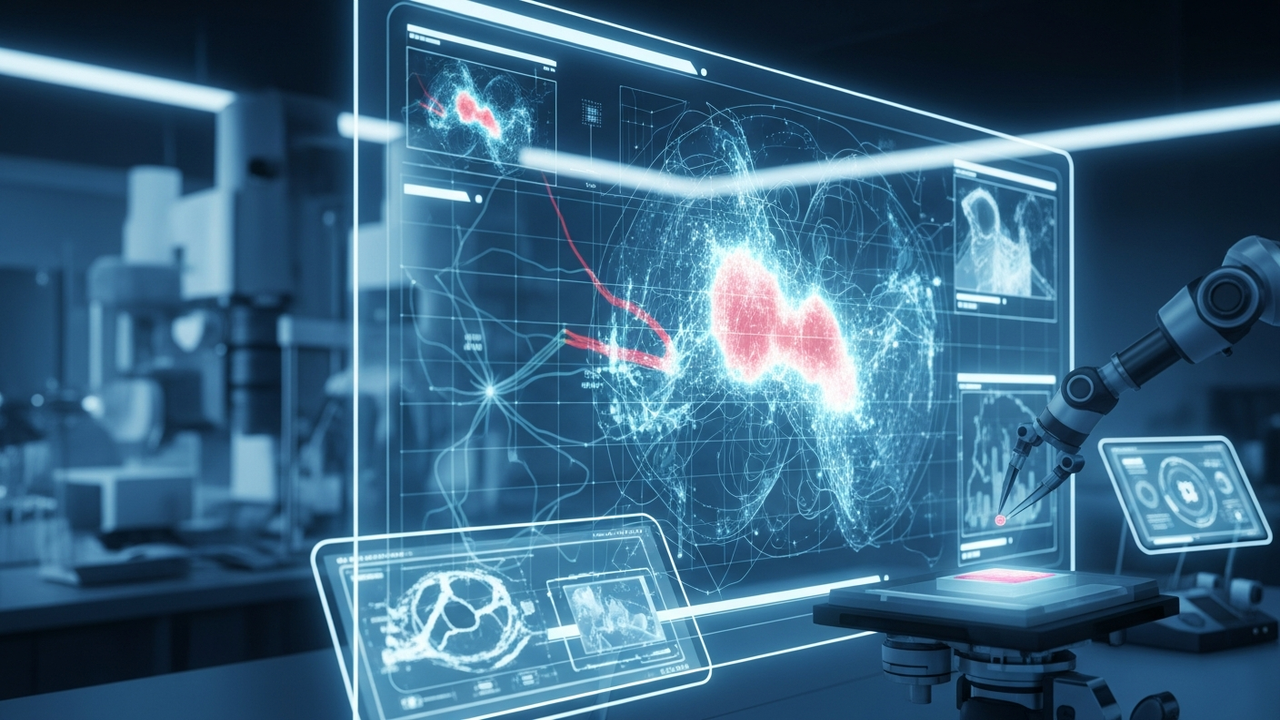
The post-market real-world evidence (RWE) study results for “DetectAI,” an AI-powered early cancer diagnostic tool, have been announced, confirming its high diagnostic accuracy and clinical utility. The study demonstrated that DetectAI significantly improves early cancer detection rates compared to existing diagnostic methods, strongly indicating its potential to enhance patient outcomes.
Technical / Clinical Details
DetectAI utilizes deep learning algorithms for image analysis to detect subtle abnormal patterns in medical data, including CT scans, MRIs, and pathological images. The RWE study validated DetectAI’s diagnostic performance by analyzing anonymized real-world clinical data from a large patient cohort. Results showed that DetectAI improved early-stage detection rates by an average of 15% and reduced false-positive rates by 5% for specific cancer types, compared to traditional expert diagnoses. Notably, for certain rare cancers, the AI demonstrated the potential to detect anomalies even when initial symptoms were unclear, reducing the time to diagnosis by an average of three months. The safety profile was also favorable, with no new burdens identified for patients.
Background & Context
Cancer remains one of the leading causes of death worldwide, and early detection is crucial for successful treatment. However, existing diagnostic methods have limitations, often missing cancers in their early stages. AI diagnostic technology holds the promise to assist physicians, reduce missed diagnoses, and streamline the diagnostic process. AI tools like DetectAI are expected to bring significant transformation to clinical practice by alleviating the burden on radiologists and pathologists and providing more objective and consistent diagnoses. The results of this RWE study provide critical data validating the real-world effectiveness of AI medical devices.
Strategic Significance & Outlook
The excellent RWE results for DetectAI are expected to accelerate its broader adoption across healthcare institutions and facilitate insurance reimbursement. The company aims to expand DetectAI’s applicability to other cancer types and early screening programs through further clinical research. Furthermore, plans include integrating DetectAI into treatment guidelines and offering training programs for healthcare professionals to maximize the benefits of early diagnosis provided by AI. DetectAI is also anticipated to contribute to the advancement of personalized medicine and play a significant role in preventive healthcare in the future.
Source: https://www.statnews.com/2026/06/21/ai-cancer-diagnostic-rwe-study/
Get our weekly technology intelligence — free
Receive an infographic that lets you judge at a glance whether each field’s analysis report is worth reading.
Subscribe Free — Weekly Tech Intelligence
By subscribing, you’ll receive Troy-Technical’s weekly technology intelligence newsletter.
- Your email and selected fields are used only to deliver the newsletter.
- We never share your information with third parties.
- You can unsubscribe anytime via the link in each email.
See our Privacy Policy for details.
Takes about a minute · Unsubscribe anytime