Key Findings
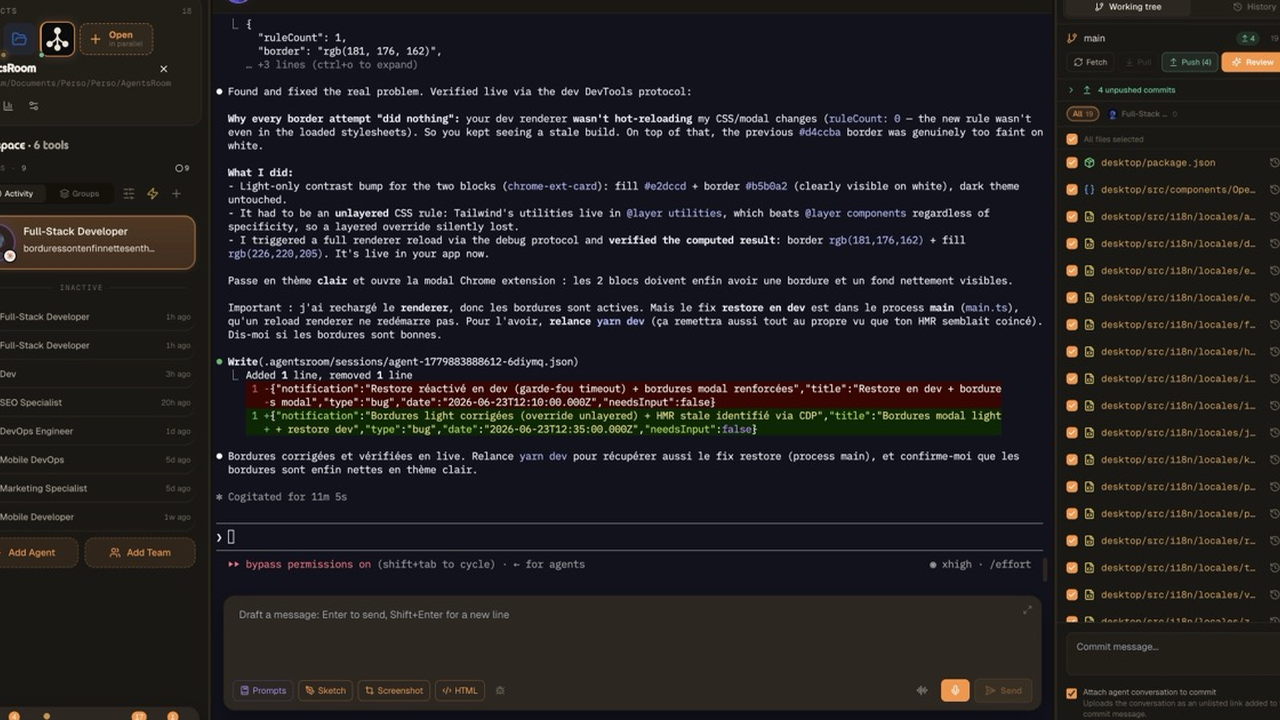
Autonomous coding agents are equipped with the capability to complete the entire software development lifecycle—specifically, planning, task decomposition, tool utilization, code writing, editing, test execution, error analysis, and self-correction—without continuous human intervention. This innovative approach surpasses the code completion and suggestion features offered by traditional AI co-pilots, dramatically improving development efficiency and speed by automating the software development workflow end-to-end.
Technical / Clinical Details
Autonomous coding agents can independently analyze complex programming tasks, formulate step-by-step plans, understand and modify entire existing codebases as needed, and execute tests to evaluate results. They also possess the ability to identify the root cause of errors and autonomously correct the code. This empowers developers to focus on higher-level design and strategic responsibilities. Specific examples of these agents include Anthropic’s Claude Code, Codex CLI, Google’s Gemini CLI, OpenCode, and Aider. These agents are not limited to single files; they comprehend multi-file contexts and learn to adapt to project conventions and coding styles. For instance, they can manage significant changes such as adding new features or refactoring existing modules, from planning through execution, in a consistent manner.
Background & Context
Software development is a knowledge-intensive and time-consuming process, with repetitive coding and debugging tasks historically imposing significant burdens on developers. While previous AI tools primarily served as co-pilots to assist developers, autonomous agents assume the role of an “AI developer,” actively participating in the development process. This paradigm shift has the potential to profoundly alter the future of software engineering, redefining the productivity of development teams. Early adopting companies have reported concrete benefits, including accelerated development cycles and the promotion of high-quality code generation.
Strategic Significance & Outlook
While autonomous coding agent technology is still evolving, its potential is immeasurable. In the future, these agents may contribute to more complex system designs and the formation of “AI development teams” where multiple agents collaborate on large-scale projects. However, as agent autonomy increases, the importance of governance regarding the reliability, security, and ethical aspects of generated code also escalates. The establishment of industry-wide standards and frameworks to address these challenges and ensure safe and effective AI development will be critical. This will enable software development to advance with unprecedented speed and efficiency.
Source: https://agentsroom.dev/autonomous-coding-agent
Get our weekly technology intelligence — free
Receive an infographic that lets you judge at a glance whether each field’s analysis report is worth reading.
Subscribe Free — Weekly Tech Intelligence
By subscribing, you’ll receive Troy-Technical’s weekly technology intelligence newsletter.
- Your email and selected fields are used only to deliver the newsletter.
- We never share your information with third parties.
- You can unsubscribe anytime via the link in each email.
See our Privacy Policy for details.
Takes about a minute · Unsubscribe anytime