Key Findings
Lithium-sulfur (Li-S) batteries are progressing towards early commercial deployment by 2026, specifically targeting niche applications that demand exceptionally high gravimetric energy density, such as aviation, drones, and defense. This technology promises two to three times the energy density of current lithium-ion cells, positioning it as a sustainable and highly cost-effective alternative.
Technical Details and Challenge Overcoming
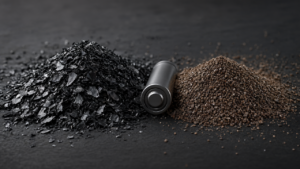
The primary advantage of Li-S batteries is their superior gravimetric energy density, theoretically capable of exceeding 2500 Wh/kg, significantly higher than the 400-600 Wh/kg typically seen in current lithium-ion cells. Moreover, they utilize abundant and inexpensive sulfur as the cathode material, eliminating the need for costly and geopolitically sensitive critical metals like cobalt and nickel. This translates into substantial raw material cost reductions and enhanced supply chain stability. While practical prototypes have already achieved energy densities of 400-600 Wh/kg, several key challenges remain for full commercialization. These include capacity degradation caused by the polysulfide shuttle effect during charge-discharge cycles, and the insulating nature of sulfur as an active material due to its low electrical conductivity. Researchers are actively addressing these issues through optimized electrode designs, the development of new electrolyte compositions, and innovations in separator technology.
Background & Industry Context
The demand for high-energy-density batteries is rapidly escalating across sectors such as electric vehicle range extension, increased drone flight times, and aircraft electrification. In aviation and defense, where weight constraints are stringent, even minor weight reductions have a profound impact on performance, making lightweight, high-energy-density solutions like Li-S batteries indispensable. As lithium-ion battery performance approaches its theoretical limits, Li-S technology is seen as the next frontier. Furthermore, in an era of heightened geopolitical risks to supply chains, Li-S batteries, which do not rely on cobalt or nickel, hold strategic appeal for governments and corporations worldwide.
Strategic Significance & Outlook
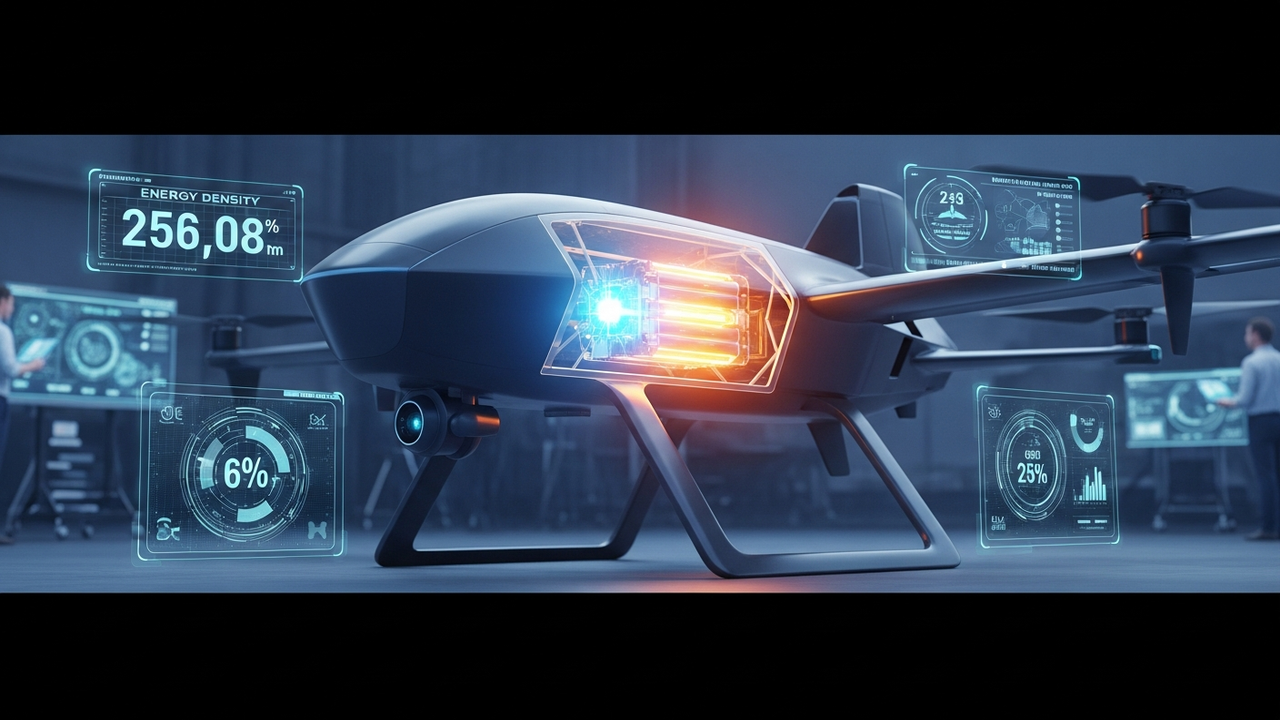
Given current technological progress and ongoing efforts to overcome remaining challenges, Li-S batteries are expected to first achieve commercial success in niche, high-performance applications, particularly in aerospace, drones, and High-Altitude Pseudo-Satellites (HAPS), where weight is a critical factor. Subsequently, as cycle life and cost performance further improve, broader entry into the EV market becomes a plausible long-term goal. Active patenting also indicates that the technology is steadily moving towards commercialization. Li-S batteries possess the potential to become a crucial technology for enabling next-generation clean mobility and enhancing energy security.
Source: https://xnergy.us/lithium-sulfur-batteries-2026-guide/
Get our weekly technology intelligence — free
Receive an infographic that lets you judge at a glance whether each field’s analysis report is worth reading.
Subscribe Free — Weekly Tech Intelligence
By subscribing, you’ll receive Troy-Technical’s weekly technology intelligence newsletter.
- Your email and selected fields are used only to deliver the newsletter.
- We never share your information with third parties.
- You can unsubscribe anytime via the link in each email.
See our Privacy Policy for details.
Takes about a minute · Unsubscribe anytime