Key Findings
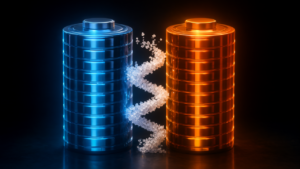
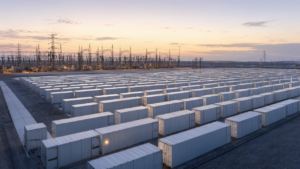
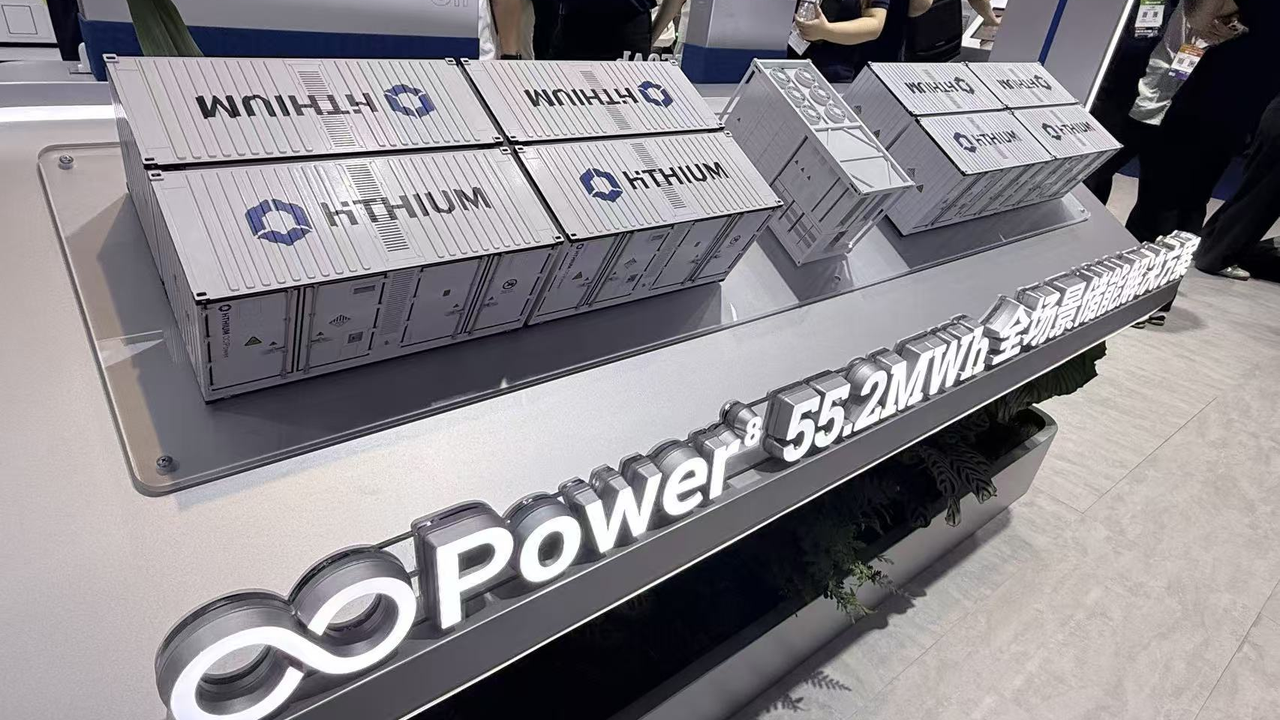
Discussions at SNEC 2026 on Energy Storage Systems (ESS) highlighted that sodium-ion battery technology is no longer perceived as merely a niche alternative but as a significant parallel development pathway alongside existing mainstream technologies. This perspective suggests an impending “dual-chemistry” era for the energy storage market, accommodating a wider array of battery chemistries to meet diverse demands.
Technical and Market Details
During the conference, several specific application areas for sodium-ion batteries were emphasized. These include superior performance in cold climates, suitability for long-cycle life applications, essential for high-safety installations, and markets prioritizing supply chain diversification. For instance, while lithium iron phosphate (LFP) batteries continue to dominate due to their cost-effectiveness and safety, sodium-ion batteries demonstrate clear competitive advantages in specific segments. These advantages stem from the abundance of sodium, the avoidance of expensive and rare metals like cobalt and nickel, and inherently higher thermal stability leading to enhanced safety. The establishment of gigawatt-hour (GWh)-scale manufacturing capabilities and improved bankability—the confidence of financial institutions in project funding—are expected to position sodium-ion batteries as a key alternative or complement to LFP in the forthcoming large-scale energy storage investment cycle.
Background & Context
The global energy storage market is expanding rapidly, driven by the accelerating integration of renewable energy and the consequent demand for grid stabilization. Within this context, lithium-ion batteries, particularly LFP, have led the market due to their mature technology and cost advantages. However, challenges such as raw material supply instability, geopolitical risks, and environmental impact have also become apparent. Sodium-ion battery research and development have been progressing as a promising solution to these issues, and the discussions at SNEC 2026 indicate that the technology is now entering a commercialization phase, steadily building a firm position in the market.
Strategic Significance & Outlook
With sodium-ion batteries assuming a prominent role in a “dual-chemistry” market, the options for energy storage solutions will expand, allowing for optimal battery selection based on the specific requirements of each application. This diversification will enhance overall grid resilience and facilitate the maximization of renewable energy integration. The expansion of manufacturing scale and further improvements in cost competitiveness will accelerate the adoption of sodium-ion batteries, enabling them to play an indispensable role in the global energy transition. The impact of sodium-ion batteries on the ESS market in the next few years is expected to be profound.
Get our weekly technology intelligence — free
Receive an infographic that lets you judge at a glance whether each field’s analysis report is worth reading.
Subscribe Free — Weekly Tech Intelligence
By subscribing, you’ll receive Troy-Technical’s weekly technology intelligence newsletter.
- Your email and selected fields are used only to deliver the newsletter.
- We never share your information with third parties.
- You can unsubscribe anytime via the link in each email.
See our Privacy Policy for details.
Takes about a minute · Unsubscribe anytime