Key Findings
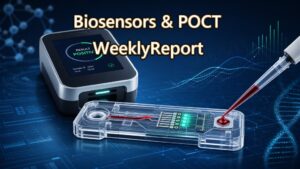
Researchers at The University of Texas Medical Branch (UTMB) have been awarded significant funding from the USDA for a project focused on screwworm detection and response. The core of this initiative is the development of an AI-enabled rapid detection system designed to protect Texas livestock and wildlife from this devastating pest. The system innovatively combines a 15-minute field test utilizing highly specific AI-designed nanobody biosensors with a smartphone application that interprets results and facilitates real-time reporting, representing a significant leap in environmental and agricultural biosensor technology.
Technical & Clinical Details
The innovation centers on AI-designed nanobody biosensors, which are engineered for high specificity to screwworm biomarkers. Nanobodies, being smaller and more stable than traditional antibodies, are ideally suited for field deployment. The 15-minute field test offers rapid results through a straightforward sample collection and binding detection mechanism. The accompanying smartphone app analyzes the biosensor signals, providing immediate diagnostic feedback to the user. Crucially, the app integrates with geographic information systems (GIS) to enable real-time reporting of infestation locations to the USDA, thereby facilitating rapid containment and response measures. This system dramatically reduces the time and labor associated with conventional inspection methods.
Background & Context
Screwworms pose a severe threat to livestock and wildlife, causing substantial economic losses, particularly in regions like the Gulf Coast where strict surveillance is essential to prevent re-infestation. Traditional detection methods are time-consuming and costly, limiting the scope of extensive monitoring. The UTMB research leverages the power of AI and advanced biosensor technology to overcome these challenges, providing an efficient and scalable surveillance system. This progress is vital for both environmental conservation and agricultural economic stability, reflecting a global need for rapid pest and pathogen detection.
Strategic Significance & Outlook
This AI-enabled screwworm detection system not only offers immediate benefits for protecting Texas’s animal populations but also presents a versatile platform adaptable for detecting other agricultural and animal pathogens. Future expansions are anticipated, including broader geographical deployment and an increase in the range of detectable pathogens. This technology exemplifies how the convergence of high-precision biosensors, artificial intelligence, and mobile technology can effectively solve real-world problems, marking a crucial milestone in the intersection of digital health and agriculture globally.
Source: #
Get our weekly technology intelligence — free
Receive an infographic that lets you judge at a glance whether each field’s analysis report is worth reading.
Subscribe Free — Weekly Tech Intelligence
By subscribing, you’ll receive Troy-Technical’s weekly technology intelligence newsletter.
- Your email and selected fields are used only to deliver the newsletter.
- We never share your information with third parties.
- You can unsubscribe anytime via the link in each email.
See our Privacy Policy for details.
Takes about a minute · Unsubscribe anytime