Key Findings
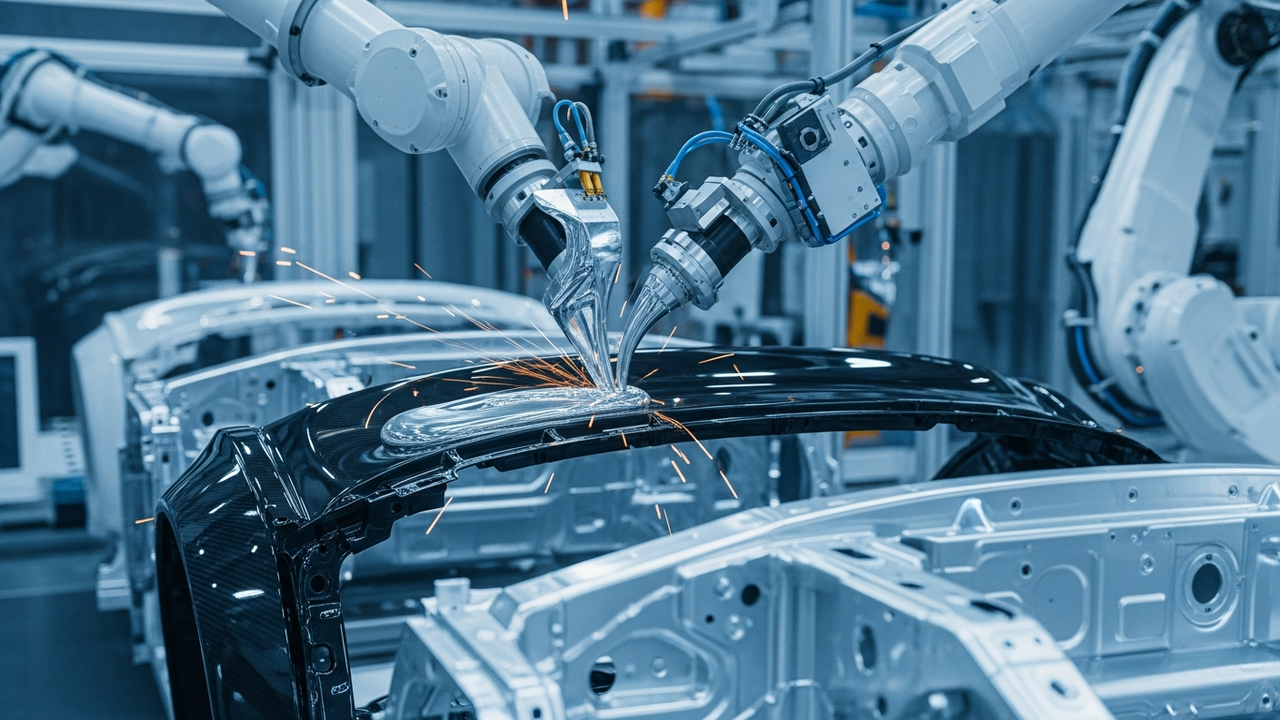
Henkel has announced a strategic investment plan to significantly expand its global production capacity for automotive structural adhesives, addressing the key challenges of lightweighting and dissimilar material joining faced by the automotive industry. This move is specifically aimed at meeting robust demand from the electric vehicle (EV) market and ensuring a stable supply of high-quality structural adhesives. Through new plant construction or expansion of existing facilities, Henkel will strongly support automotive manufacturers’ multi-material designs and innovation in manufacturing processes, contributing to enhanced overall vehicle safety and energy efficiency.
Technical Details
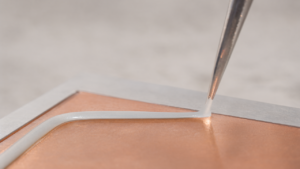
- Importance of Structural Adhesives: Automotive structural adhesives play an indispensable role in improving body structure rigidity, enhancing crash safety, reducing noise, vibration, and harshness (NVH), and joining dissimilar materials such as high-strength steel, aluminum, and carbon fiber reinforced plastics (CFRP).
- Drivers of Demand Growth: Global tightening of fuel economy regulations for internal combustion engine vehicles and the need for extended range in EVs are accelerating vehicle lightweighting efforts by automotive manufacturers. This has made multi-material design, combining multiple lightweight materials, mainstream, leading to a dramatic increase in demand for structural adhesives.
- Details of Capacity Expansion: While the specific investment amount is undisclosed, it is expected to include the introduction of new manufacturing lines, expansion of existing factories, and enhancement of automation levels. This is anticipated to yield tens of thousands of tons of additional annual production capacity, significantly strengthening the global supply system.
- Commitment to Innovation: This investment is not merely an increase in production capacity but also demonstrates a continuous commitment to research and development aimed at meeting next-generation automotive manufacturing needs. Development of new products achieving higher bond strength, heat resistance, and faster cure times will proceed in parallel.
Background & Context
The automotive industry is undergoing a historic transformation, with electrification and sustainability at its core. With the increasing battery capacity, EVs tend to be heavier than internal combustion engine vehicles, necessitating aggressive lightweighting in body structures. Joining dissimilar materials is one of the most effective ways to achieve this lightweighting, but it requires high-performance structural adhesives that combine high reliability with manufacturing efficiency. Henkel’s investment addresses this market bottleneck and accelerates the transformation of the automotive industry.Strategic Significance & Outlook
Henkel’s production capacity expansion will strengthen its position as a leading supplier in the automotive industry and make a significant contribution to the widespread adoption of EVs and the realization of sustainable mobility. Automotive manufacturers will be able to further advance innovative vehicle designs by securing a stable supply of reliable adhesives. In the future, this technology is also expected to expand into more advanced automotive applications, such as sensor integration for autonomous vehicles and modularization of battery packs, becoming an indispensable element in shaping the future of mobility.
Source: #
Get our weekly technology intelligence — free
Receive an infographic that lets you judge at a glance whether each field’s analysis report is worth reading.
Subscribe Free — Weekly Tech Intelligence
By subscribing, you’ll receive Troy-Technical’s weekly technology intelligence newsletter.
- Your email and selected fields are used only to deliver the newsletter.
- We never share your information with third parties.
- You can unsubscribe anytime via the link in each email.
See our Privacy Policy for details.
Takes about a minute · Unsubscribe anytime