Key Findings
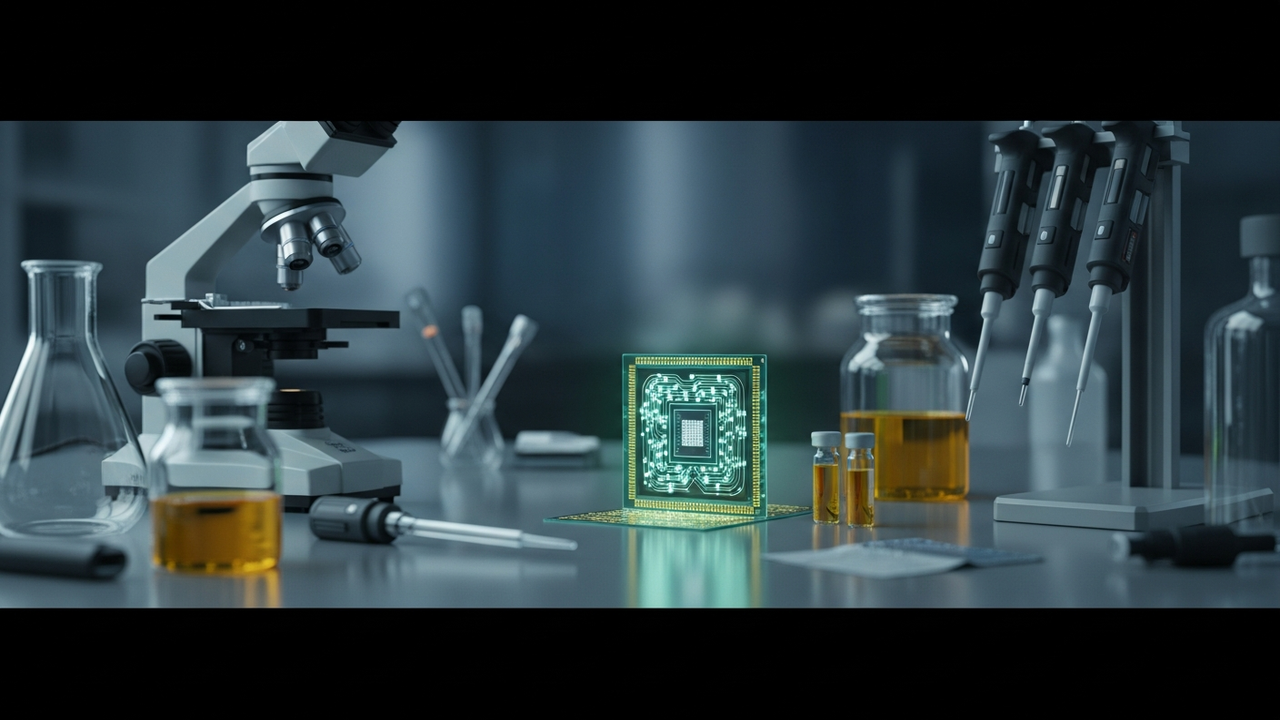
A research team led by Professor Loes Segerink at the University of Twente in the Netherlands is advancing the development of an innovative biosensor chip capable of highly sensitive detection of cervical cancer DNA traces from urine samples. This technology aims to replace the current primary cervical cancer screening method, the Pap test (smear test), with a simpler and non-invasive alternative, targeting commercialization within the next five to ten years. The biosensor chip is slated to be a critical component of Mykee, an integrated sample-to-answer diagnostic platform being co-developed with Micronit, a university spin-off. This advancement holds the potential to significantly reduce patient burden and enhance early detection rates for cervical cancer.
Technical / Clinical Details
The biosensor chip under development is designed to detect human papillomavirus (HPV) DNA specific to cervical cancer, as well as specific mutated DNA released from cancerous cells, which are present in urine. The chip’s surface is functionalized with probes that specifically bind to target DNA sequences, detecting changes in electrical or optical signals upon DNA binding. This assay is engineered for ultra-high sensitivity, capable of detecting even extremely low concentrations of DNA accurately, thereby capturing minute DNA fragments. This could enable the early identification of very early-stage cancers or pre-cancerous lesions. The Mykee platform integrates a series of processes, from automated urine sample pre-treatment to DNA extraction and amplification on the chip, followed by detection and result display. This enables ‘one-button’ diagnostics operable by individuals without specialized technical training. Such automation and miniaturization make its use practical in clinics and homes, significantly improving screening accessibility and participation rates.
Background & Context
Cervical cancer, primarily caused by HPV infection, is curable with early detection and appropriate treatment. However, smear tests are invasive and uncomfortable, leading many women to hesitate in undergoing regular screenings. This often results in delayed cancer detection and poorer prognoses. Professor Segerink’s biosensor chip aims to reduce this reluctance to testing by enabling non-invasive urine tests, thereby increasing screening uptake. This represents a groundbreaking solution to a major public health challenge and holds potential to contribute to the World Health Organization’s goal of global cervical cancer elimination. This technology will be an indispensable element in the advancement of personalized and preventive medicine.
Strategic Significance & Outlook
The commercialization of this biosensor chip will dramatically transform cervical cancer screening. In the future, the Mykee platform holds the potential to be applied to the early detection of other urological cancers, such as bladder and prostate cancer, beyond cervical cancer. Furthermore, it is expected to evolve into a system that allows easy home testing, with results shared with physicians via smartphones. Integration with AI algorithms could enable the system to combine multiple biomarkers for more accurate cancer risk prediction and to provide personalized follow-up plans, evolving into smart diagnostics. This non-invasive and highly sensitive diagnostic technology is anticipated to significantly contribute to improving patient prognoses through early cancer detection and reducing the overall burden on healthcare systems.
Source: https://www.utwente.nl/en/news/2026/7/986931/biosensor-chip-detects-cervical-cancer-more-easily
Get our weekly technology intelligence — free
Receive an infographic that lets you judge at a glance whether each field’s analysis report is worth reading.
Subscribe Free — Weekly Tech Intelligence
By subscribing, you’ll receive Troy-Technical’s weekly technology intelligence newsletter.
- Your email and selected fields are used only to deliver the newsletter.
- We never share your information with third parties.
- You can unsubscribe anytime via the link in each email.
See our Privacy Policy for details.
Takes about a minute · Unsubscribe anytime



Comments