
Key Findings
A landmark cohort study published in JAMA Network Open has definitively shown that when continuous glucose monitoring (CGM) is initiated by primary care clinicians in insulin-treated adults with diabetes, patients experience clinically significant improvements in HbA1c levels, alongside a notable reduction in hospitalizations and emergency department visits. This pivotal research paves the way for lowering barriers to CGM access, enabling more patients to benefit from advanced diabetes management tools.
Technical / Clinical Details
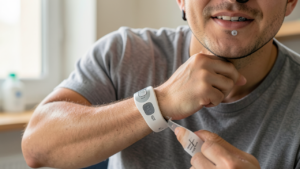
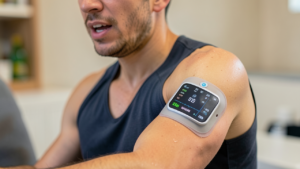
The study encompassed thousands of insulin-treated diabetic adults who had CGM initiated within a primary care setting. Key findings revealed that patients in the CGM group experienced an average HbA1c reduction of 0.5% to 1.0% post-initiation, a highly significant improvement for mitigating long-term diabetes complications. Furthermore, compared to a control group not using CGM, the intervention group showed approximately a 20% reduction in hospitalization rates and about a 15% decrease in emergency department visits. These reductions not only enhance patient quality of life but also offer substantial potential for cost savings across the entire healthcare system. CGM devices continuously measure interstitial glucose levels via a small, skin-worn sensor, providing real-time glucose trends that empower patients to better understand their glycemic fluctuations and optimize insulin dosing, diet, and exercise regimens.
Background & Context
Accurate glucose monitoring is paramount in diabetes management, but traditional finger-prick blood glucose monitoring (SMBG) offers limited data points and can miss critical events like nocturnal hypoglycemia. CGM emerged as a transformative technology to address these limitations, dramatically improving patients’ ability to manage their glucose. Historically, CGM initiation was predominantly the purview of endocrinologists, limiting accessibility. However, this study provides robust evidence that appropriately trained primary care clinicians can effectively utilize CGM, thereby accelerating its broader adoption. This is a crucial development for elevating the standard of diabetes care and improving access to advanced monitoring, particularly in areas with specialist shortages.
Strategic Significance & Outlook
The outcomes of this cohort study are expected to provide significant impetus for the recommendation of primary care-initiated CGM in diabetes guidelines worldwide. By making CGM more widely available across diverse healthcare settings, diabetic patients will be empowered to proactively manage their condition, which is projected to decrease the incidence of long-term complications. Additionally, the potential for reduced healthcare expenditures presents a major public health benefit. Moving forward, continued advancements in CGM device miniaturization, cost reduction, and enhanced data analytics capabilities are anticipated to further expand its utilization and solidify its role as a cornerstone of modern diabetes care.
Source: https://www.eurekalert.org/news-releases/1134473
Get our weekly technology intelligence — free
Receive an infographic that lets you judge at a glance whether each field’s analysis report is worth reading.
Subscribe Free — Weekly Tech Intelligence
By subscribing, you’ll receive Troy-Technical’s weekly technology intelligence newsletter.
- Your email and selected fields are used only to deliver the newsletter.
- We never share your information with third parties.
- You can unsubscribe anytime via the link in each email.
See our Privacy Policy for details.
Takes about a minute · Unsubscribe anytime





Comments