Background
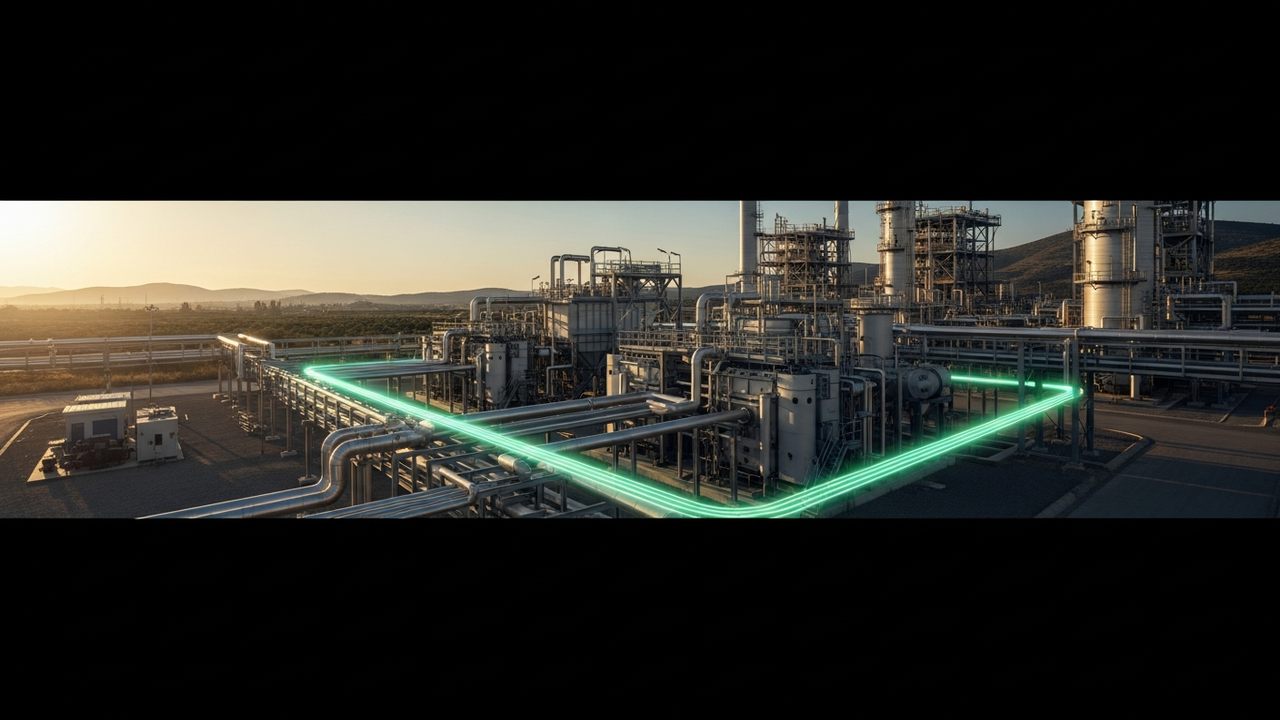
Heavy industries, particularly the chemical sector, remain significant emitters of CO2, making their decarbonization an urgent global priority. Ammonia production, a cornerstone of many industrial processes, is notably hydrogen-intensive. This makes the transition to green hydrogen an exceptionally effective strategy for substantial emission reduction. Against this backdrop, Greece is actively investing in renewable energy and green hydrogen production to meet its ambitious European decarbonization targets. This landmark project is poised to serve as a crucial model for accelerating the hydrogen economy across the Mediterranean region.
Key Findings
ILF, a global engineering and consulting firm, and Motor Oil Hellas (MOH), a leading Greek energy company, are jointly advancing a pioneering 50-megawatt (MW) pressurized alkaline electrolyzer project. This initiative will directly integrate green hydrogen, produced from renewable energy sources, into MOH’s existing ammonia production facilities. This strategic integration will replace conventional natural gas-based processes, leading to significant decarbonization and a drastic reduction in the carbon footprint of ammonia production.
Technical Details
- 50 MW Pressurized Alkaline Electrolyzer: At the core of this project is a robust 50 MW large-scale pressurized alkaline electrolyzer. Alkaline electrolysis is a well-established and highly reliable technology, making it particularly suitable for industrial-scale hydrogen production. The pressurized operation offers a key advantage by reducing the energy required for subsequent hydrogen compression, thereby significantly improving the overall system efficiency and reducing operational costs.
- Integrated Production Process: The green hydrogen generated by the electrolyzer will serve as a direct feedstock for MOH’s ammonia production. This completely eliminates the reliance on natural gas-derived hydrogen (commonly known as grey hydrogen), leading to a substantial decrease in the carbon intensity of ammonia manufacturing.
- By-product Utilization: A key innovation of this project involves the planned capture and utilization of valuable by-products: oxygen and heat, generated during the electrolysis process. These will be efficiently integrated into other on-site plant processes. This approach maximizes energy efficiency across the facility, contributes to substantial operational cost reductions, and further minimizes the project’s overall environmental impact, embodying principles of industrial symbiosis.
Strategic Significance & Outlook
This 50 MW project represents a crucial, large-scale demonstration of the technical and economic feasibility of integrating green hydrogen directly into existing heavy industrial infrastructure. Its anticipated success is expected to act as a powerful catalyst, stimulating the development and implementation of similar green hydrogen projects across other industrial plants and regions, significantly accelerating decarbonization efforts not only in Greece but throughout Europe. Furthermore, the innovative and effective utilization of by-products could establish a new benchmark for future green hydrogen project designs, significantly enhancing their overall sustainability and long-term economic value.
Source: https://www.ilf.com/en-pk/world-environment-day-2026/
Get our weekly technology intelligence — free
Receive an infographic that lets you judge at a glance whether each field’s analysis report is worth reading.
Subscribe Free — Weekly Tech Intelligence
By subscribing, you’ll receive Troy-Technical’s weekly technology intelligence newsletter.
- Your email and selected fields are used only to deliver the newsletter.
- We never share your information with third parties.
- You can unsubscribe anytime via the link in each email.
See our Privacy Policy for details.
Takes about a minute · Unsubscribe anytime



Comments