Key Findings
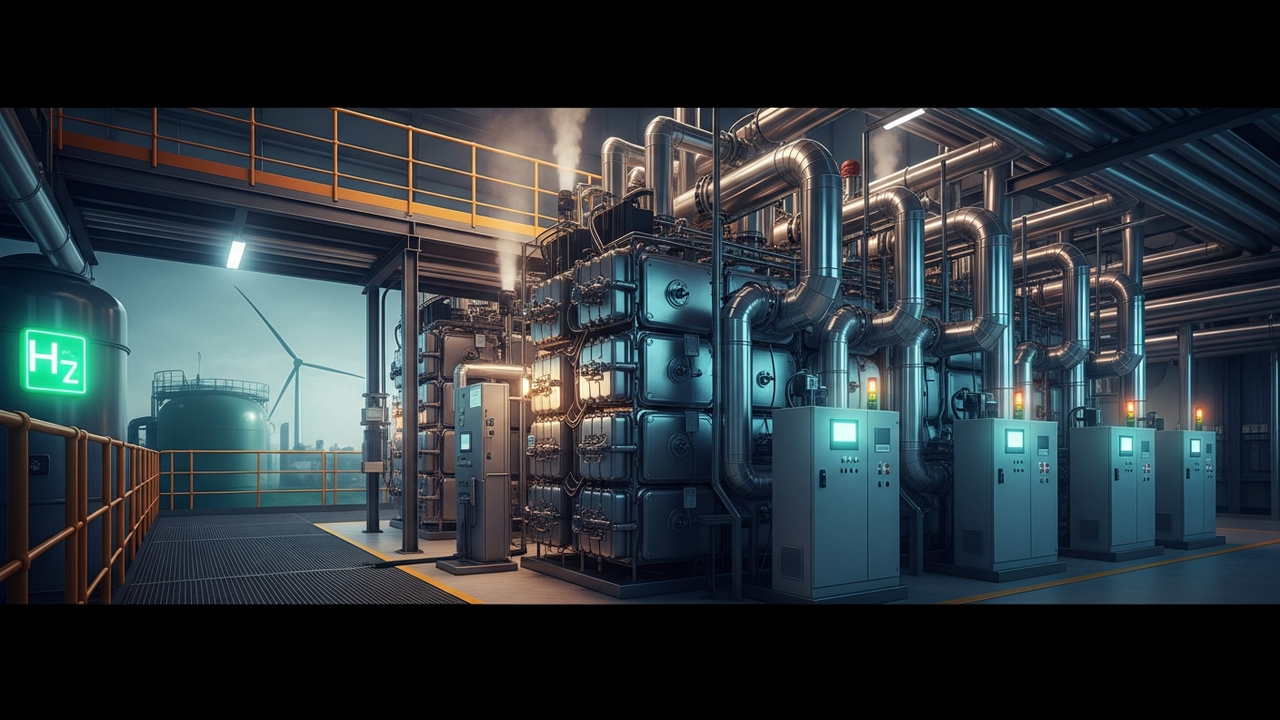
As of 2026, the projected operational lifespan of Proton Exchange Membrane (PEM) electrolyzer stacks has significantly improved, reaching a range of 60,000 to 100,000 hours. This substantial enhancement is a critical milestone, greatly increasing the economic viability and reliability of commercial-scale green hydrogen projects worldwide.
Technical / Clinical Details
- Longevity Advancement: The extended operational lifespan of PEM electrolyzer stacks, a marked improvement over previous generations, is attributed to advancements in materials science and design of catalyst layers, membranes, and bipolar plates. This development leads to reduced maintenance costs and less frequent replacement cycles, improving total cost of ownership.
- Real-World Operating Challenges: Despite these advancements, actual degradation rates can be accelerated under real-world operating conditions, especially when coupled with intermittent renewable energy sources like wind or solar. Frequent start-stops and fluctuating load profiles can impose mechanical and chemical stresses that diminish performance more rapidly than in controlled environments.
- Iridium Dissolution: A persistent technical challenge is the dissolution of iridium at the anode, which is essential for the oxygen evolution reaction. Iridium is a rare and expensive platinum group metal; its consumption not only impacts the long-term performance and efficiency of the electrolyzer but also poses significant challenges for establishing sustainable and cost-effective supply chains. Future research is focused on developing alternative catalysts or reducing iridium loading.
Background & Context
Green hydrogen is recognized globally as a pivotal technology for decarbonization. However, its economic competitiveness hinges critically on the durability and efficiency of electrolyzer technologies. PEM electrolyzers, known for their high current density and rapid response, are particularly well-suited for integration with variable renewable energy sources, making their increased lifespan a direct driver for market expansion.
Strategic Significance & Outlook
The extended operational lifetime of PEM electrolyzer stacks is a crucial factor that will catalyze Final Investment Decisions (FIDs) for green hydrogen projects. Nevertheless, reducing reliance on iridium and further enhancing durability under diverse operating conditions remain high-priority challenges for technological development. Addressing these will enable PEM electrolyzers to solidify their role as a reliable and cost-effective source of green hydrogen across a wider range of industrial applications, contributing significantly to global energy transition goals.
Get our weekly technology intelligence — free
Receive an infographic that lets you judge at a glance whether each field’s analysis report is worth reading.
Subscribe Free — Weekly Tech Intelligence
By subscribing, you’ll receive Troy-Technical’s weekly technology intelligence newsletter.
- Your email and selected fields are used only to deliver the newsletter.
- We never share your information with third parties.
- You can unsubscribe anytime via the link in each email.
See our Privacy Policy for details.
Takes about a minute · Unsubscribe anytime



Comments