

Key Findings
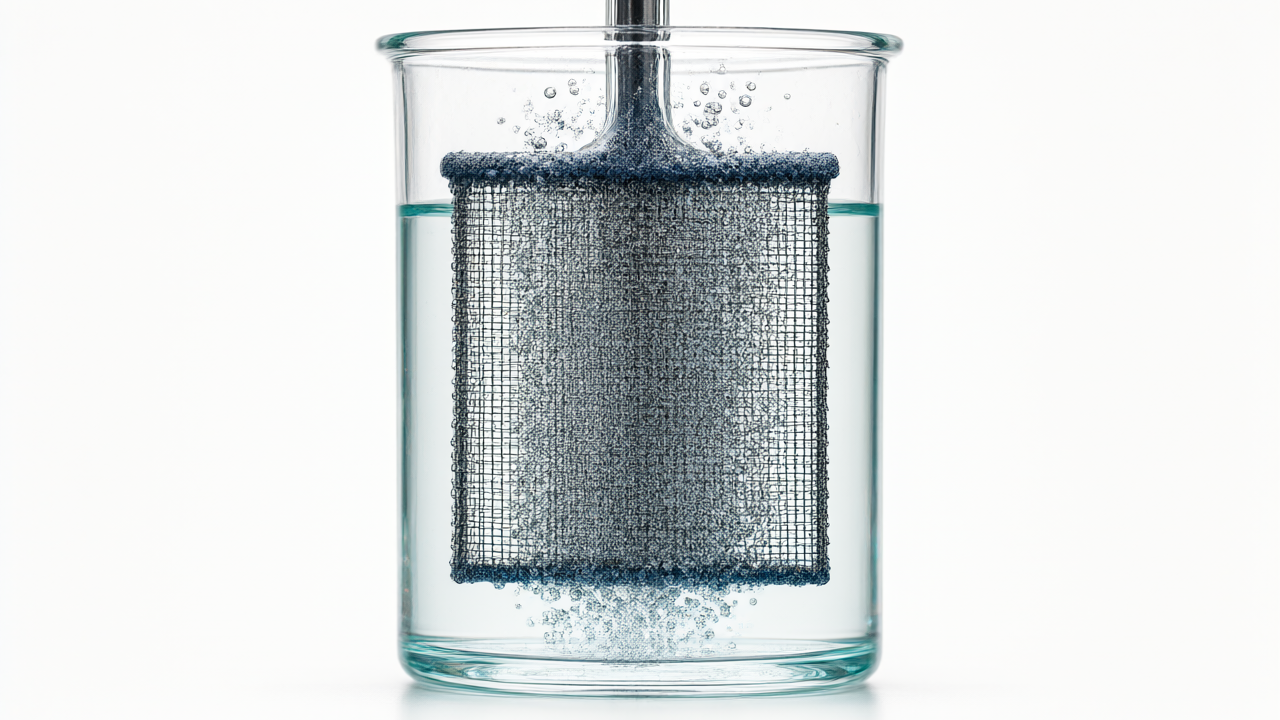
The Korea Institute of Energy Research (KIER) has engineered a nickel-oxide/nickel-cobalt (NiO-NiCo) heterostructure cathode for alkaline water electrolysis. In single-cell tests, this electrode achieved a cell voltage of 2.014 V at a current density of 1 A/cm² and demonstrated robust durability.
Technical Details
Rather than relying on simple material screening, the research team focused on engineering a specific interface between an oxide and an alloy. This heterostructure approach was designed specifically to address and accelerate the slow chemical reactions typically associated with the cathode in alkaline electrolysis systems.
Background & Context
The research was conducted at KIER’s Hydrogen Energy Institute in Daejeon. The project was led by Kyoung-Soo Kang and Hyunjoon Lee, who collaborated with a consortium of academic and research institutions, including:
- Korea University
- Seoul National University
- The Institute for Basic Science
- The Tech University of Korea
The findings associated with this development have been published in a peer-reviewed paper in the journal Advanced Science.
Significance & Outlook
By reducing the operating voltage at a significant current density, the NiO-NiCo heterostructure cathode improves the energy efficiency of the electrolysis process. The combination of lower voltage and proven durability in single-cell testing suggests a viable path for optimizing cathode performance in alkaline water electrolysis.
Get our weekly technology intelligence — free
Receive an infographic that lets you judge at a glance whether each field’s analysis report is worth reading.
Subscribe Free — Weekly Tech Intelligence
By subscribing, you’ll receive Troy-Technical’s weekly technology intelligence newsletter.
- Your email and selected fields are used only to deliver the newsletter.
- We never share your information with third parties.
- You can unsubscribe anytime via the link in each email.
See our Privacy Policy for details.
Takes about a minute · Unsubscribe anytime