Key Findings
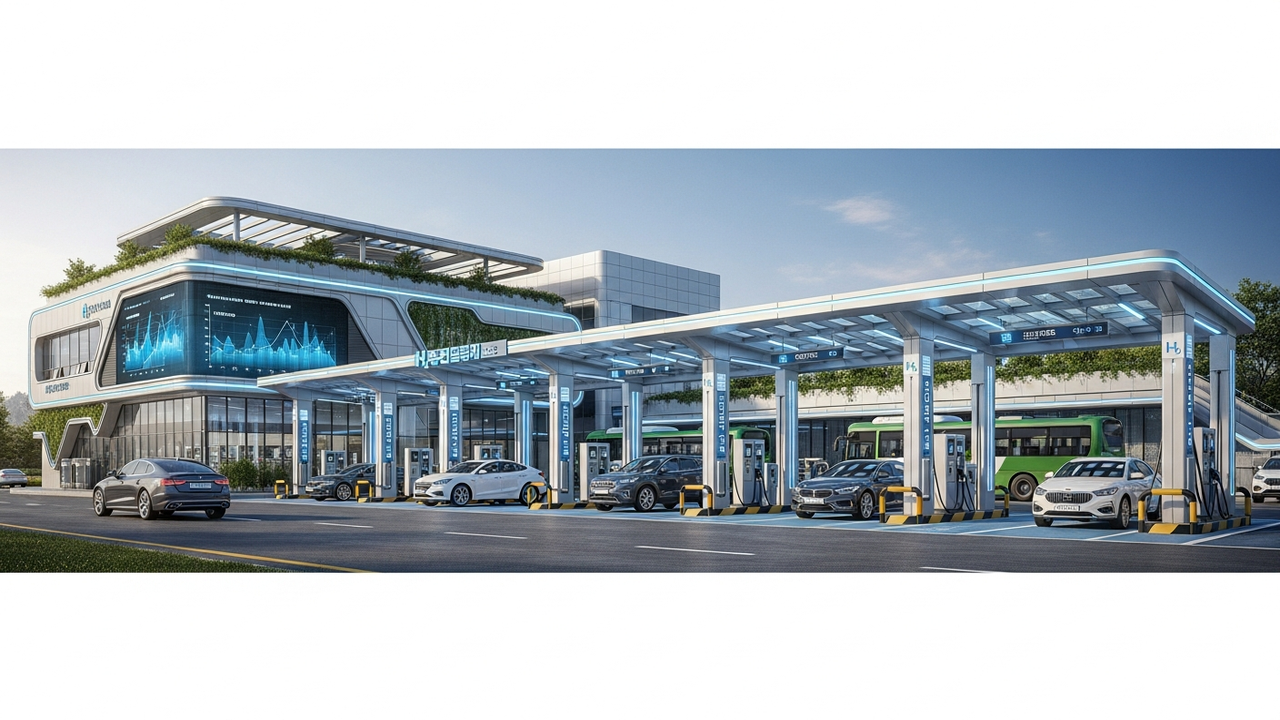
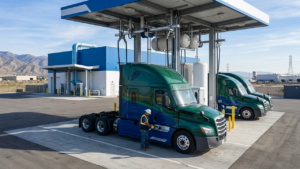
Ulsan City, a prominent industrial hub in South Korea, has significantly upgraded its Taehwa River Station hydrogen charging facility, enabling it to service a wide array of hydrogen fuel cell mobility options, from passenger cars and buses to tractors and heavy-duty trucks. This enhancement dramatically boosts the convenience and utility of hydrogen energy, solidifying Ulsan’s role in advancing hydrogen mobility.
Technical / Clinical Details
- Enhanced Charging Capacity: The improved station boasts a robust charging capacity of 80 kilograms of hydrogen per hour. This volume is sufficient to fully refuel a standard hydrogen passenger car in minutes and offers efficient resupply for larger commercial vehicles.
- Reduced Charging Time: Notably, the charging time for hydrogen tractors has been significantly reduced from the previous 1 hour to just 40 minutes. This reduction is critical for minimizing downtime in commercial fleet operations, thereby enhancing the operational efficiency and economic viability of hydrogen-powered vehicles.
- Nation’s Largest Network: Ulsan City currently operates the largest number of hydrogen charging stations in South Korea, with a total of 16 facilities. This extensive network provides a robust foundation for the widespread adoption of hydrogen vehicles and serves as a model for other cities and regions.
Background & Context
The South Korean government has identified the establishment of a hydrogen economy as a cornerstone of its national strategy, actively investing in hydrogen vehicle deployment and infrastructure development. Ulsan, renowned for its automotive industry and as a hub for hydrogen production and supply, is demonstrating leadership in this field. Multi-mobility charging stations are indispensable for completing the hydrogen mobility ecosystem.
Strategic Significance & Outlook
The performance enhancement of the Taehwa River Station hydrogen charging facility underscores Ulsan City’s pivotal role in driving the future of hydrogen mobility. Improved charging efficiency for commercial vehicles is expected to accelerate the adoption of hydrogen fuel cell trucks in the logistics industry, contributing to the achievement of emission reduction targets. Ulsan’s successful model is set to become a benchmark for other cities developing hydrogen infrastructure, accelerating the transition to sustainable transport systems both domestically and internationally.
Source: https://www.mk.co.kr/en/society/12092243
Get our weekly technology intelligence — free
Receive an infographic that lets you judge at a glance whether each field’s analysis report is worth reading.
Subscribe Free — Weekly Tech Intelligence
By subscribing, you’ll receive Troy-Technical’s weekly technology intelligence newsletter.
- Your email and selected fields are used only to deliver the newsletter.
- We never share your information with third parties.
- You can unsubscribe anytime via the link in each email.
See our Privacy Policy for details.
Takes about a minute · Unsubscribe anytime




Comments