
Key Findings
A comprehensive review article published in MDPI Sensors delves into ‘Machine Learning for Continuous Health Monitoring in Smart Wearables,’ offering a detailed analysis of the current state and future directions of this rapidly evolving field. The study illuminates how machine learning algorithms leverage physiological data collected from biosensors integrated into wearable devices to assess user health status in real-time and predict anomalies. This represents a pivotal development poised to shape the future of personalized preventive care and health management.
Technical / Clinical Details
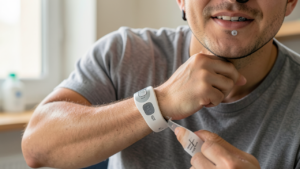
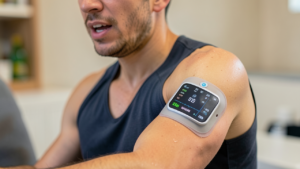
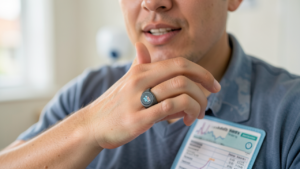
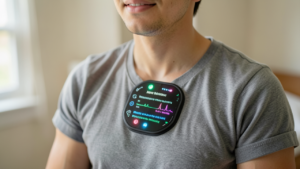
The review analyzes various types of wearable biosensors, including photoplethysmography (PPG), electrochemical sensors, and inertial measurement units (IMUs), which measure parameters such as heart rate, body temperature, blood oxygen saturation, glucose levels, sweat composition, and activity levels. The vast time-series data acquired from these sensors undergo preprocessing for noise reduction, feature extraction, and pattern recognition by machine learning models (e.g., support vector machines, deep learning, decision trees). Specific applications include detecting ECG anomalies for early detection of cardiovascular diseases, predicting glucose fluctuations in diabetic patients, analyzing sleep patterns to identify sleep disorders, and assessing stress levels. For instance, combining specific heart rate variability patterns with ML has shown over 90% accuracy in detecting arrhythmias like atrial fibrillation. ML algorithms learn from individual baseline data to create personalized health profiles, enabling early identification of even subtle changes in health status.
Background & Context
The proliferation of wearable technology and advancements in machine learning are profoundly transforming the healthcare landscape. While traditional healthcare systems have primarily focused on treatment after symptom onset, the combination of wearables and ML offers new opportunities for early disease detection, prevention, and continuous management of chronic conditions. This is expected to lead to reductions in healthcare costs, improvements in patients’ quality of life, and the promotion of more proactive health management. This technology has become an indispensable component for home-based health monitoring and enhanced telehealth services, particularly in aging societies.
Strategic Significance & Outlook
The review predicts that continuous health monitoring via smart wearables will become even more sophisticated in the coming years, enabling the detection and prediction of a broader range of disease markers. In the future, integrating data from multiple sensors and utilizing multi-modal machine learning models will facilitate a more comprehensive understanding of health status and more accurate prediction of disease risks. Furthermore, miniaturization of devices, extended battery life, and enhanced data privacy and security are identified as critical challenges for widespread adoption. Research and development in this field are expected to accelerate the mainstreaming of preventive medicine and the delivery of highly personalized healthcare solutions globally.
Source: https://www.mdpi.com/1424-8220/26/14/4486
Get our weekly technology intelligence — free
Receive an infographic that lets you judge at a glance whether each field’s analysis report is worth reading.
Subscribe Free — Weekly Tech Intelligence
By subscribing, you’ll receive Troy-Technical’s weekly technology intelligence newsletter.
- Your email and selected fields are used only to deliver the newsletter.
- We never share your information with third parties.
- You can unsubscribe anytime via the link in each email.
See our Privacy Policy for details.
Takes about a minute · Unsubscribe anytime




Comments