Key Findings
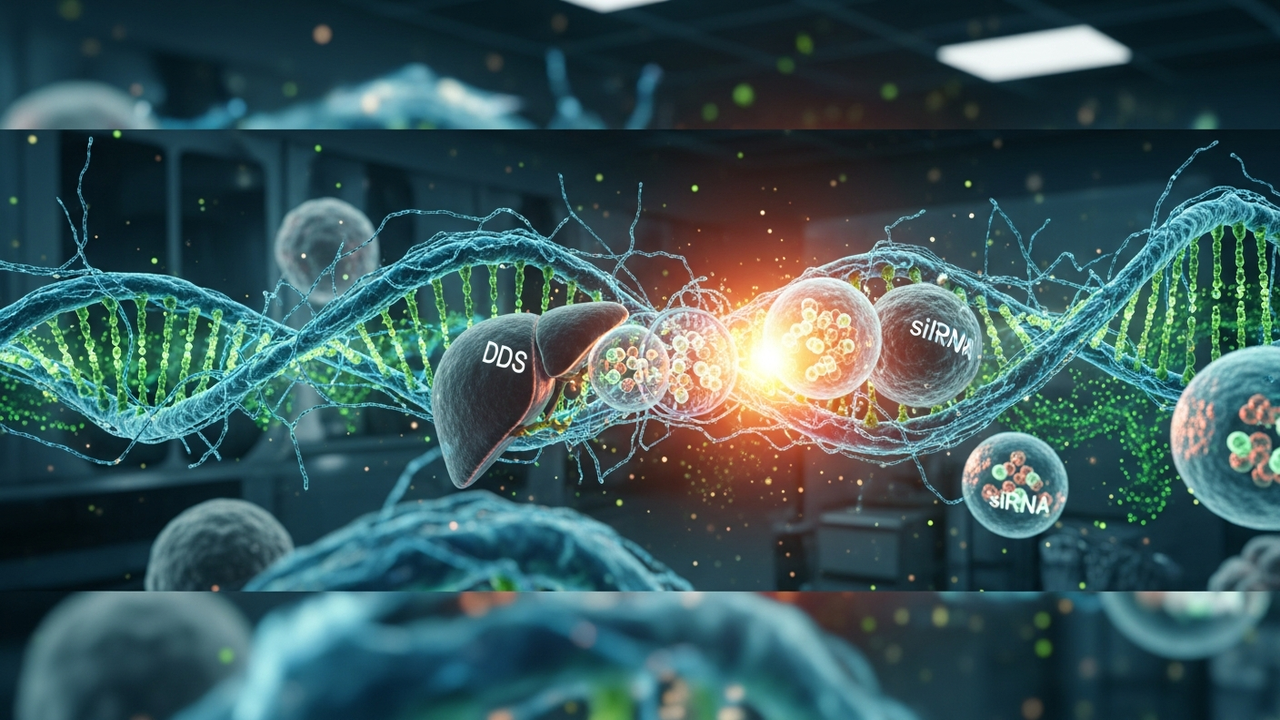
This article emphasizes the emerging role of RNA interference (RNAi) as a powerful therapeutic strategy for metabolic diseases, leveraging its theoretical advantage to target virtually any gene. Despite historical delivery challenges, significant advancements in drug delivery systems (DDS) have enabled lipid-based carriers for liver-targeted siRNA to be extensively evaluated in clinical trials for metabolic diseases, particularly hypercholesterolemia. Furthermore, emerging self-delivery siRNAs are showing considerable promise, accelerating the clinical application of RNAi technology.
Technical / Clinical Details
RNAi harnesses the cell’s natural process of gene silencing, effectively turning off the production of specific messenger RNA (mRNA) molecules, and consequently, the proteins they encode. This capability allows for precise intervention in metabolic pathways driven by disease-causing genes or proteins. For years, the main hurdles for RNAi therapeutics were the rapid degradation of naked RNA molecules in vivo and the challenge of efficient and targeted delivery to specific cells or tissues. Advances in DDS have largely overcome these issues.
- Lipid-Based Carriers: Specifically, lipid nanoparticles (LNPs) and GalNAc (N-acetylgalactosamine) conjugates have been highly successful in delivering siRNA to hepatocytes by targeting the asialoglycoprotein receptor (ASGPR) on liver cells. This breakthrough has led to multiple siRNA therapeutics for metabolic disorders, such as hereditary hypercholesterolemia, entering and in some cases gaining approval from clinical trials. For instance, siRNAs targeting PCSK9 mRNA have shown significant reductions in LDL cholesterol levels in clinical studies.
- Self-Delivery siRNAs: These are designed with chemical modifications directly incorporated into the siRNA molecule, enabling efficient cellular uptake without the need for external carriers. While still in early stages, these promise simplified manufacturing and potentially reduced immunogenicity risks, presenting another promising DDS for metabolic disease treatment.
These technologies offer a new therapeutic paradigm by addressing the root causes of diseases through gene knockdown.
Background & Context
Metabolic diseases, including Type 2 Diabetes, Non-Alcoholic Fatty Liver Disease (NAFLD/NASH), and atherosclerosis, are globally escalating health burdens with significant unmet medical needs. Traditional treatments often focus on symptom management, whereas RNAi therapies offer the potential to intervene at the molecular root cause of the disease. The evolution of DDS has been pivotal in enabling the clinical translation of RNAi therapeutics, particularly the ability to efficiently target specific organs like the liver, which has revolutionized metabolic disease drug discovery. The pharmaceutical industry is investing heavily in the new therapeutic targets and modalities offered by the RNAi platform.
Strategic Significance & Outlook
RNAi-based therapeutic strategies are poised to play an increasingly critical role in the field of metabolic diseases. Ongoing clinical trials and the continued development of novel DDS technologies, such as self-delivery siRNAs, are expected to expand the range of metabolic disorders amenable to RNAi treatment. In the long term, these therapeutics are anticipated to become an integral part of standard care, significantly improving patient quality of life and prognosis. Furthermore, advancements in DDS will likely broaden the applicability of RNAi therapeutics to other disease areas, including neurodegenerative diseases and oncology. Investors are keenly watching DDS innovation and clinical development progress as key drivers for the growth of the RNAi therapeutic market.
Get our weekly technology intelligence — free
Receive an infographic that lets you judge at a glance whether each field’s analysis report is worth reading.
Subscribe Free — Weekly Tech Intelligence
By subscribing, you’ll receive Troy-Technical’s weekly technology intelligence newsletter.
- Your email and selected fields are used only to deliver the newsletter.
- We never share your information with third parties.
- You can unsubscribe anytime via the link in each email.
See our Privacy Policy for details.
Takes about a minute · Unsubscribe anytime








Comments