Key Findings
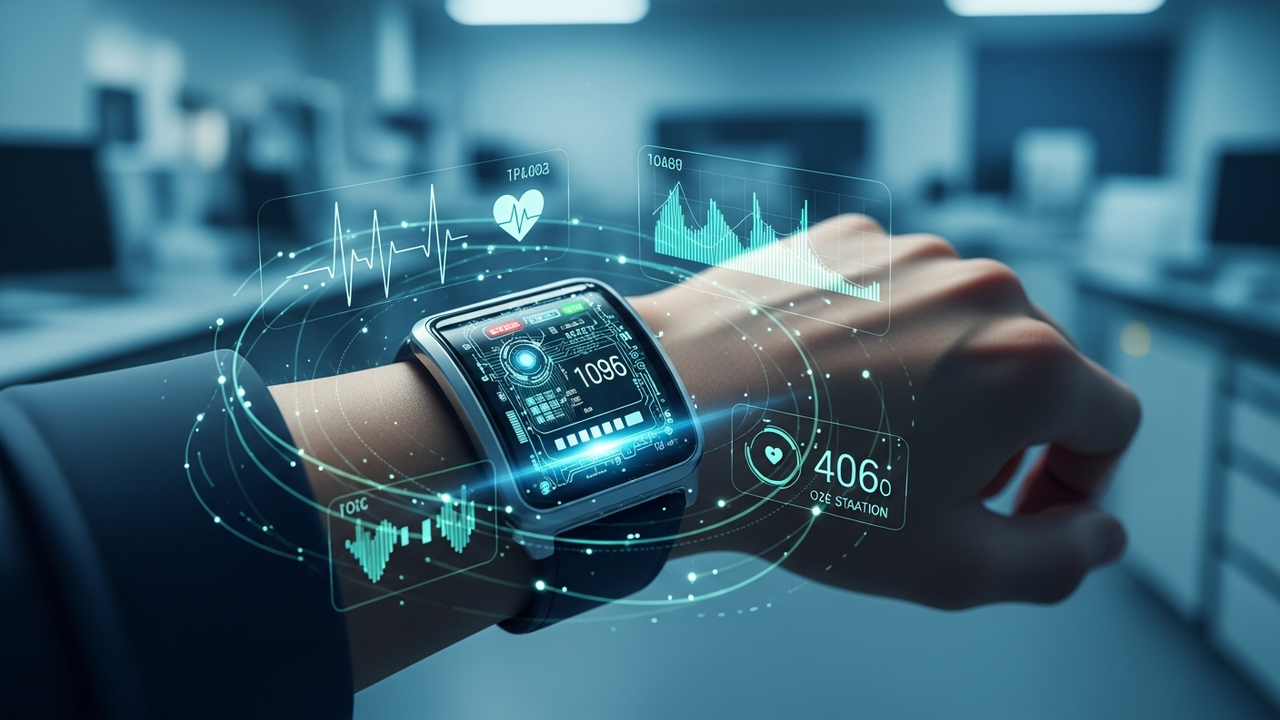
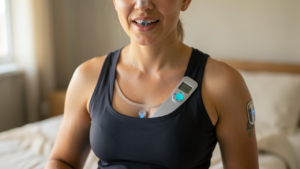
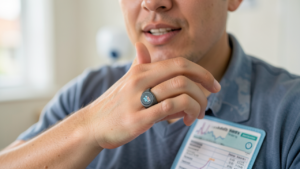
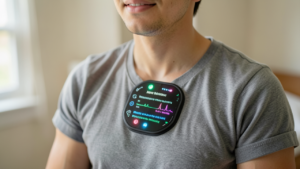
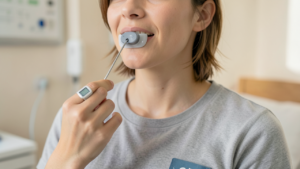
Wireless and battery-free wearable biosensors are experiencing rapid advancements in the field of real-time health monitoring. These devices possess the capability to continuously track physiological signals and biomarkers such as glucose, lactate, electrolytes, and cortisol in bodily fluids like sweat, saliva, tears, and interstitial fluid. This promises significant benefits, including early disease detection, promotion of personalized medicine, reduction of healthcare costs, and decreased frequency of clinic visits.
Technical & Clinical Details
- Detection Mechanisms and Target Biomarkers: Wearable biosensors employ various principles, including enzymatic electrodes, immunosensors, optical sensors, and piezoelectric sensors. For instance, glucose sensors utilize enzymatic electrochemical reactions to measure blood glucose, while sweat sensors detect electrolyte concentrations via a sensitive layer responsive to specific chemicals. Key target biomarkers include:
- Glucose: For diabetes management in patients and metabolic monitoring in non-diabetics. Continuous Glucose Monitors (CGMs) like those from Dexcom are prime examples.
- Lactate: For optimizing sports performance and monitoring clinical conditions such as sepsis.
- Electrolytes (Na+, K+, Cl-, etc.): For assessing dehydration, kidney function, and cardiac function.
- Cortisol: For evaluating stress levels and diagnosing endocrine disorders.
- pH, Body Temperature, Heart Rate: For overall health status and physiological stress monitoring.
- Wireless and Battery-Free Technologies: Recent advancements in energy harvesting (e.g., thermal, kinetic, RF energy) and wireless power transfer technologies have made battery-free wireless sensors feasible. This enables device miniaturization, lighter weight, and long-term autonomous operation, reducing user burden.
- Material Evolution: New materials such as flexible polymers, graphene, and metal nanoparticles facilitate the development of wearable devices with high skin conformability and excellent biocompatibility. These materials are also crucial for improving sensor sensitivity and stability.
Background & Industry Context
In modern society, the rise of chronic diseases, escalating healthcare costs, and growing health awareness underscore the importance of preventive and personalized medicine. Wearable biosensors are positioned as powerful tools to meet these needs. Particularly since the COVID-19 pandemic, demand for remote healthcare and home health monitoring has surged, accelerating investment and R&D in wearable technologies. Major tech companies (e.g., Apple, Samsung) and medical device manufacturers (e.g., Dexcom, Abbott) are actively entering this space, leading to rapid market growth.
Strategic Significance & Outlook
While the future of wearable biosensors is highly promising, many challenges remain to be overcome. Key challenges include standardizing regulatory approval processes (e.g., FDA), ensuring long-term device stability and reproducibility, further enhancing biocompatibility, protecting the privacy and security of large volumes of biometric data, and establishing clinically meaningful and accurate calibration methods. As these challenges are addressed, wearable biosensors are likely to become ubiquitous, from fitness enthusiasts to chronic disease patients and the general population, fundamentally transforming health management. The integration of AI and machine learning is expected to enhance data analysis capabilities, enabling the provision of personalized health guidance optimized for each individual.
Get our weekly technology intelligence — free
Receive an infographic that lets you judge at a glance whether each field’s analysis report is worth reading.
Subscribe Free — Weekly Tech Intelligence
By subscribing, you’ll receive Troy-Technical’s weekly technology intelligence newsletter.
- Your email and selected fields are used only to deliver the newsletter.
- We never share your information with third parties.
- You can unsubscribe anytime via the link in each email.
See our Privacy Policy for details.
Takes about a minute · Unsubscribe anytime


Comments