Key Findings
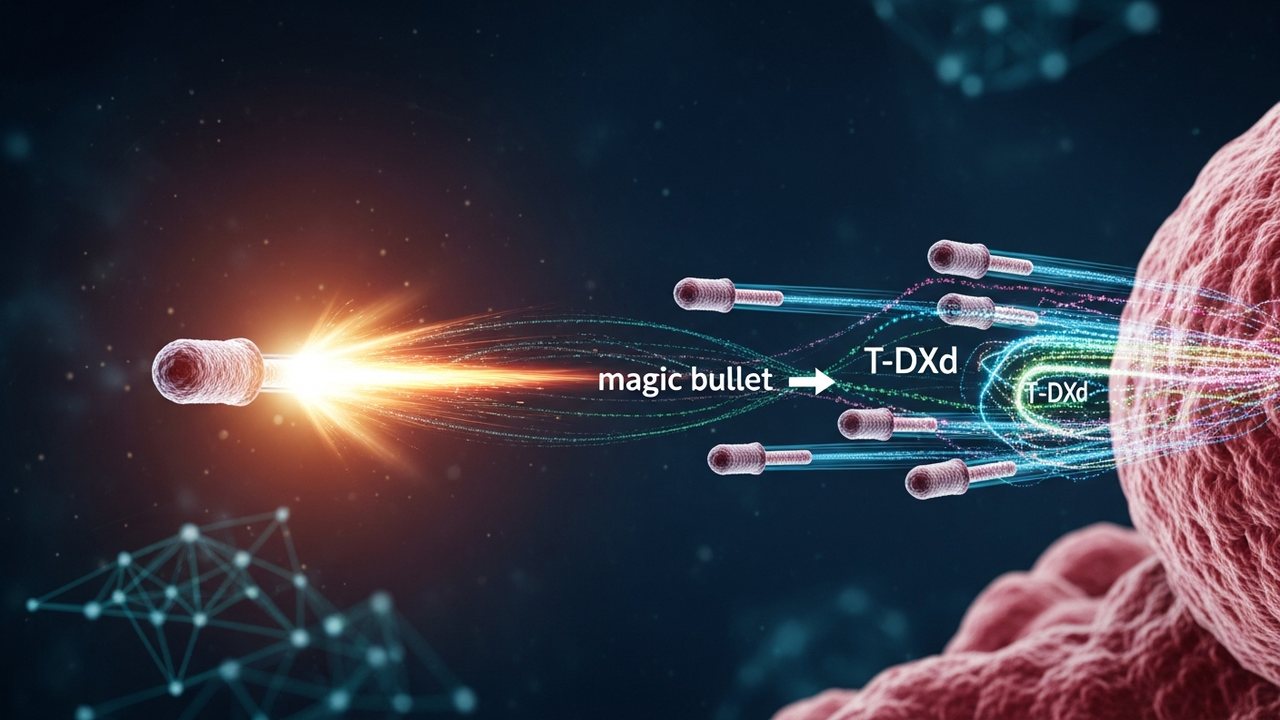
Antibody-Drug Conjugates (ADCs) have undergone a profound transformation in solid tumor treatment, moving from an aspirational ‘magic bullet’ concept to establishing themselves as a ‘standard of care.’ This paradigm shift is clearly reflected in the growing number of approved ADCs and the depth of the clinical development pipeline. Significantly, combination therapies involving ADCs and other modalities, particularly immune checkpoint inhibitors (ICIs), are setting new benchmarks for treatment efficacy.
Technical and Clinical Details
ADCs combine the high target specificity of antibodies with the potent cytotoxicity of chemotherapy drugs (payloads). The antibody component precisely binds to antigens expressed on cancer cell surfaces, facilitating efficient internalization and intracellular release of the payload. This mechanism allows for targeted destruction of cancer cells while minimizing systemic side effects.
Currently, over 12 ADCs are approved worldwide for various cancer indications, with more than 300 additional candidates in different stages of clinical development. This rapid expansion is driven by continuous improvements in next-generation ADC technologies, with key advancements including:
- Trastuzumab Deruxtecan (T-DXd): This ADC has demonstrated exceptional efficacy across a broad spectrum of solid tumors, including HER2-positive, HER2-low, and even HER2-expressing gastric and lung cancers, irrespective of HER2 expression levels. Its success is attributed to a high drug-to-antibody ratio (DAR) and a stable linker-payload conjugation.
- Advancements in Combination Therapies: The combination of ADCs with immune checkpoint inhibitors (ICIs) is opening new frontiers in cancer treatment. Several clinical trials, such as BEGONIA, ASCENT-04, and EV-302, have reported promising results, showing higher response rates and extended progression-free survival compared to monotherapy. These combinations are designed to achieve synergistic effects, activating the immune response and maximizing therapeutic outcomes.
These developments suggest that ADCs are not merely drug delivery systems but rather sophisticated therapeutic modalities capable of modulating the tumor microenvironment and immune responses.
Background and Context
Early ADC development faced significant challenges, including unstable linkers and systemic toxicity of payloads, leading to limited clinical success. However, technological innovations over the past decade have dramatically improved linker stability, optimized drug-to-antibody ratios (DAR), and led to the development of highly potent payloads. This technological maturation has paved the way for current clinical breakthroughs and widespread adoption. The ADC market is vibrant, with numerous players, from large pharmaceutical companies to biotechnology startups, actively engaged in ADC development.
Strategic Significance and Outlook
ADCs are expected to remain a cornerstone of solid tumor treatment. The development of novel modalities, such as bispecific ADCs and Degrader-antibody conjugates (DACs) which combine ADCs with targeted protein degraders, promises to further expand therapeutic options. Furthermore, the identification of appropriate biomarkers and integration into personalized treatment strategies will be crucial for maximizing the efficacy of ADC therapies and further improving patient outcomes. ADCs will continue to play a central role in realizing the promise of precision medicine.
Get our weekly technology intelligence — free
Receive an infographic that lets you judge at a glance whether each field’s analysis report is worth reading.
Subscribe Free — Weekly Tech Intelligence
By subscribing, you’ll receive Troy-Technical’s weekly technology intelligence newsletter.
- Your email and selected fields are used only to deliver the newsletter.
- We never share your information with third parties.
- You can unsubscribe anytime via the link in each email.
See our Privacy Policy for details.
Takes about a minute · Unsubscribe anytime








Comments