Key Findings
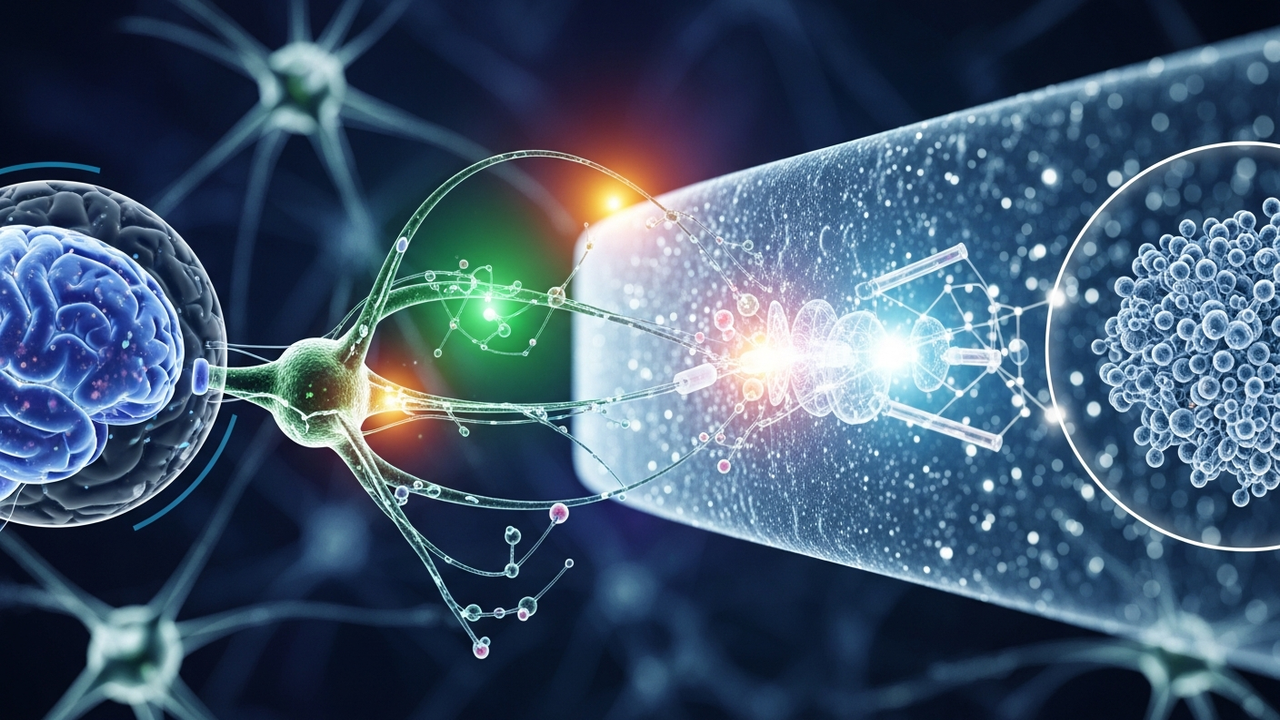
The Blood-Brain Barrier Drug Delivery (B3DD) Summit brought together leading experts to tackle the translational challenges of effectively and safely delivering central nervous system (CNS) drug candidates across the formidable blood-brain barrier (BBB). The conference highlighted ongoing research into advanced drug delivery systems designed to bypass or modulate the BBB, a critical obstacle for treating a wide array of neurological diseases.
Technical / Clinical Details
The BBB, a highly selective physiological barrier, significantly restricts the entry of most drugs into the brain, posing a major challenge for CNS drug development. Discussions at the B3DD Summit focused on several innovative strategies to overcome this barrier:
- Nanoparticles: Lipid and polymeric nanoparticles are engineered to cross the BBB either by direct translocation or cellular uptake, protecting drug cargo, increasing brain concentration, and reducing systemic toxicity.
- Liposomes: These lipid vesicles can encapsulate drugs, and their surface can be modified with ligands to enhance BBB penetration through receptor-mediated mechanisms.
- Receptor-Mediated Transport: This approach involves conjugating drugs to ligands that target specific receptors (e.g., transferrin receptors, insulin receptors) expressed on BBB endothelial cells, facilitating active transport into the brain.
- Temporary BBB Disruption: Techniques like focused ultrasound or chemical agents are being explored to transiently increase BBB permeability, allowing larger molecules to enter the brain.
The summit also delved into preclinical evaluation using in vivo and in vitro models, as well as methods for quantifying CNS drug delivery and target exposure. These advancements are crucial for improving the success rates in developing therapies for neurological conditions.
Background & Context
CNS disorders, including Alzheimer’s, Parkinson’s, and brain tumors, represent a massive and growing global health burden. The BBB has historically been the primary bottleneck in developing effective CNS therapeutics, with its protective nature inadvertently hindering drug access. Decades of research into BBB-crossing technologies are now yielding tangible progress, driven by advancements in nanotechnology and molecular biology. The intensive focus from major biopharmaceutical companies underscores the high unmet need in this therapeutic area.
Strategic Significance & Outlook
The innovations discussed at the B3DD Summit hold the potential to revolutionize the treatment of CNS diseases. These advanced DDS technologies are indispensable for personalized medicine, gene therapies, and the targeted delivery of oncology drugs to the brain. Continued optimization and clinical translation of BBB-penetrating technologies are expected to lead to breakthrough therapies for neurodegenerative diseases, brain cancers, and psychiatric disorders that have long been considered intractable. Collaborative efforts among industry experts are paving the way for safer and more effective brain drug delivery in the near future.
Source: https://www.news-medical.net/suppliers/Blood-Brain-Barrier-Delivery-Summit-(B3DD).aspx
Get our weekly technology intelligence — free
Receive an infographic that lets you judge at a glance whether each field’s analysis report is worth reading.
Subscribe Free — Weekly Tech Intelligence
By subscribing, you’ll receive Troy-Technical’s weekly technology intelligence newsletter.
- Your email and selected fields are used only to deliver the newsletter.
- We never share your information with third parties.
- You can unsubscribe anytime via the link in each email.
See our Privacy Policy for details.
Takes about a minute · Unsubscribe anytime








Comments