Background
Neurodegenerative diseases are characterized by progressive neuronal loss and severe functional impairment, with limited effective treatments primarily due to the inability of therapeutic agents to cross the BBB and reach their targets in the brain. For decades, developing BBB-penetrating technologies has been a paramount challenge in neuroscience. The recent progress in NP technology is therefore highly anticipated, attracting substantial interest from pharmaceutical companies and research institutions globally. By enabling intervention with disease mechanisms deep within the brain, NPs are poised to usher in new treatment paradigms that were previously unattainable with conventional therapeutics.
Key Findings
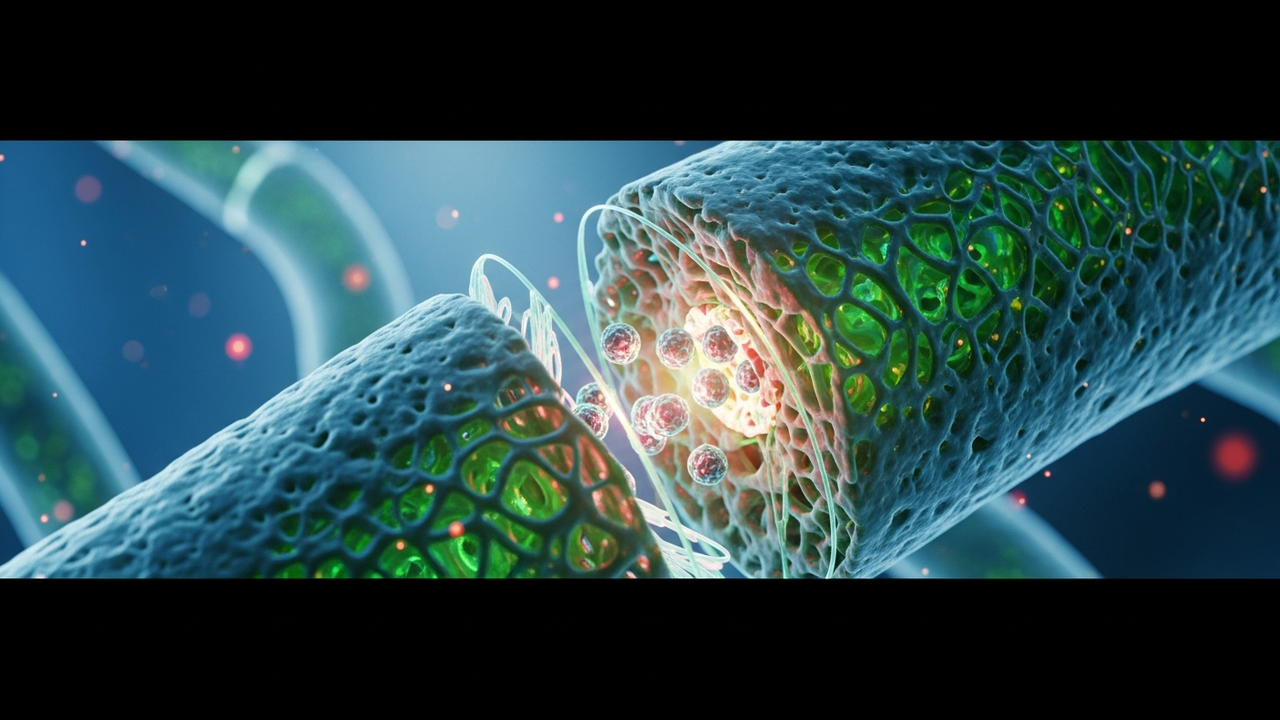
Nanoparticles (NPs) are demonstrating significant potential in overcoming the blood-brain barrier (BBB), a formidable obstacle in treating neurodegenerative diseases. Preclinical studies have shown promising results for NPs in therapies targeting Alzheimer’s, Parkinson’s, and Huntington’s diseases, offering multiple innovative mechanisms to either circumvent or penetrate this critical physiological barrier. This breakthrough capacity could unlock novel therapeutic strategies for previously untreatable brain disorders.
Technical Details
The BBB, formed by tightly conjoined endothelial cells in brain capillaries, rigorously restricts substance passage, blocking over 98% of small-molecule drugs and virtually all biologics from reaching the brain. NPs, owing to their tunable size, surface charge, and ligand modifications, can exploit several strategies to cross the BBB:
- Receptor-Mediated Transcytosis (RMT): NPs are engineered with ligands that bind to specific receptors (e.g., insulin receptors, transferrin receptors) on BBB endothelial cells, initiating active transport into the brain.
- Adsorption-Mediated Transport (AMT): Positively charged NPs can electrostatically interact with negatively charged cell surfaces of the BBB, facilitating non-specific adsorption and subsequent cellular uptake and transport.
- Intranasal Delivery: This non-invasive route leverages direct pathways from the nasal cavity to the brain via olfactory and trigeminal nerves, effectively bypassing the BBB.
In preclinical models, these NP-based strategies have significantly increased drug concentrations within the brain, leading to reductions in Alzheimer’s disease-associated proteins (amyloid-beta, tau) and demonstrating neuroprotective effects in Parkinson’s disease models. These advancements underscore the unique capabilities of nanotechnology in addressing a critical unmet medical need.
Strategic Significance & Outlook
NP-mediated BBB penetration technologies hold the promise of revolutionizing the treatment landscape for neurodegenerative diseases. As these technologies transition into clinical trials and demonstrate safety and efficacy in humans, they are expected to provide patients with Alzheimer’s, Parkinson’s, and Huntington’s diseases access to groundbreaking therapeutics that were previously inaccessible. Future research will likely focus on improving NP biocompatibility, long-term safety, manufacturing scalability, and achieving even more precise tissue-specific targeting. This continued advancement could lead to the development of truly disease-modifying therapies that halt disease progression and significantly improve symptoms, transforming the lives of millions affected by these debilitating conditions.
Get our weekly technology intelligence — free
Receive an infographic that lets you judge at a glance whether each field’s analysis report is worth reading.
Subscribe Free — Weekly Tech Intelligence
By subscribing, you’ll receive Troy-Technical’s weekly technology intelligence newsletter.
- Your email and selected fields are used only to deliver the newsletter.
- We never share your information with third parties.
- You can unsubscribe anytime via the link in each email.
See our Privacy Policy for details.
Takes about a minute · Unsubscribe anytime









Comments