Key Findings
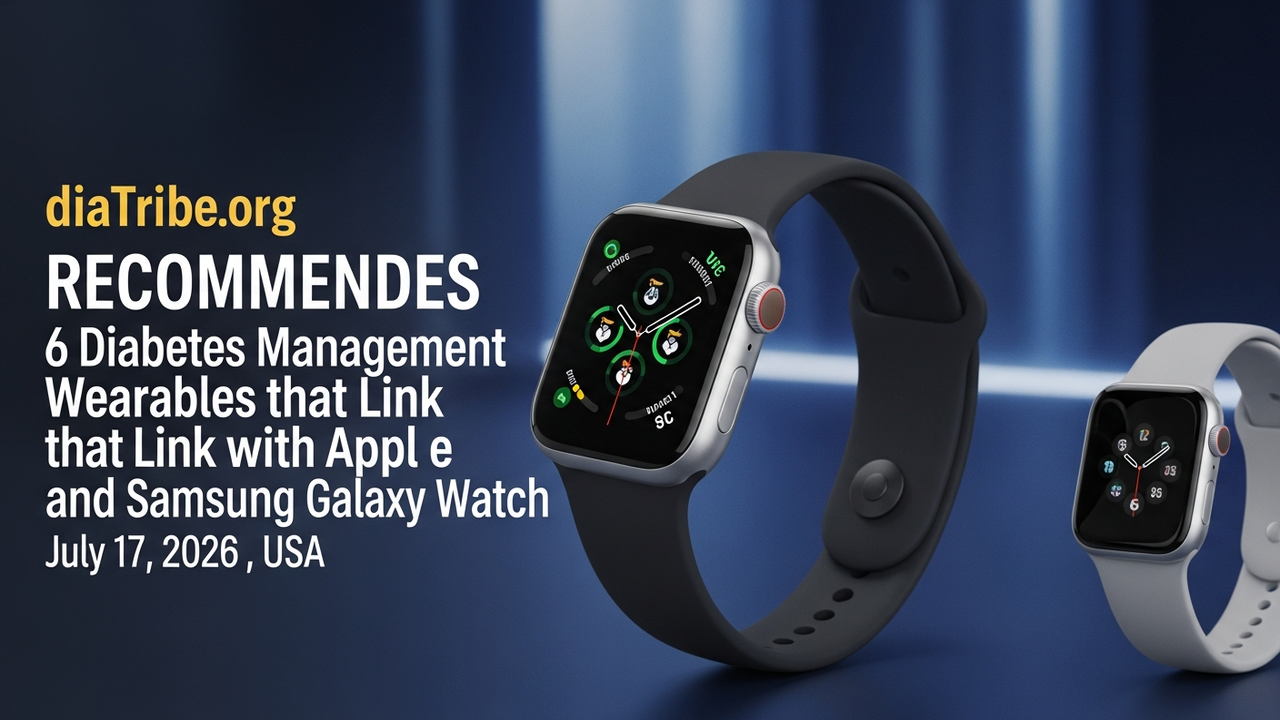
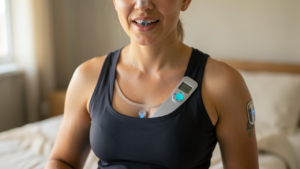
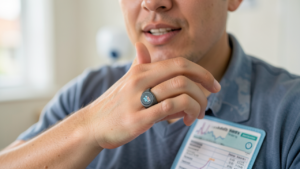
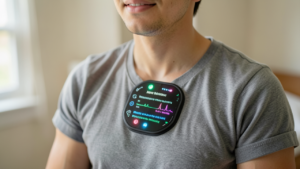
diaTribe.org, a leading diabetes information platform, has released its top six wearable devices poised to significantly improve diabetes self-management. The list features prominent smartwatches such as the Apple Watch, Samsung Galaxy Watch, Google Pixel Watch, and Garmin Watch, all designed to seamlessly integrate with Continuous Glucose Monitoring (CGM) systems like Dexcom and Abbott Libre. Beyond real-time glucose display, these devices offer multi-faceted health data crucial for diabetes management, including physical activity levels, sleep quality, and stress metrics.
Technical and Clinical Details
These wearable devices receive glucose data directly from CGM sensors via technologies like Bluetooth, displaying readings on the smartwatch screen, allowing users to check their blood sugar instantly without needing to retrieve their smartphone. Furthermore, equipped with accelerometers, heart rate sensors, and blood oxygen sensors, they continuously measure users’ exercise volume, calorie expenditure, heart rate, sleep cycles, and stress indicators. This aggregated data is centrally managed within dedicated applications, visualizing correlations between individual lifestyle habits and glucose fluctuations. For example, users can observe in real-time how specific meals or exercise impact their glucose levels, aiding in the adjustment of insulin dosages or dietary plans. Some advanced models also incorporate AI-powered personalized advice features.
Background and Industry Context
Diabetes, a chronic condition, demands rigorous daily self-management to prevent progression and complications. However, traditional finger-prick blood glucose testing is often inconvenient, leading to poor adherence. The convergence of CGM technology and smartwatch capabilities offers a powerful solution to this challenge. Patients can maintain higher motivation for self-management, while healthcare providers can formulate more precise treatment plans based on comprehensive daily data. This technological synergy is expected to significantly enhance the quality of life for diabetes patients and reduce healthcare expenditures. The wearable technology market is expanding rapidly, with medical applications becoming a key growth driver.
Strategic Significance and Outlook
In the future, these wearable devices are anticipated to evolve further, potentially enabling non-invasive measurement of additional biomarkers beyond glucose, such as ketone bodies or lactate. Improvements in AI and machine learning accuracy may lead to highly personalized health predictions and interventions based on individual lifestyle and genetic information. As data sharing between patients, physicians, and healthcare institutions becomes more streamlined, the role of wearables in telemedicine and preventive care will grow even more critical. Ultimately, these devices are poised to become indispensable tools not only for diabetes patients but also for the broader population seeking proactive health improvement.
Source: https://diatribe.org/diabetes-technology/6-wearables-better-diabetes-management
Get our weekly technology intelligence — free
Receive an infographic that lets you judge at a glance whether each field’s analysis report is worth reading.
Subscribe Free — Weekly Tech Intelligence
By subscribing, you’ll receive Troy-Technical’s weekly technology intelligence newsletter.
- Your email and selected fields are used only to deliver the newsletter.
- We never share your information with third parties.
- You can unsubscribe anytime via the link in each email.
See our Privacy Policy for details.
Takes about a minute · Unsubscribe anytime



Comments