
Key Findings
Researchers at Iowa State University have unveiled a graphene-based microfluidic biosensor platform designed for rapid and low-cost on-site quantification of pesticide contamination in agricultural and urban aquatic environments. This innovative disposable sensor demonstrates the capability to simultaneously detect multiple classes of pesticides, including organophosphates, neonicotinoids, and herbicides, at sub-ppb levels (below 0.1 µg/L) from a single water sample. This represents a significant reduction in detection time and cost compared to conventional laboratory-based analytical methods.
Technical and Clinical Details
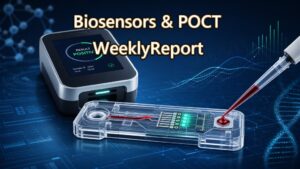
The platform integrates electrochemical sensors, leveraging graphene’s high conductivity and surface area, within microfluidic channels. Water samples flow through these channels, interacting with biorecognition molecules, such as enzymes or antibodies, immobilized on the sensor surface. The presence of pesticides triggers a biochemical reaction that is translated into a quantifiable electrical signal, directly proportional to the pesticide concentration. This process is remarkably fast, yielding results within minutes. The data acquired is then analyzed by AI algorithms and presented via a user-friendly smartphone application, making the technology accessible to field personnel without specialized expertise.
Background and Industry Context
Pesticide contamination of water bodies is a pressing global environmental concern, posing risks to ecosystems, drinking water safety, and public health. Traditional pesticide analysis predominantly relies on laboratory-based methods, which are costly, time-consuming, and require specialized equipment, making widespread real-time monitoring impractical. This new biosensor platform addresses this critical gap, offering a viable solution for extensive and continuous monitoring, particularly in contexts such as agricultural runoff and urban stormwater discharge. Its low-cost nature also makes it highly relevant for enhancing water quality monitoring capabilities in developing regions.
Strategic Significance and Outlook
This graphene biosensor platform holds immense potential to contribute to more effective water resource management and environmental protection strategies through rapid pesticide contamination assessment. The research team aims to further enhance the technology to detect a broader range of pollutants and improve the sensor’s durability and long-term stability. Furthermore, by deepening its integration with AI and IoT technologies, the platform could form the backbone of wide-area water quality monitoring networks, enabling real-time environmental risk prediction and early warning systems. This will establish it as a powerful tool for minimizing future environmental damage caused by pesticide pollution.
Get our weekly technology intelligence — free
Receive an infographic that lets you judge at a glance whether each field’s analysis report is worth reading.
Subscribe Free — Weekly Tech Intelligence
By subscribing, you’ll receive Troy-Technical’s weekly technology intelligence newsletter.
- Your email and selected fields are used only to deliver the newsletter.
- We never share your information with third parties.
- You can unsubscribe anytime via the link in each email.
See our Privacy Policy for details.
Takes about a minute · Unsubscribe anytime






Comments