
Key Findings
The rapid clinical success and expanding pipeline of siRNA therapeutics for cardiometabolic diseases necessitate a dramatic scale-up in oligonucleotide active pharmaceutical ingredient (API) manufacturing capabilities. Hongene Biotech highlights that existing manufacturing models are inadequate to meet this escalating demand, urging for concerted advancements in manufacturing technologies, supply chain infrastructure, and substantial investments in global production capacity. This addresses a critical bottleneck for the broader adoption of RNA medicines.
Technical and Manufacturing Details
siRNA (small interfering RNA) drugs, due to their potent and specific gene-silencing capabilities, are gaining significant traction across various therapeutic areas. Particularly, siRNA agents for cardiometabolic diseases, such as the cholesterol-reducing drug inclisiran and the hypertriglyceridemia treatment plozasiran, have achieved clinical success, demonstrating high efficacy and long-term dosing advantages. These drugs offer improved patient adherence due to their infrequent administration schedules, often requiring injections only every few months.
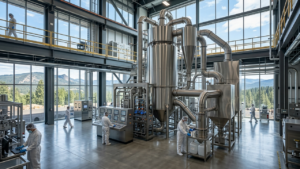
However, the burgeoning demand for these therapeutics poses unprecedented challenges for oligonucleotide manufacturing. Oligonucleotide synthesis is typically a multi-step chemical process requiring high precision to produce large quantities of high-purity API efficiently. Traditional manufacturing paradigms were designed for low-volume, high-value research reagents or orphan drugs, not for the large-scale commercial production required for prevalent diseases like cardiometabolic disorders.
Consequently, there is an urgent need for process optimization (e.g., more efficient synthesis routes, automation), diversification of raw material sourcing, strengthening of the supply chain, and the construction of new large-scale manufacturing facilities. Stringent quality control and compliance with diverse international regulatory requirements are also paramount for establishing a robust global supply network.
Background and Industry Context
Cardiometabolic diseases represent some of the most common chronic conditions globally, affecting vast patient populations. siRNA therapeutics offer groundbreaking potential to address patients for whom conventional treatments are insufficient or challenging. The sheer size of this market and the high unmet medical need are driving pharmaceutical companies to rapidly expand their manufacturing capacities. The CDMO (Contract Development and Manufacturing Organization) industry is also responding by accelerating investments in oligonucleotide manufacturing technologies to meet this demand.
Strategic Significance and Outlook
The successful scale-up of oligonucleotide manufacturing is crucial not only for the widespread adoption of siRNA in cardiometabolic disease treatment but also for the future of RNA therapeutics across all indications, including genetic disorders, infectious diseases, and cancer. Achieving cost-effective and efficient large-scale production will broaden patient access to these innovative therapies. Continued international collaboration and sustained investment in advanced manufacturing technologies will be key to unlocking the full potential of RNA medicines and making a significant impact on global public health.
Get our weekly technology intelligence — free
Receive an infographic that lets you judge at a glance whether each field’s analysis report is worth reading.
Subscribe Free — Weekly Tech Intelligence
By subscribing, you’ll receive Troy-Technical’s weekly technology intelligence newsletter.
- Your email and selected fields are used only to deliver the newsletter.
- We never share your information with third parties.
- You can unsubscribe anytime via the link in each email.
See our Privacy Policy for details.
Takes about a minute · Unsubscribe anytime








Comments