Key Findings
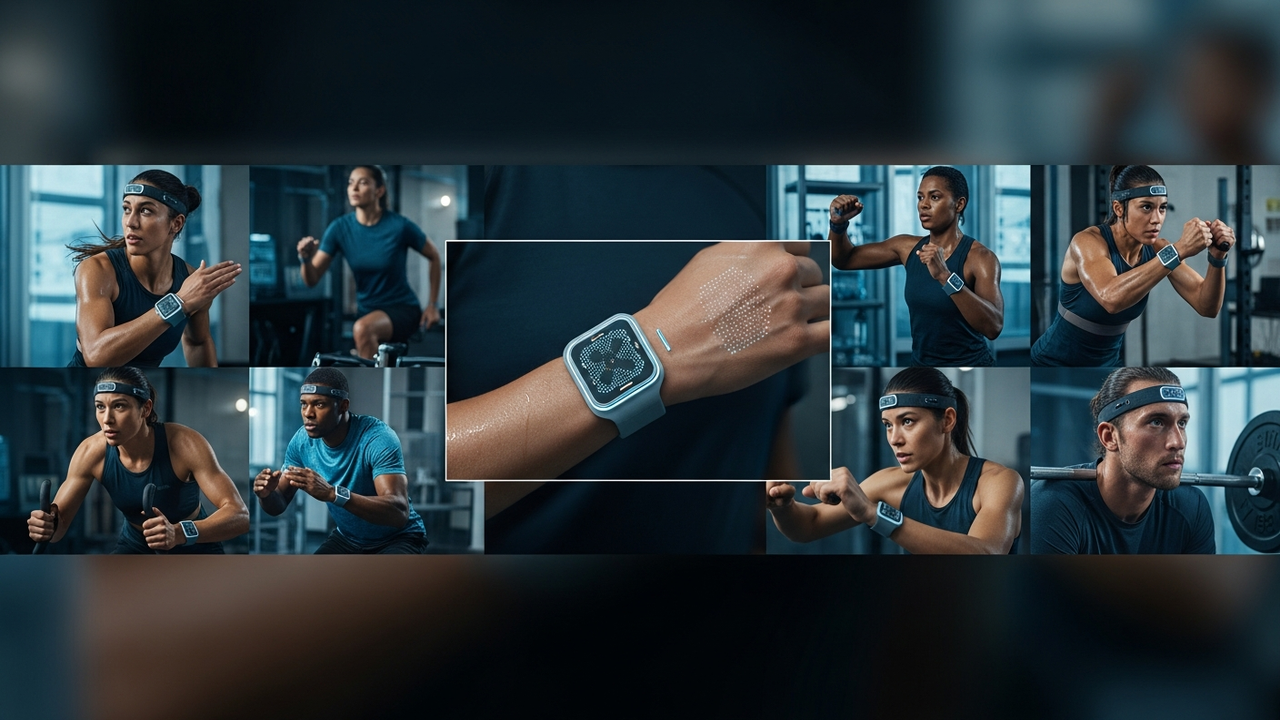
Sports nutrition brand STYRKR has highlighted wearable sweat sensors, such as Flowbio and HDrop, that contribute to improved athletic performance by tracking sweat rate and sodium loss in real-time. These devices leverage microfluidic channel technology to analyze sweat composition, allowing users to build personalized sweat profiles via dedicated applications. This provides athletes with invaluable insights to optimize their hydration and electrolyte replenishment strategies.
Technical and Clinical Details
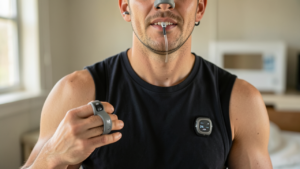
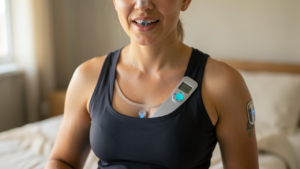
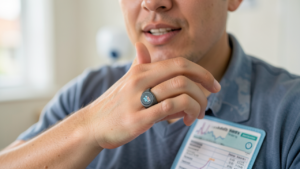
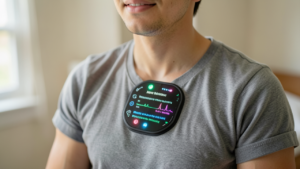
Wearable sweat sensors like Flowbio and HDrop are compact devices worn directly on the skin. They utilize microfluidic technology to collect sweat, accurately measure its flow rate, and analyze the concentration of key electrolytes, such as sodium, in real-time. The data obtained is synced to a smartphone app, typically via Bluetooth, allowing users to visually track their sweat volume, sodium loss, and trends during exercise. This capability enables athletes in endurance sports like marathons or triathlons to formulate appropriate hydration and electrolyte replenishment plans, thereby reducing the risk of dehydration and electrolyte imbalances that can impair performance. In clinical settings, pilocarpine iontophoresis is cited as the gold standard for accurate sodium concentration measurement in sweat, underscoring the reliability of data provided by such technologies.
Background and Industry Context
For athletes, maintaining proper hydration and electrolyte balance during exercise is a critical factor directly impacting performance. Traditional hydration strategies have often been based on general recommendations or relied on body weight changes, failing to accurately reflect individual sweat characteristics and electrolyte loss. The advent of wearable sweat sensors addresses this limitation, enabling athletes to personalize their hydration strategies based on their specific physiological needs. This fosters a scientific approach to training and recovery, opening new frontiers in sports science. The convergence of digital health and sports technology is expected to continue driving this market trend.
Strategic Significance and Outlook
Wearable sweat sensor technology is expected to evolve further, enabling simultaneous real-time measurement of a wider array of biomarkers beyond sodium, including other electrolytes (potassium, magnesium), glucose, lactate, and cortisol. The integration of AI and machine learning will provide more advanced predictive analytics and personalized recovery strategies based on individual physiological data, training load, and environmental conditions. In the future, these devices could see widespread adoption not only among athletes but also among workers at high risk of heatstroke and individuals with specific medical conditions (e.g., cystic fibrosis) for health management. This is anticipated to make significant contributions to both optimizing individual performance and improving public health.
Get our weekly technology intelligence — free
Receive an infographic that lets you judge at a glance whether each field’s analysis report is worth reading.
Subscribe Free — Weekly Tech Intelligence
By subscribing, you’ll receive Troy-Technical’s weekly technology intelligence newsletter.
- Your email and selected fields are used only to deliver the newsletter.
- We never share your information with third parties.
- You can unsubscribe anytime via the link in each email.
See our Privacy Policy for details.
Takes about a minute · Unsubscribe anytime


Comments