Key Findings
Lipid nanoparticles (LNPs) are nanoscale delivery systems, typically ranging from tens to hundreds of nanometers, engineered to protect and efficiently deliver nucleic acids such as mRNA and siRNA into target cells, as widely demonstrated by the success of mRNA vaccines. LNPs play a crucial role in the stable encapsulation of nucleic acids, their protection from degradation in biological environments, and their efficient cellular uptake and reliable intracellular delivery.
Technical / Clinical Details
The functionality of LNPs is deeply dependent on their precisely engineered components, which include:
- Ionizable Lipids: Essential for high nucleic acid encapsulation efficiency and subsequent endosomal escape after cellular uptake. These lipids become positively charged in acidic environments, strongly interacting with nucleic acids to form complexes.
- Phospholipids: Contribute to the structural integrity of the LNP and its membrane-fusion properties, facilitating interaction with cellular membranes.
- Cholesterol: Enhances LNP stability and rigidity, helping to prevent degradation in vivo.
- PEGylated Lipids: Provide a hydrophilic polyethylene glycol (PEG) layer on the LNP surface, inhibiting non-specific plasma protein adsorption and extending circulation time in the bloodstream. This allows for longer systemic circulation and improved targeting to specific tissues.
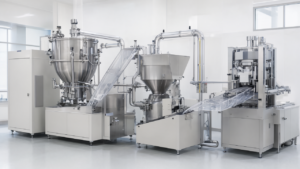
By optimizing the combination and ratio of these lipids, LNPs achieve high nucleic acid encapsulation efficiency, excellent biological stability, and effective mRNA delivery to the cytoplasm. Manufacturing methods, such as microfluidic mixing, enable the large-scale production of high-quality LNPs with uniform size distributions.
Background & Context
Nucleic acid therapeutics represent a highly promising modality, offering approaches to targets previously intractable to conventional small molecule drugs or antibody therapies, and enabling intervention at the root cause of diseases. However, challenges such as nucleic acid instability in vivo, poor cellular membrane permeability, and immunogenicity have hindered their clinical application. The emergence and evolution of LNPs have provided groundbreaking solutions to these challenges, with the success of COVID-19 mRNA vaccines significantly accelerating the practical application of nucleic acid therapeutics. This has opened new possibilities for LNP technology across broad medical fields, including gene therapy, cancer immunotherapy, and rare disease treatments.
Strategic Significance & Outlook
LNP technology is expected to continue its rapid evolution, with the development of more functional and safer nucleic acid delivery systems. Key areas of focus will include ‘targeting LNPs’ designed for specific cell or tissue delivery, technologies to further reduce LNP immunogenicity, and the development of scalable manufacturing processes for mass production. Furthermore, the integration with AI is expected to accelerate LNP design and optimization, potentially paving the way for personalized medicine. LNPs are set to remain a cornerstone technology shaping the future of nucleic acid therapeutics.
Source: https://insidetx.com/resources/reviews/complete-guide-to-understanding-lipid-nanoparticles-lnp/
Get our weekly technology intelligence — free
Receive an infographic that lets you judge at a glance whether each field’s analysis report is worth reading.
Subscribe Free — Weekly Tech Intelligence
By subscribing, you’ll receive Troy-Technical’s weekly technology intelligence newsletter.
- Your email and selected fields are used only to deliver the newsletter.
- We never share your information with third parties.
- You can unsubscribe anytime via the link in each email.
See our Privacy Policy for details.
Takes about a minute · Unsubscribe anytime