Key Findings
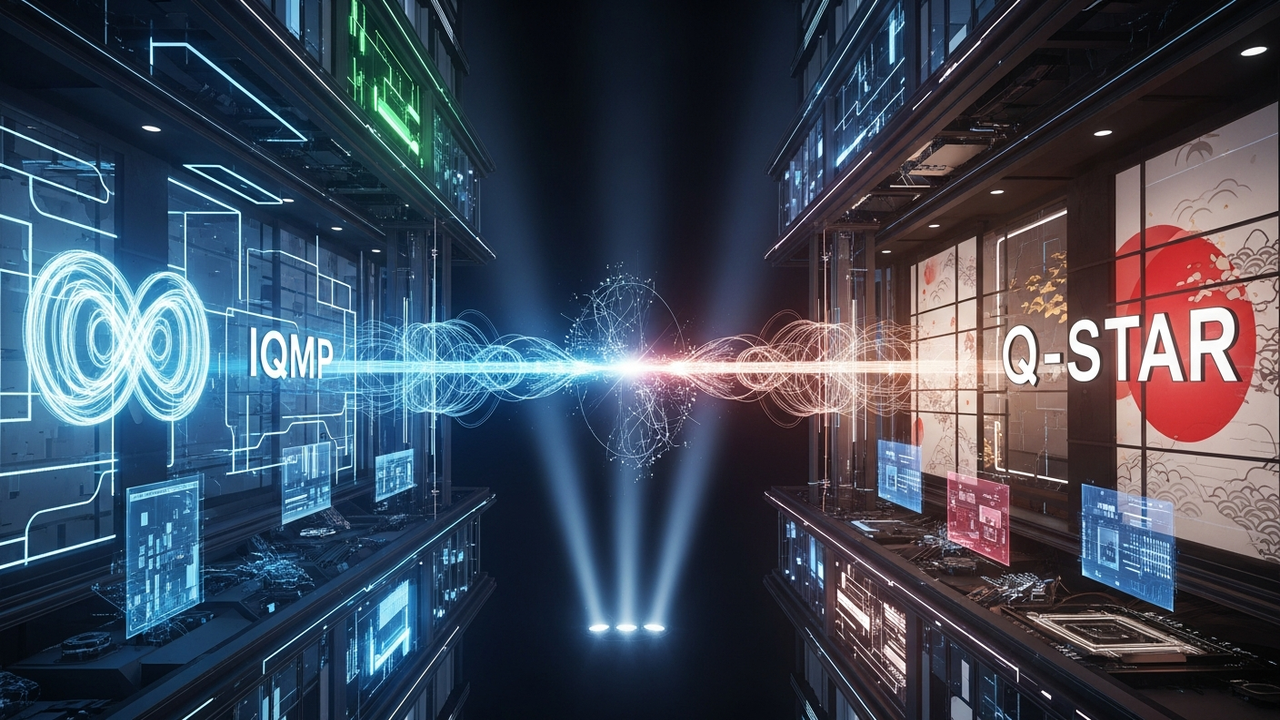
The Illinois Quantum and Microelectronics Park (IQMP) and Q-STAR, Japan’s Quantum Technology Innovation Consortium, have entered into a strategic Memorandum of Understanding (MOU). This MOU is designed to strengthen collaboration between the quantum ecosystems in Japan and Illinois, accelerate the commercialization of quantum technologies, and provide quantum startups and small-to-medium enterprises (SMEs) in both nations with enhanced access to funding, networks, and investment resources.
Technical / Clinical Details
This partnership specifically targets fostering research and development and commercialization in areas such as quantum computing, quantum sensing, and quantum communication. IQMP offers a unique platform that integrates advanced microelectronics manufacturing infrastructure with quantum research facilities, while Q-STAR represents Japan’s rich network of quantum research institutions and corporations. This collaboration is expected to generate opportunities for joint research projects, accelerating the process from quantum technology prototyping to product commercialization. Specific objectives include developing high-performance qubits, improving error correction techniques, building quantum software platforms, and strengthening the quantum industrial supply chain. This international cooperation has the potential to merge the distinct technological strengths of each country, thereby facilitating the resolution of complex technical challenges that might be intractable individually.
Background & Context
Quantum technology is globally recognized as the next frontier for national security, economic growth, and scientific discovery, attracting strategic investments worldwide. Both the United States and Japan possess unique strengths in quantum technology development, and this partnership forms part of a broader effort by both governments to promote quantum innovation and maintain global competitiveness. Illinois, home to major research institutions like Fermi National Accelerator Laboratory and Argonne National Laboratory, is a central hub in the U.S. quantum ecosystem. Similarly, Japan, with institutions such as RIKEN and the National Institute of Advanced Industrial Science and Technology (AIST), leads the world in specific areas, including silicon quantum computer development. This MOU underscores that international collaboration is indispensable for accelerating the complex and capital-intensive process of quantum technology commercialization.
Strategic Significance & Outlook
The IQMP-Q-STAR partnership heralds a new era of U.S.-Japan cooperation in quantum technology. Through this alliance, quantum communities in both countries will be able to more rapidly prototype ideas and bring them to market. Strengthening support for startups and SMEs, in particular, is crucial for enhancing the diversity and innovation capacity of the quantum ecosystem. In the future, this partnership could also contribute to establishing international standards in quantum technology and fortifying the supply chain. The practical application of quantum technologies in fields such as pharmaceutical development, materials science, finance, and defense is expected to accelerate, creating new growth opportunities for both economies. This international collaborative model is poised to be a key to success in the global quantum race.
Get our weekly technology intelligence — free
Receive an infographic that lets you judge at a glance whether each field’s analysis report is worth reading.
Subscribe Free — Weekly Tech Intelligence
By subscribing, you’ll receive Troy-Technical’s weekly technology intelligence newsletter.
- Your email and selected fields are used only to deliver the newsletter.
- We never share your information with third parties.
- You can unsubscribe anytime via the link in each email.
See our Privacy Policy for details.
Takes about a minute · Unsubscribe anytime