Key Findings
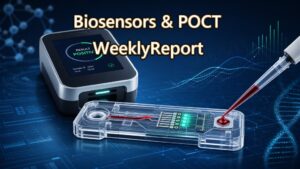
Biotechnology Conferences has announced a concentrated series of international conferences, events, seminars, and workshops in 2026, centered on the fields of biosensors, bioimaging, and bioinstrumentation. These events are designed to underscore the indispensable role of these technologies in medical diagnostics, environmental monitoring, food safety, and the non-invasive visualization of cellular and molecular processes. The primary objective is to explore the latest breakthroughs and future directions that are driving improvements in diagnostic precision and advancing real-time biological monitoring, thereby shaping the future of next-generation healthcare and scientific research.
Technical / Clinical Details
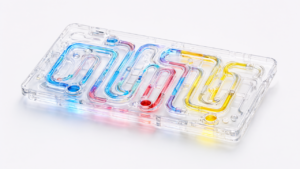
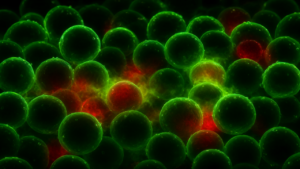
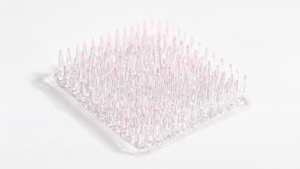
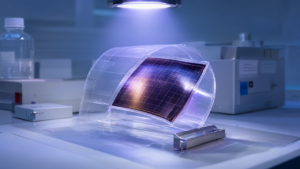
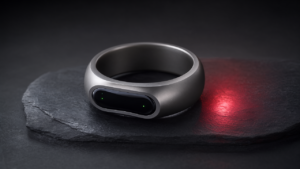
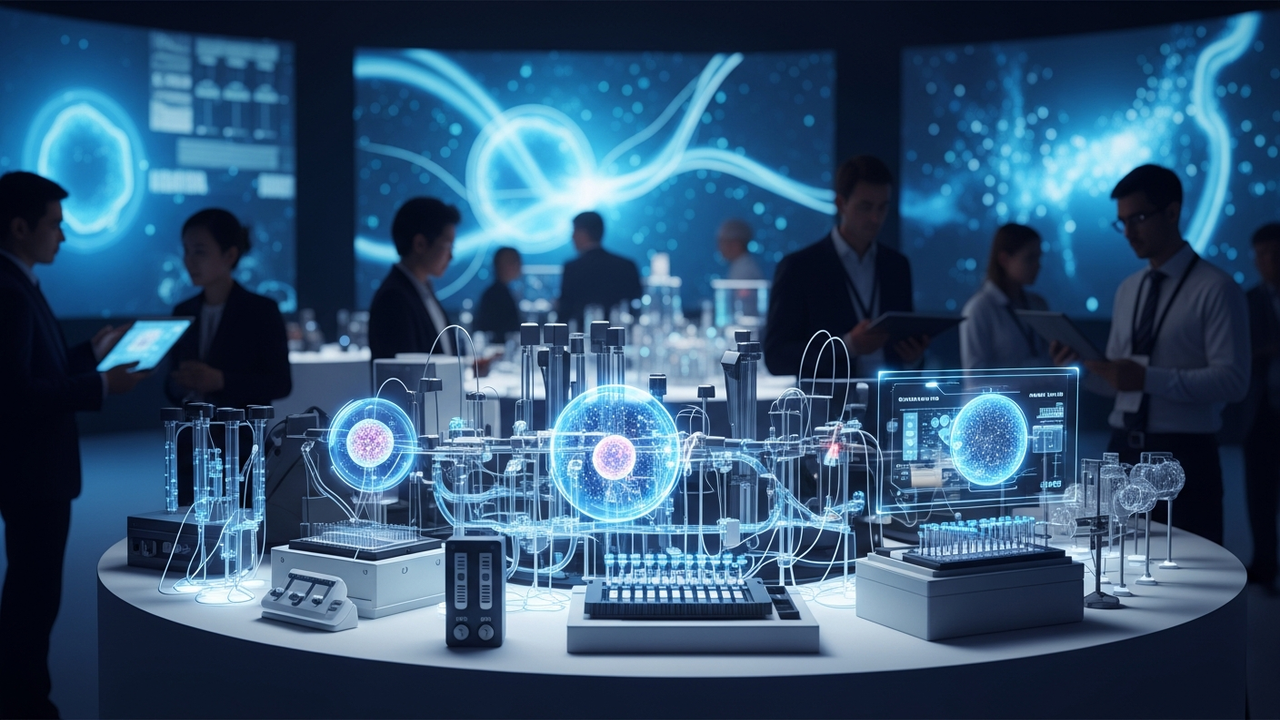
Biosensors are devices that detect specific biological molecules and convert their presence into measurable signals, with applications ranging from glucose monitoring to pathogen detection and environmental pollutant surveillance. Bioimaging technologies visualize biological processes at the cellular, tissue, and organ levels, aiding in understanding disease mechanisms and evaluating therapeutic efficacy; this includes techniques like fluorescence imaging, MRI, and PET scans. Bioinstrumentation refers to the tools and methods used to collect and quantify physical, chemical, and electrical data from biological systems. The integration of these technologies enables sophisticated diagnostic and monitoring systems—for instance, continuously acquiring physiological data via wearable sensors, visualizing pathological sites through AI-enhanced bioimaging, and quantitatively assessing disease progression with bioinstrumentation. The events will feature discussions on how cutting-edge techniques such as nanotechnology, microfluidics, AI/machine learning, photoacoustics, and single-cell analysis are being integrated into these three domains to enhance their performance.
Background & Context
The contemporary life sciences and healthcare sectors are driven by an increasing need for earlier and more accurate diagnoses, personalized treatments, and proactive health management. Biosensors, bioimaging, and bioinstrumentation are foundational technologies addressing these needs, with a particular emphasis on real-time data acquisition and analysis. The global biosensor market is expanding rapidly; for example, the wearable biosensor market is projected to grow from $31.6 billion in 2024 to $66.2 billion by 2034. Advances in these technologies have the potential to shift the paradigm of disease diagnosis from traditional ‘post-symptomatic diagnosis’ to ‘early intervention upon signs of onset.’ These international events serve as critical forums where academic researchers, clinicians, pharmaceutical companies, medical device manufacturers, and government agencies convene to share knowledge and explore new collaborative and commercial opportunities.
Strategic Significance & Outlook
These concentrated events in 2026 are crucially important for outlining the roadmap for biosensor, bioimaging, and bioinstrumentation technologies in the coming years. The innovative approaches discussed will not only enhance diagnostic accuracy and speed, and accelerate the progress of personalized medicine, but also streamline drug discovery processes and offer novel solutions for environmental protection and food safety. Especially with the integration of AI, these technologies will become even smarter, improving their ability to extract clinically meaningful information from vast amounts of biological data. This is expected to significantly contribute to improving patient prognoses, reducing healthcare costs, and realizing a more sustainable society. These events are poised to act as catalysts for future technological innovation and scientific discovery.
Get our weekly technology intelligence — free
Receive an infographic that lets you judge at a glance whether each field’s analysis report is worth reading.
Subscribe Free — Weekly Tech Intelligence
By subscribing, you’ll receive Troy-Technical’s weekly technology intelligence newsletter.
- Your email and selected fields are used only to deliver the newsletter.
- We never share your information with third parties.
- You can unsubscribe anytime via the link in each email.
See our Privacy Policy for details.
Takes about a minute · Unsubscribe anytime