Key Findings
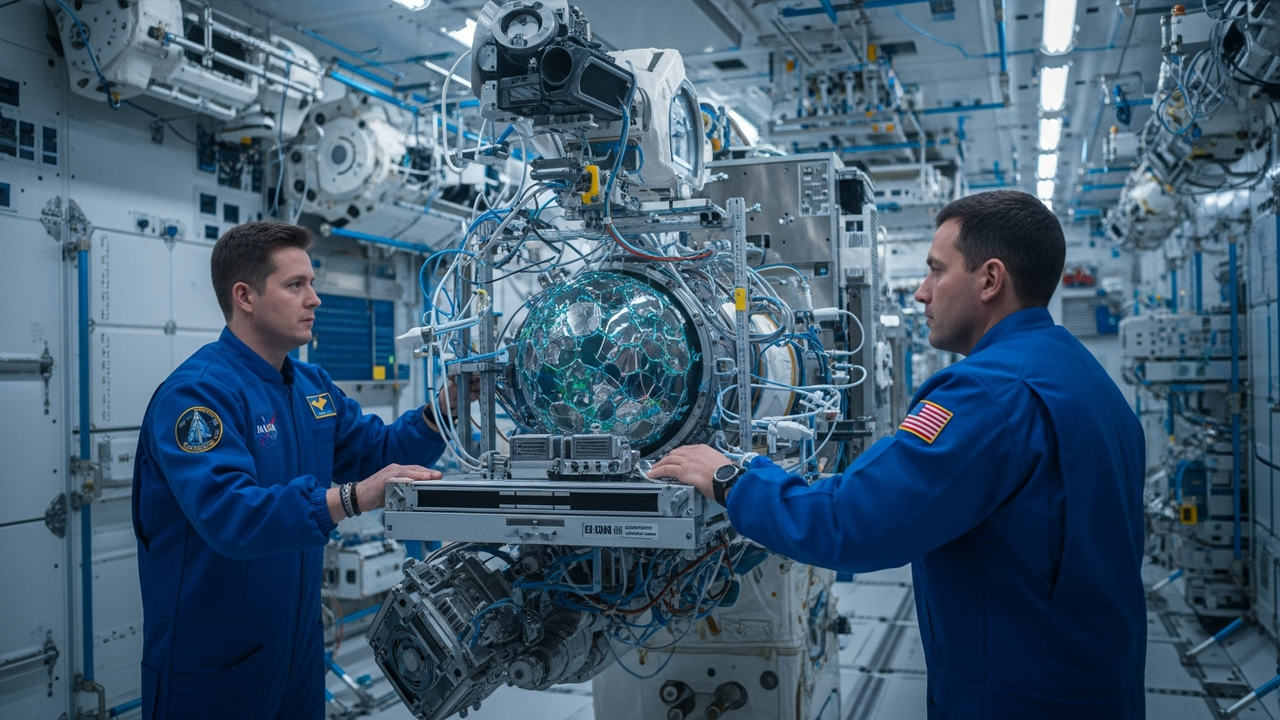
NASA astronaut Chris Williams has successfully concluded his mission aboard the International Space Station (ISS), reporting significant advancements in microgravity protein and semiconductor crystal growth. Notably, protein crystals grown in space demonstrated exceptionally higher quality and uniformity than those produced on Earth, potentially unlocking new pathways in pharmaceutical research and drug development.
Technical Details
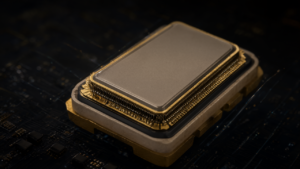
In a microgravity environment, the absence of convection and sedimentation (common issues on Earth due to gravity) allows for the formation of more perfect crystal structures. For protein crystallization, this enables more precise analysis of molecular structures for drugs, including cancer therapeutics, leading to a deeper understanding of target binding mechanisms. In semiconductor research, this fosters the development of higher-quality, defect-free, homogeneous materials crucial for advanced computing and artificial intelligence (AI) systems. These technologies are poised to revolutionize not only future space industries but also terrestrial medicine and electronics.
Background & Context
The International Space Station serves as a unique platform for scientific research leveraging microgravity. Protein crystallization is a significant bottleneck in new drug development, and obtaining higher quality crystals can drastically reduce development timelines and costs. Similarly, improving semiconductor material quality is fundamental to advancing next-generation electronics. These research areas collectively expand the potential for in-space commercial manufacturing, creating new pillars for the emerging space economy.
Strategic Significance & Outlook
The data from Astronaut Williams’ mission underscores the transformative potential of microgravity. These findings are expected to significantly contribute to future deep-space medical support, such as in-space pharmaceutical production for astronauts, and accelerate the development of treatments for challenging diseases on Earth. NASA is now evaluating these successes for larger-scale in-orbit manufacturing facilities and advanced material science experiments in space, suggesting a broadening impact of space on human technological innovation.
Get our weekly technology intelligence — free
Receive an infographic that lets you judge at a glance whether each field’s analysis report is worth reading.
Subscribe Free — Weekly Tech Intelligence
By subscribing, you’ll receive Troy-Technical’s weekly technology intelligence newsletter.
- Your email and selected fields are used only to deliver the newsletter.
- We never share your information with third parties.
- You can unsubscribe anytime via the link in each email.
See our Privacy Policy for details.
Takes about a minute · Unsubscribe anytime