Key Findings
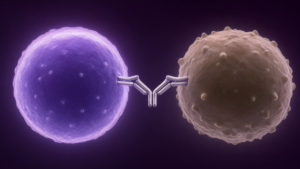
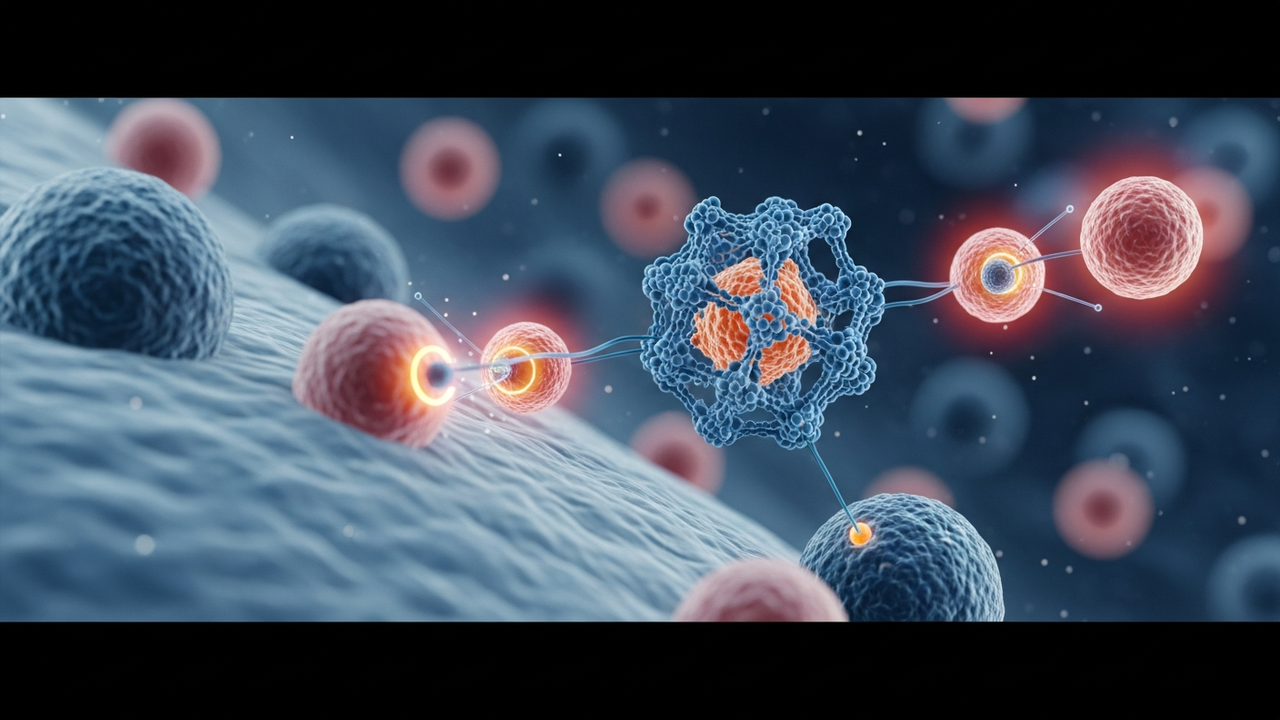
A groundbreaking study published in ACS Publications introduces a bispecific antibody-conjugated lipid nanoparticle (TbsAb-LNP) platform that enables precise, cell-specific mRNA delivery. This innovative system successfully overcomes the predominant liver accumulation observed with conventional LNPs, a long-standing challenge that has limited the broader clinical application of RNA therapeutics to extrahepatic targets. The TbsAb-LNP platform offers a controllable active targeting mechanism, significantly expanding the potential of RNA-based therapies.
Technical / Clinical Details
The TbsAb-LNP system leverages specific antibodies to guide LNPs to desired cell types, improving delivery precision. In vitro experiments showed robust CD3-specific LNP uptake in suspension cell lines. More critically, in vivo studies demonstrated mTfR1-specific LNP enrichment in various extrahepatic tissues, including splenic cells. This active targeting strategy provides a significant advantage over passive accumulation, which typically results in over 90% of LNPs being sequestered by the liver through ApoE-mediated uptake. The platform’s ability to achieve specific mRNA delivery to non-hepatic organs represents a quantitative leap in LNP design, moving beyond broad tissue tropism to programmed precise targeting. This advancement complements ongoing efforts to modulate LNP biodistribution through intrinsic lipid engineering and surface modifications.
Background & Context
Lipid nanoparticles have revolutionized vaccine development and enabled the first RNAi therapeutic, patisiran, but their inherent liver tropism has restricted their application primarily to hepatic disorders. The challenge of delivering nucleic acids to specific cells outside the liver has been a major hurdle for developing individualized RNA therapies for a wider range of diseases, including those affecting immune cells or solid tumors. Current approaches often rely on optimizing lipid compositions or chemical modifications to achieve some degree of organ selectivity, but active targeting via antibodies offers a more direct and potentially more precise solution. This research directly addresses the demand for overcoming extrahepatic delivery inefficiencies and off-target effects.
Strategic Significance & Outlook
This TbsAb-LNP platform holds immense promise for the next generation of RNA-targeted therapeutics. By enabling specific and controlled mRNA delivery to a wider array of cell types and organs, it could unlock treatments for conditions previously deemed intractable due to delivery limitations. Future developments may include tailoring the bispecific antibodies to target specific immune cells for advanced immunotherapies or delivering gene-editing components to particular tissues for correcting genetic disorders. This active targeting approach is expected to enhance therapeutic efficacy and minimize systemic toxicities, paving the way for more potent and safer RNA-based medicines.
Get our weekly technology intelligence — free
Receive an infographic that lets you judge at a glance whether each field’s analysis report is worth reading.
Subscribe Free — Weekly Tech Intelligence
By subscribing, you’ll receive Troy-Technical’s weekly technology intelligence newsletter.
- Your email and selected fields are used only to deliver the newsletter.
- We never share your information with third parties.
- You can unsubscribe anytime via the link in each email.
See our Privacy Policy for details.
Takes about a minute · Unsubscribe anytime